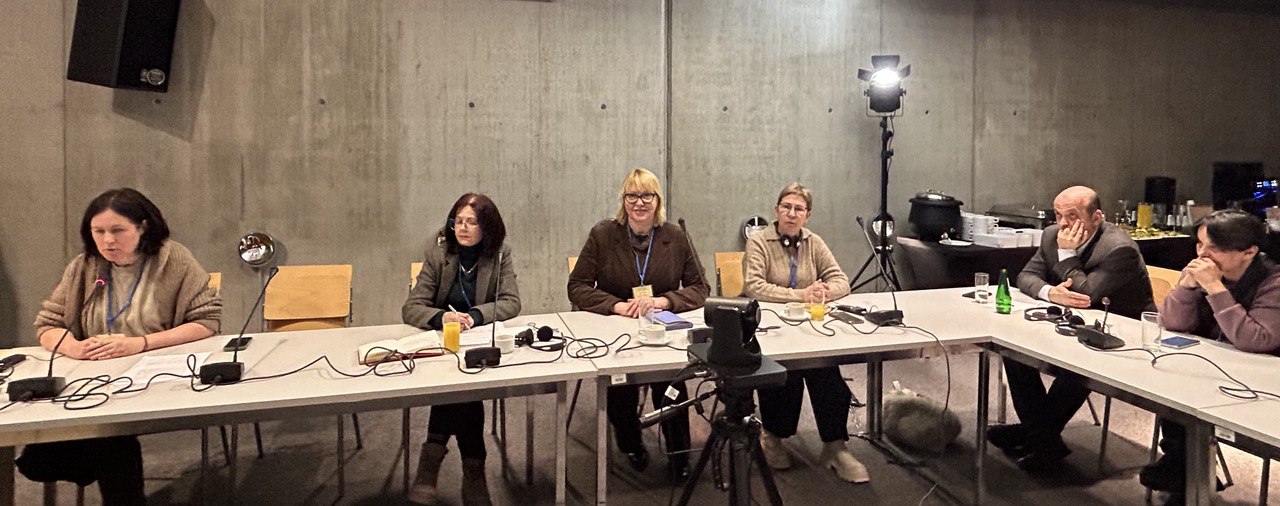
THE 8TH SCIENTIFIC SEMINAR AT THE UNIVERSITY OF WARSAW WITHIN THE FRAMEWORK OF A POLISH–UKRAINIAN PROJECT

Work continues within the framework of the joint Polish–Ukrainian project “The Impact of Types of Political Systems on the Quality of Functioning of Political Institutions: Polish and Ukrainian Experience and Prospects.” The project is being implemented with the participation of leading Polish and Ukrainian scholars, including researchers from the Department of Political Institutions and Processes of the Kuras Institute of Political and Ethnic Studies of the National Academy of Sciences of Ukraine.
The first meeting of 2026, held on 15 January at the University of Warsaw, was devoted to the functioning of the judicial system in Ukraine and Poland. A scholarly presentation entitled “Judiciary in Ukraine: The Path to a Fair Trial,” addressing the challenges and prospects of reforming Ukraine’s justice system under conditions of prolonged transformation and full-scale war, was delivered by Svitlana Brekharia, Senior Research Fellow at the Institute and PhD in Political Science.
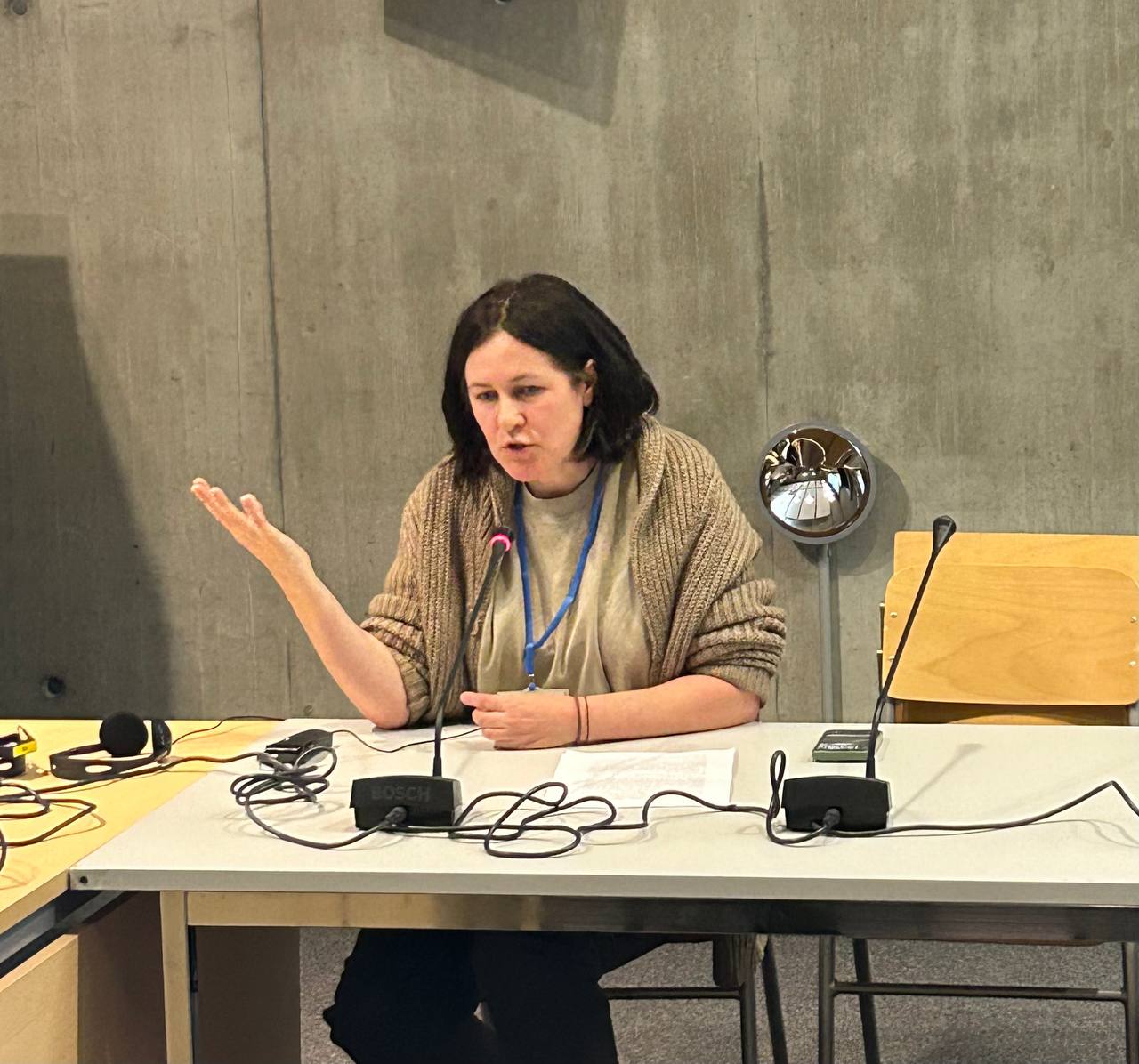
In her presentation, the researcher emphasized that, despite more than thirty years of independence, the judiciary continues to operate under significant institutional challenges shaped by the Soviet legacy, political interference, and a deficit of public trust. Particular attention was paid to the phenomenon of negative selection within the judicial and law enforcement systems and its impact on the quality of law enforcement. Svitlana Brekharia highlighted the achievements of judicial and anti-corruption reform, including the introduction of mechanisms for judicial accountability, competitive selection procedures, the restoration of the disciplinary function of the High Council of Justice, and the functioning of anti-corruption institutions—the National Anti-Corruption Bureau of Ukraine (NABU), the Specialized Anti-Corruption Prosecutor’s Office (SAPO), and the High Anti-Corruption Court.
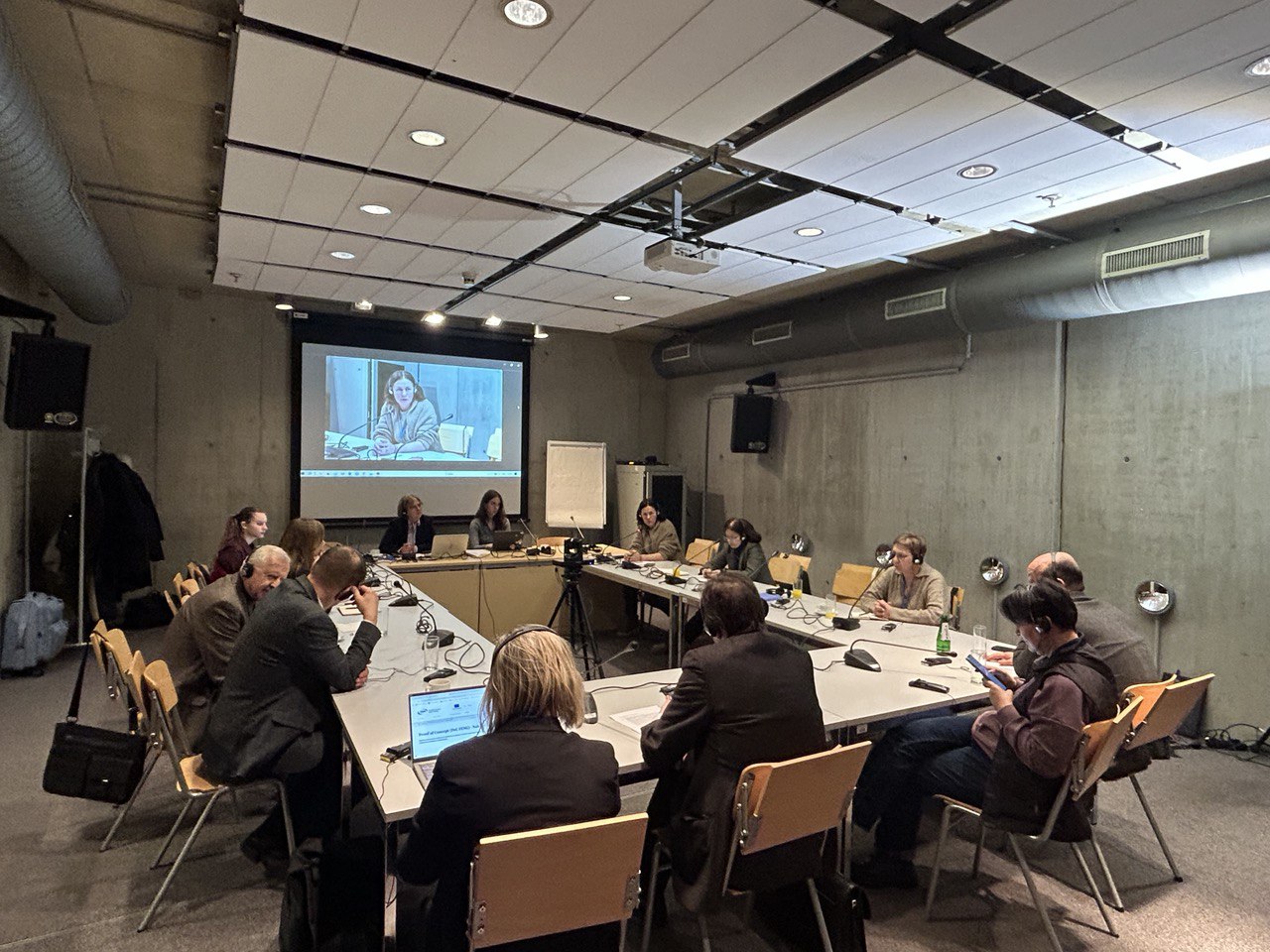
In the presentation “The Erosion of Constitutional Adjudication in Poland and Its Impact on the Protection of Constitutional Rights and Freedoms of the Individual” Professor Monika Flóczak-Wątor of the Jagiellonian University analyzed the transformation of the role of the Polish Constitutional Tribunal in the context of a constitutional crisis. Special attention was devoted to the historical role of the Constitutional Tribunal during the period of systemic transformation, the formation of the principles of a democratic state governed by the rule of law, as well as contemporary manifestations of the politicization of constitutional justice. Professor Monika Flóczak-Wątor emphasized that the erosion of the independence of the Constitutional Tribunal leads to a decline in public trust, restricts citizens’ access to effective constitutional protection, and creates risks for legal certainty.
The presentations were followed by a broad and fruitful discussion involving Ukrainian and Polish scholars, including Professor Galyna Zelenko, Deputy Director of the Kuras Institute of Political and Ethnic Studies of the NAS of Ukraine; leading research fellows Rostyslav Balaban, Nataliia Kononenko, and Tetiana Liashenko; Senior Research Fellow and Associate Professor Svitlana Sytnyk; Professor Jarosław Flis (Jagiellonian University); Professor Antoni Kamiński (Institute of Political Studies, Polish Academy of Sciences); Professor Agnieszka Dudzińska; and Professor Jacek Zalesny (University of Warsaw).