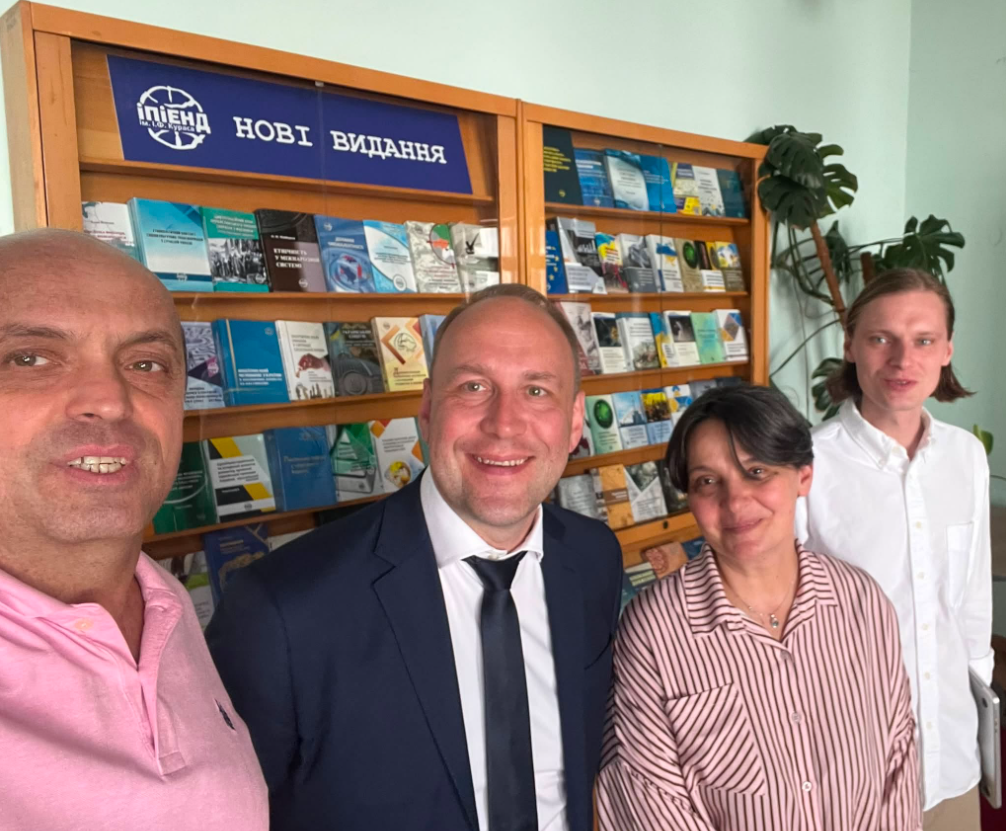
INSTITUTE REPRESENTATIVES DISCUSS PROSPECTS FOR COOPERATION WITH OECD/SIGMA AND PARTICIPATION IN THE IMPLEMENTATION OF THE PUBLIC ADMINISTRATION REFORM STRATEGY

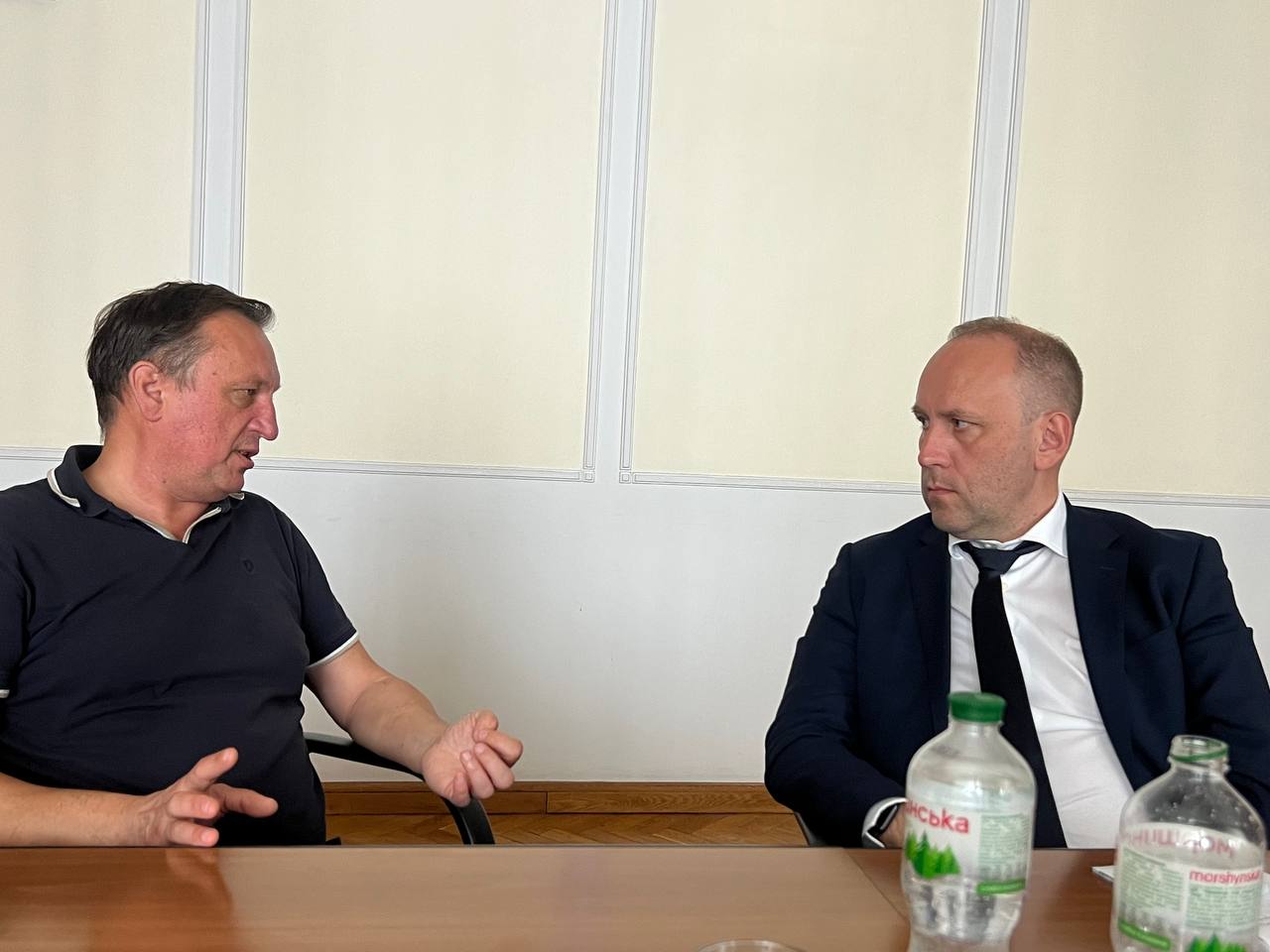
On 23 July 2026, the Kuras Institute of Political and Ethnic Studies of the National Academy of Sciences of Ukraine held a working meeting with Mārtiņš Krieviņš, Senior Policy Adviser and Head of the SIGMA Programme’s country team for Ukraine. The SIGMA Programme is implemented by the Organisation for Economic Co-operation and Development (OECD) in cooperation with the European Union.
The Institute was represented at the meeting by Scientific Secretary Vitalii Perevezii, Leading Research Fellows Nataliia Kononenko and Rostyslav Balaban, and Junior Research Fellow Ihor Symysenko.
The central focus of the meeting was establishing systematic cooperation between the Institute and OECD/SIGMA, particularly in the areas of research, evaluation, and scientific and expert support for public administration reforms in Ukraine.
Particular attention was paid to the prospects of engaging the Institute’s research capacity in the implementation of the Public Administration Reform Strategy of Ukraine for 2026–2030. The discussion focused, in particular, on opportunities to conduct independent research, provide expert assessments of reform effectiveness, analyse the institutional capacity of public authorities, and study public perceptions of and the legitimacy of reforms.
The participants also discussed the role of evidence-based approaches and empirical evaluation in the development and implementation of public policy. These issues are particularly important in the context of Ukraine’s preparations for accession to the European Union, when the quality of public administration and the capacity of state institutions are among the key factors determining the success of reforms.
During the meeting, the Institute’s research and expert capacity was presented, including its work on analysing the functioning of political and state institutions, evaluating public policy, assessing institutional capacity, and studying the societal legitimacy of public authorities. Particular attention was also paid to the potential use of scientific methods and empirical analysis tools for monitoring and evaluating reforms.
An important outcome of the meeting was the identification of areas for further cooperation, which may include joint research and expert activities, the exchange of analytical materials, participation of Institute representatives in OECD/SIGMA professional discussions and initiatives, as well as the involvement of Institute researchers in work related to the implementation and evaluation of the Public Administration Reform Strategy.
The meeting marked an important step towards expanding the Institute’s international expert cooperation and strengthening its role as a research institution capable of providing independent scientific and analytical support for public administration reforms in Ukraine. Cooperation with OECD/SIGMA creates additional opportunities for integrating Ukrainian political science into the European expert community and strengthening the practical role of academic research in the processes of state reform.