
ON ROOTS AND FORMS OF THE RUSSIAN AGGRESSION – AT THE LUBLIN FORUM
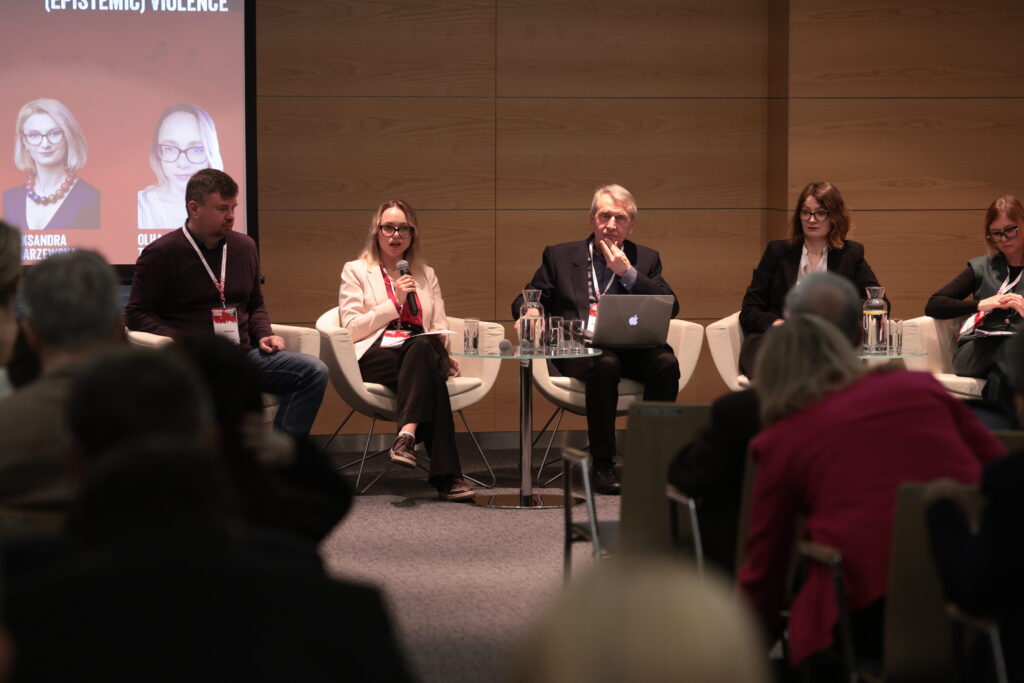
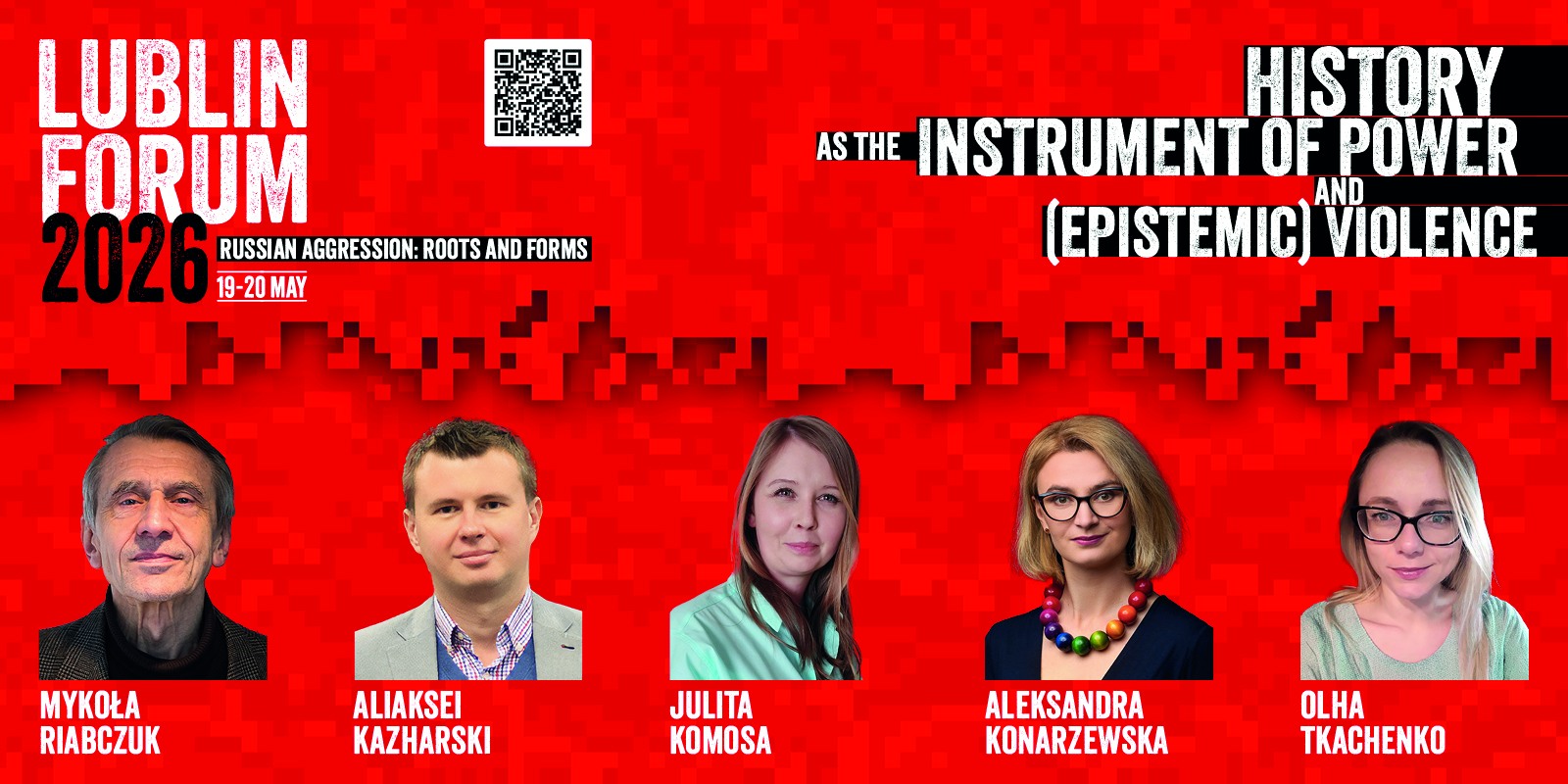
On May 19-20, Mykola Riabchuk, a principal research fellow in the Department of Political Culture and Ideology, took part in the annual international Lublin Forum, organized by the local Institute of Central Europe under the title “Russian Aggression: Roots and Forms”. On the first day, he moderated the introductory panel “History as the Instrument of Power and (Epistemic) Violence” as a follow-up to Prof. Serhii Plokhy’s keynote lecture on “The Rise and Fall of the Pan-Russian Idea”. In his initial remarks, Dr. Riabchuk averred that all the nations are prone to invent traditions and variously cherish them (fabricating a “suitable past”, in Hobsbawm’s words), but Russia is very special in this regard since it paces “invented tradition” (the faked inheritance of, and equation with, Kyivan Rus) into the core of its history and identity.
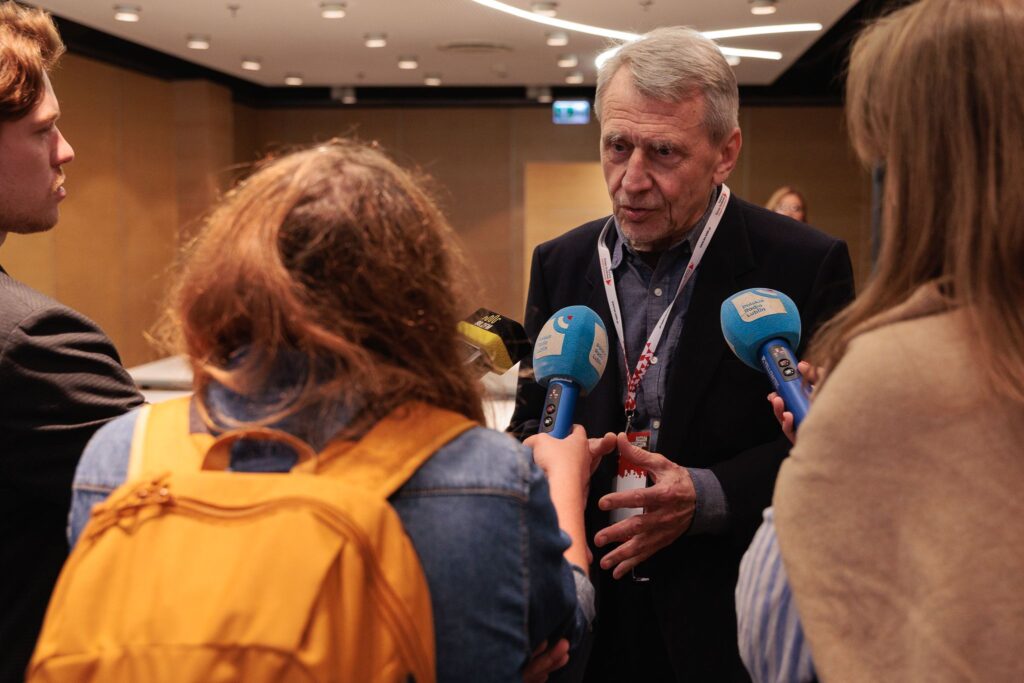
The very existence of independent Ukraine undermines Russian historical narratives epistemically and legitimizes them politically. Ukraine inflicts existential uncertainty and anxiety upon the empire, and provokes it to get rid of the irritant, eliminate uncertainty and re-establish habitual self-confidence based on historical myths and forgeries.
This is why Russian ruler Vladimir Putin is so obsessed with history, as one may notice from his quasi-historical writings and references, his one hour long “lecture” to the U.S. interviewer Tucker Carlson, or his aborted historical lecture to Trump in Alaska. No Russian leader has ever been so preoccupied with history just because there was no independent, Western-driven Ukraine, no real challenge to Russian mythical narratives, and therefore no reason for the imperial existential anxiety. Now, as Ukraine tries to fix epistemic injustice under the flag of decolonization, Russia faces the choice: either to cease to be an empire and become a “normal” nation (as late Zbigniew Brzezinski suggested), or to fight the war with Ukraine that became really existential for both sides.
The Forum Program is accessible here: https://ies.lublin.pl/aktualnosc/lublin-forum-2026-program