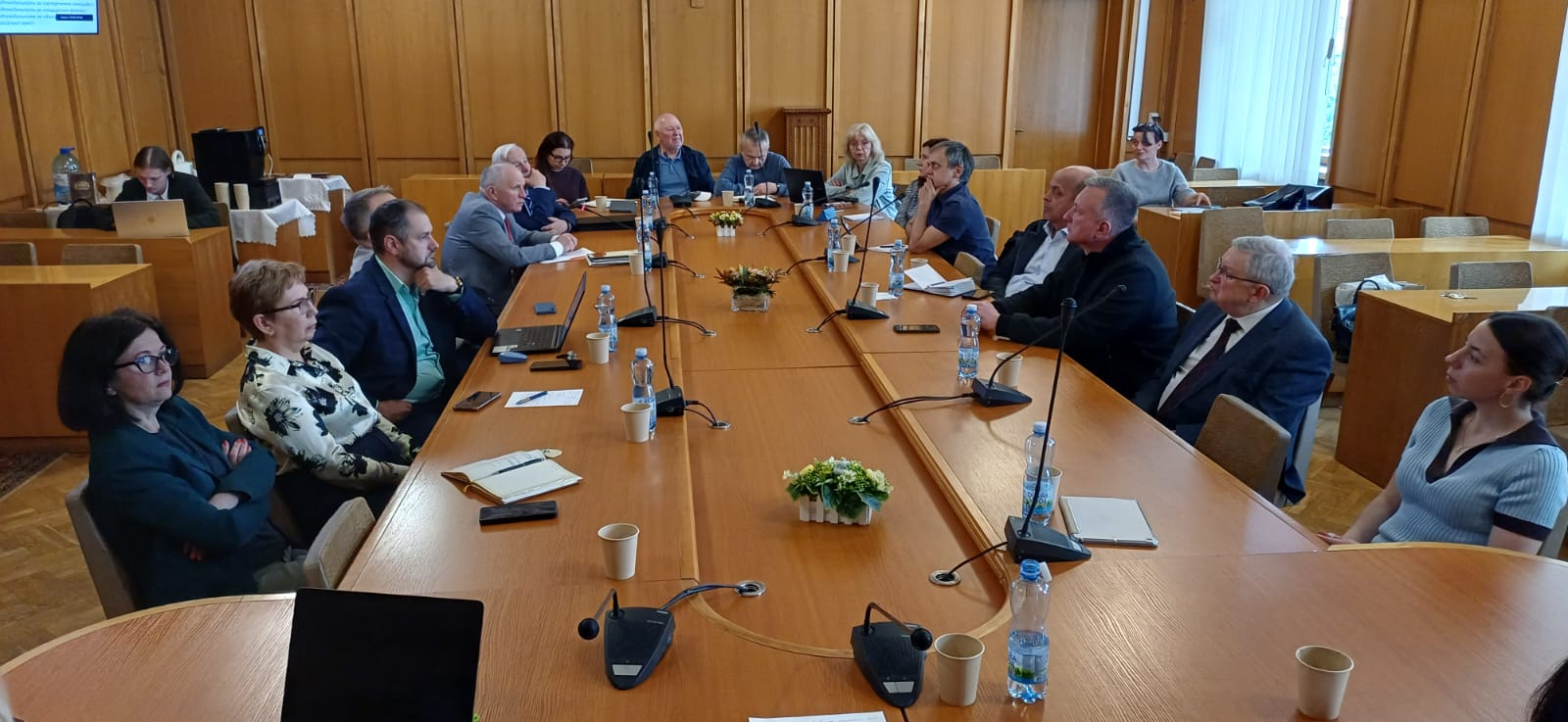
SCIENTIFIC AND METHODOLOGICAL SEMINAR “NATIONAL CONSOLIDATION: METHODS OF STUDY AND CONCEPTUAL FRAMEWORK”

On May 12, 2026, the Scientific and Methodological Seminar “National Consolidation: Methods of Study and Conceptual Framework” was held at the Kuras Institute of Political and Ethnic Studies of the National Academy of Sciences of Ukraine. The event was devoted to discussing theoretical and methodological approaches to the study of national consolidation processes in contemporary conditions.
The seminar brought together scholars, experts, and representatives of research institutions working in the fields of political science, public administration, social psychology, philosophy, and social communications. The main focus of the seminar was placed on defining the conceptual framework for the study of national consolidation, analyzing its key components, and identifying methods for assessing and monitoring the dynamics of consolidation processes in contemporary Ukrainian society.
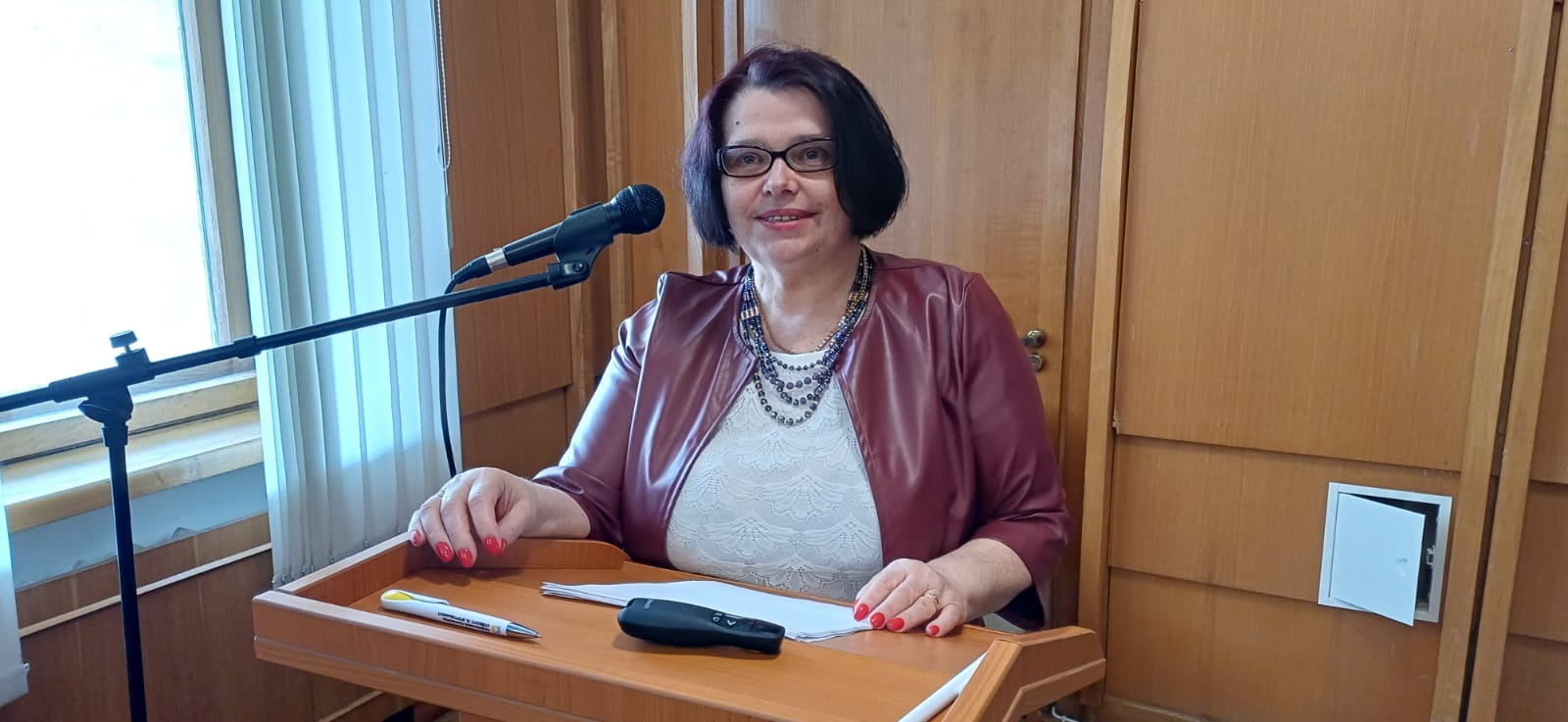
A central part of the event consisted of academic presentations delivered by the Institute’s researchers. Professor Tetiana Bevz, Chief Research Fellow of the Department of Theory and History of Political Science and Doctor of Historical Sciences, presented a report entitled “The Concept and Discourse of National Consolidation in Contemporary Political Science.” In her presentation, the researcher focused on the peculiarities of the use of the concept of “national consolidation” in contemporary political and academic discourse, outlined the main approaches to its interpretation, and emphasized the complexity of developing a universal definition of this phenomenon in the context of social transformations and war.
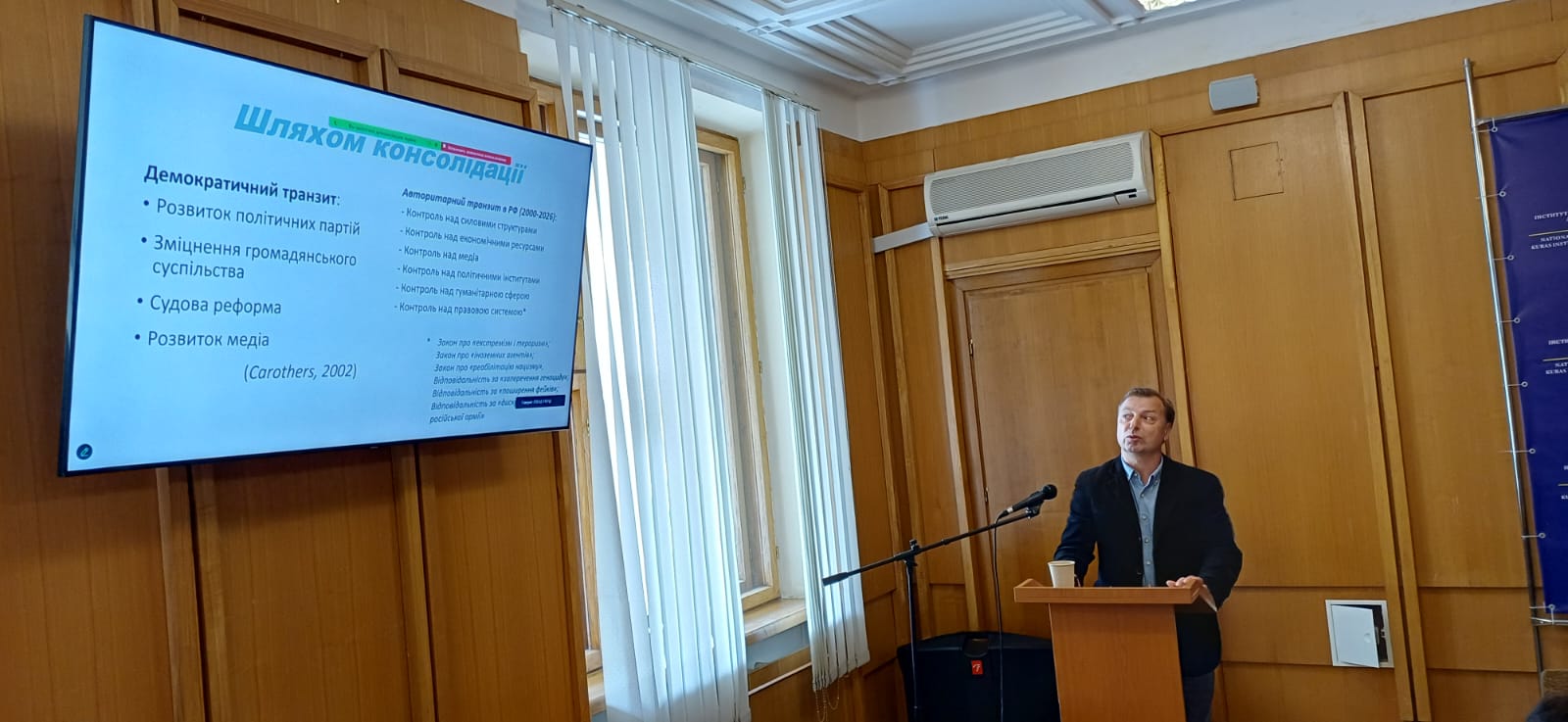
The second presentation, “Specific Features of Consolidation in Authoritarian and Democratic Regimes,” was delivered by Maksym Rozumnyi, Head of the Department of Theory and History of Political Science and Doctor of Political Sciences. The presentation addressed the differences in the mechanisms of social consolidation within democratic and authoritarian political systems, as well as the role of political institutions, public trust, and civic participation in shaping consolidation processes.
Following the presentations, a professional discussion took place during which participants exchanged views on methodological approaches to the study of national consolidation, the possibilities of applying interdisciplinary research methods, and the criteria for evaluating consolidation processes.
Invited experts participating in the discussion included: Iryna Pavlenko, Candidate of Historical Sciences and Head of the Department for Political System Development at the Center for Social Research; Yuliia Kaplan, Candidate of Political Sciences and Head of the Department of Social Communications at the National Institute for Strategic Studies; Olena Sushyi, Doctor of Sciences in Public Administration and Head of the Department of Psychology of Masses and Communities at the Institute for Social and Political Psychology of the National Academy of Educational Sciences of Ukraine; Tetiana Vasylevska, Doctor of Sciences in Public Administration and Professor at Taras Shevchenko National University of Kyiv; and Volodymyr Fadieiev, Head of the Department of Philosophical Problems of Ethnos and Nation at the H. S. Skovoroda Institute of Philosophy of the National Academy of Sciences of Ukraine.
Researchers from the Kuras Institute of Political and Ethnic Studies of the National Academy of Sciences of Ukraine also took an active part in the discussion, including Corresponding Member of the NAS of Ukraine and Professor Oleksandr Maiboroda; Professor Viktor Kotyhorenko; Professor Yurii Nikolaets; Professor Yurii Shapoval; Associate Professor Oleh Kondratenko; Nataliia Kononenko; Rostyslav Balaban; Oleksandr Palii; Mykola Horbatiuk; Alyona Hurkivska, PhD in Political Science; and other members of the Institute’s academic staff.
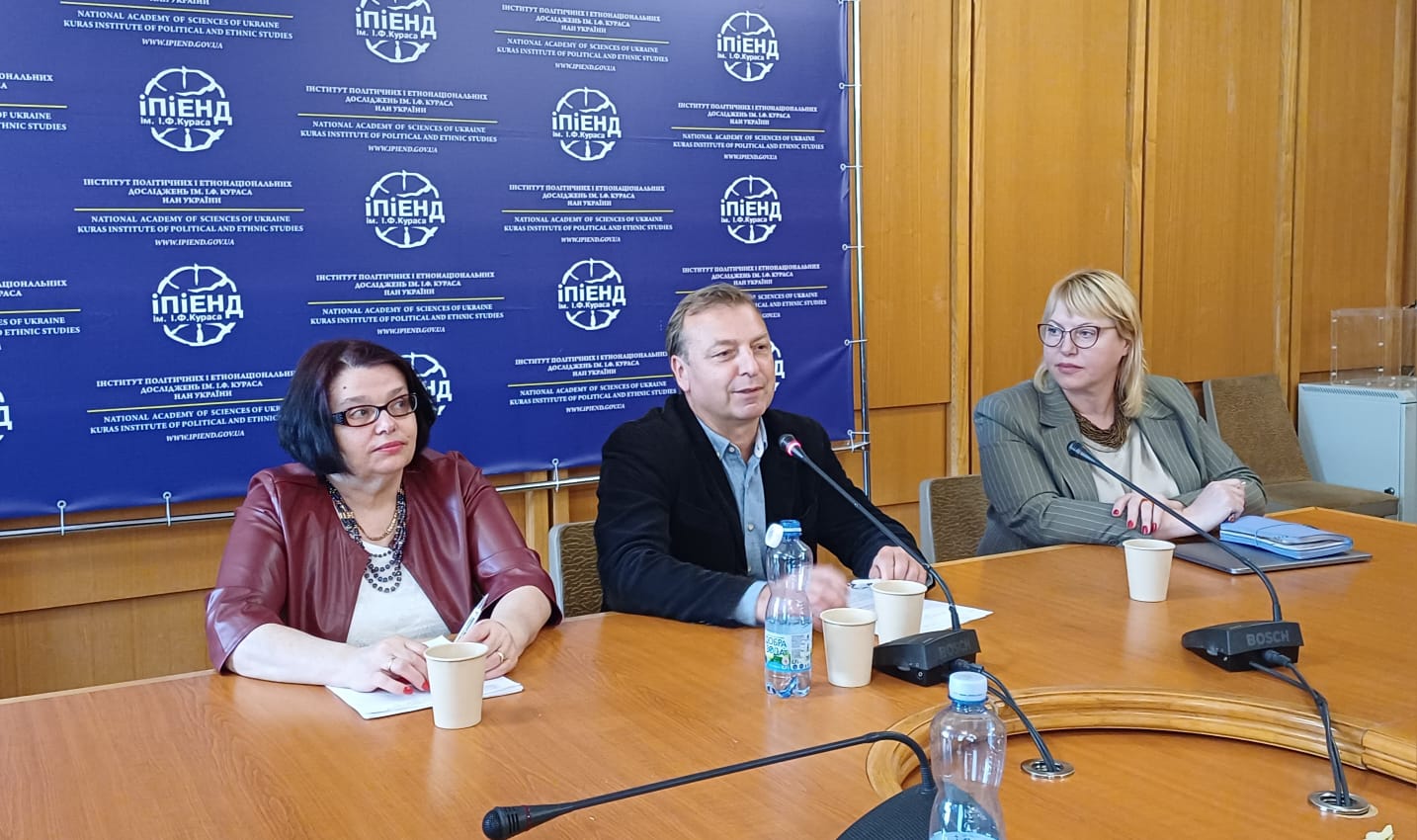
During the discussion panel, participants focused on several key issues. In particular, they discussed the problem of defining the essence of national consolidation in contemporary conditions, the correlation between political, ideological, and socio-psychological factors of consolidation processes, as well as the possibility of developing a system of criteria and indicators for assessing the level of social consolidation.
Special attention was also devoted to tracking the dynamics of consolidation processes and identifying effective research tools for their analysis. Participants emphasized the importance of combining political, sociological, psychological, and communicative approaches in the study of contemporary socio-political processes.
The seminar became a platform for professional discussion of current methodological challenges in contemporary political science and for outlining directions for further research in the field of national consolidation.