
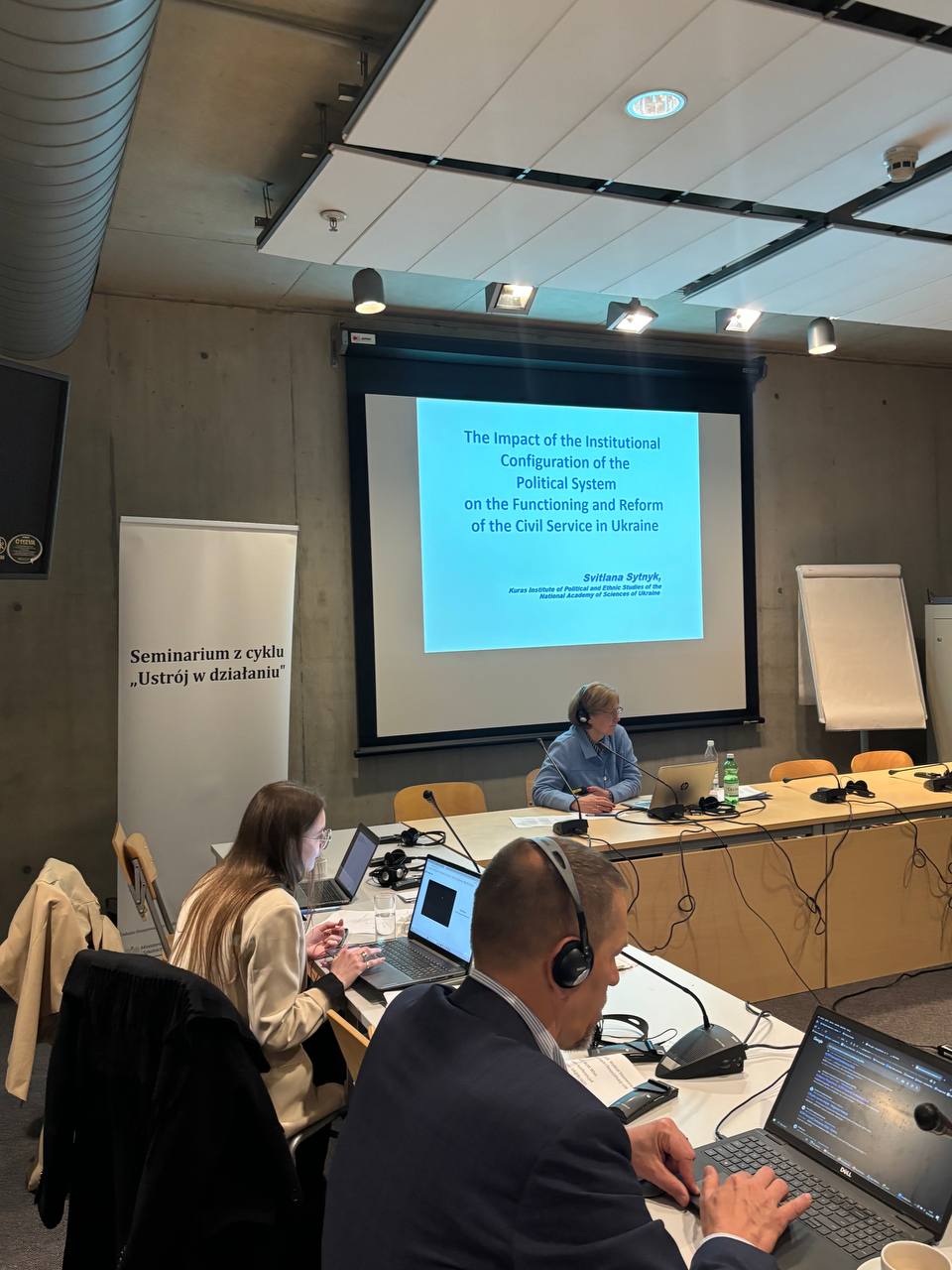
On March 5, 2026, the ninth academic seminar within the framework of the international research project “System in Action” took place at Uniwersytet Warszawski. The seminar focused on the functioning of the civil service and the relationship between public administration and the political system.
The seminar featured presentations by Svitlana Sytnyk (Kuras Institute of Political and Ethnic Studies of the National Academy of Sciences of Ukraine) and Antoni Kamiński (Polish Academy of Sciences).
In her presentation, Senior Research Fellow of the Institute Svitlana Sytnyk offered an analysis of the reforms and the current functioning of the civil service in Ukraine, emphasizing the impact of political changes on the stability of the administrative system. In particular, she discussed the consequences of the 2019 elections and the challenges faced by the civil service under wartime conditions. Among these challenges are the suspension of some competitive recruitment procedures, the mobilization of civil servants for military service, and the need to maintain the institutional capacity of the administration during martial law. During the discussion, participants stressed the importance of transparency in accountability mechanisms for public officials, particularly the system of asset declarations. It was also noted that the Ukrainian Constitution lacks clear regulation of the fundamental principles of the civil service, which may contribute to institutional instability.
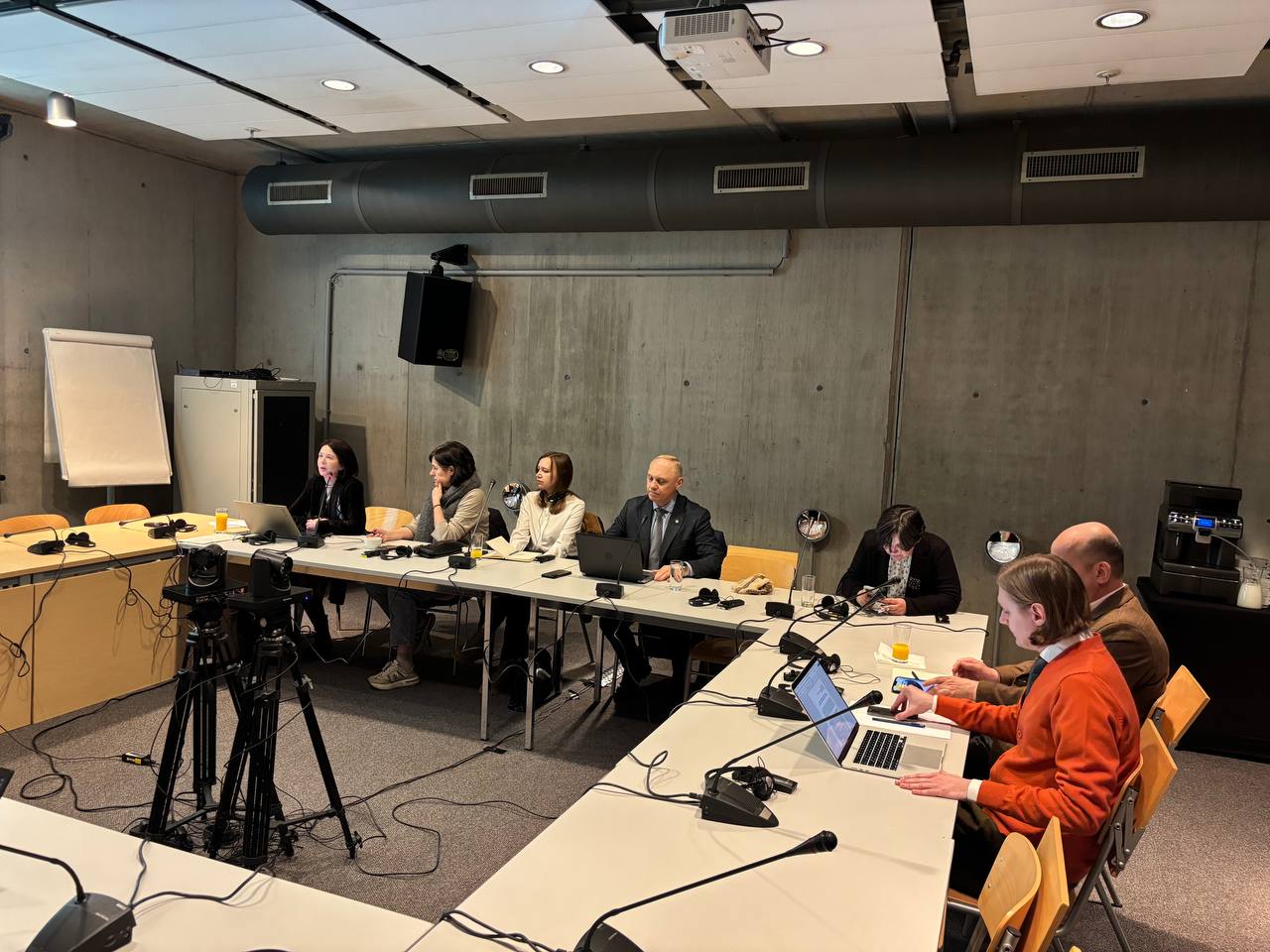
In the second part of the seminar, Professor Antoni Kamiński presented an analysis of the functioning of the civil service in Poland, focusing on the tensions between its professional character and political influence. His presentation addressed the problem of the politicization of the administration, including the phenomenon of appointing individuals affiliated with ruling political parties to public positions. Particular attention was also paid to the issue of so-called “staff rotation” and the challenges related to maintaining кадров stability in public administration, including in comparison with the situation in Ukraine.
During the concluding discussion, the participants noted that in both Poland and Ukraine the functioning of the civil service remains closely connected to the dynamics of the political system. One of the key challenges for the future is strengthening the professionalism of the civil service, ensuring transparency in recruitment procedures, and increasing public trust in state institutions.
The seminar was also attended by researchers from the Department of Political Institutions and Processes of the Kuras Institute of Political and Ethnic Studies of the National Academy of Sciences of Ukraine — PhD in Political Science Nataliia Kononenko, Rostyslav Balaban, Svitlana Brekharia, and Ihor Symysenko.
APA Style. Recommendatios for use
Join our official pages!
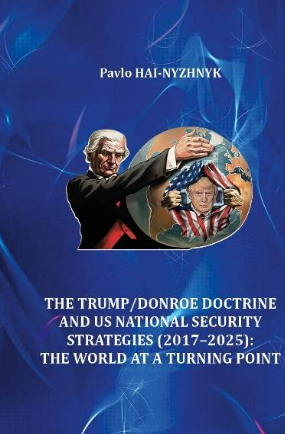
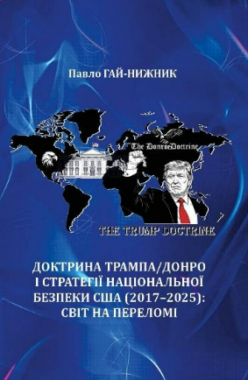
Summit Book Publishing has released a monograph by Pavlo Hai-Nizhnyk, Doctor of Historical Sciences and leading researcher at the Institute’s Department of Political Culture and Ideology, entitled «The Trump/Donro Doctrine and US National Security Strategy (2017–2025): The World at a Crossroads.”
Pavlo Hai-Nyzhnyk
The Trump/Donroe Doctrine and US National Security Strategies (2017–2025): The World at a Turning Point / Monograph / Pavlo Hai-Nyzhnyk. – Kyiv: Summit-Book, 2026. – 232 p., ill.
ISBN 978-966-986-804-6
The monograph analyses the editions of the National Security Strategy (2017 and 2025) developed by the administration of US President Donald Trump during his two terms in office at the White House and their transformation into the Trump Doctrine (the so-called Donroe Doctrine).
In particular, the 2017 National Security Strategy defined the geopolitical priorities of the United States in terms of the spread of Islamic terrorism, the strengthening of the role of Russia and China in the global world, changes in the regional balance of power, the intensification of transnational and migration processes, etc. and for the first time, it was stated that the world had entered an era of strategic competition.
The dominant approach of the United States to ‘preserving peace’ was emphasised as ‘projection of power,’ including through expanding its presence in global cyberspace. Consequently, in 2018, the National Defence Strategy and National Cyber Strategy of the United States were developed. In addition, in 2020 and 2021, the Solarium Commission on Cyberspace released its findings.
Despite the fact that Trump’s first term as president ended in January 2021, it was also studied in order to understand the consistency or fluidity of US foreign policy priorities and the key principles of the Strategy. Trump ended in January 2021, it was also studied in order to understand the consistency or fluidity of US foreign policy priorities and the key principles of the US National Security Strategy under President Biden, in particular in the Interim National Security Strategy Guidance (2021), the National Security Strategy (2022) and the Final Report of the Congressional Commission on the Strategic Position of the United States (2023), in which the concept of a ‘grey zone’ was used for the first time in high-level American official documents, the definition of a new world order and the possibility of a Third World War were discussed.
The main political groups (factions) surrounding the 47th President of the United States, Donald Trump, in 2025, which influence the implementation of the geopolitics and geostrategy of official Washington, have been analysed and identified. In November 2025, President Trump signed a new National Security Strategy, which became the official explanation of the Trump administration’s foreign policy worldview and was closely intertwined with his personal vision of the world order and America’s place and role in the international security system. An analysis of the strategy points to a grandiose and radical transformation of the White House’s geostrategic narratives, which influenced global geopolitics and changed the balance of civilisational influences on the world stage.
The main principles of the Trump Doctrine (Donroe Doctrine), its impact on the global security system, the prospects for the transformation of international relations and the establishment of a new world order are analysed.
The author’s vision of two directions of formation of the newest global model of the future world order is proposed: the imperocentric/imperopolar world or the dignuscentric/dignuspolar world (imperacentric world vs dignuscentric world). It is noted that the new world order can prevail not only as a result of a destructive war or the triumph of total chaos, but also as a consequence of a post-conflict compromise or agreement of positions and concessions in taming controlled chaos in order to prevent world ruin.
CONTENTS
Foreword. National Security Strategy as one of the main documents and a “road map” for the state on defense and foreign policy issues: from a formal document to a strategy for preventing new and future threats
Chapter 1. US National Security Strategy – 2017
Chapter 2. US National Defense Strategy and Cyber Strategy – 2018
Chapter 3. US National Security Strategy – 2021/2022
Chapter 4. Old ideologemes of Trump’s new team: the geopolitical grounding of pro-Russian mega-narratives
Chapter 5. US National Security Strategy – 2025 – Trump/Donro Doctrine
Afterword. Donro Doctrine and World Order: Impera-Polarity vs. Dignus-Polarity
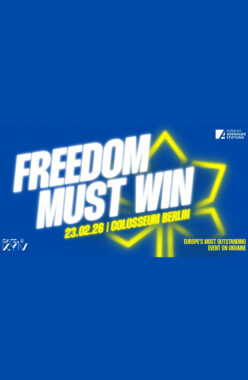
On February 23, 2026, a large-scale international, political and public forum Café Kyiv was held in Berlin on the eve of the fourth anniversary of russia’s full-scale invasion of Ukraine.
This year’s forum was held under the slogan “Freedom Must Win”. For the fourth year in a row, the Konrad Adenauer Foundation (KAS) and numerous international partners have been holding such an event in Berlin in support of Ukraine, cultural, scientific, educational, and public projects aimed at helping our country and discovering the truth about European Ukraine. This year, about 5 thousand guests took part in the forum, who became participants in numerous panels of the forum. Cafe Kyiv has thus become the most important event for Ukraine in Europe and is almost unlike any other format for exchanging views and political solidarity.
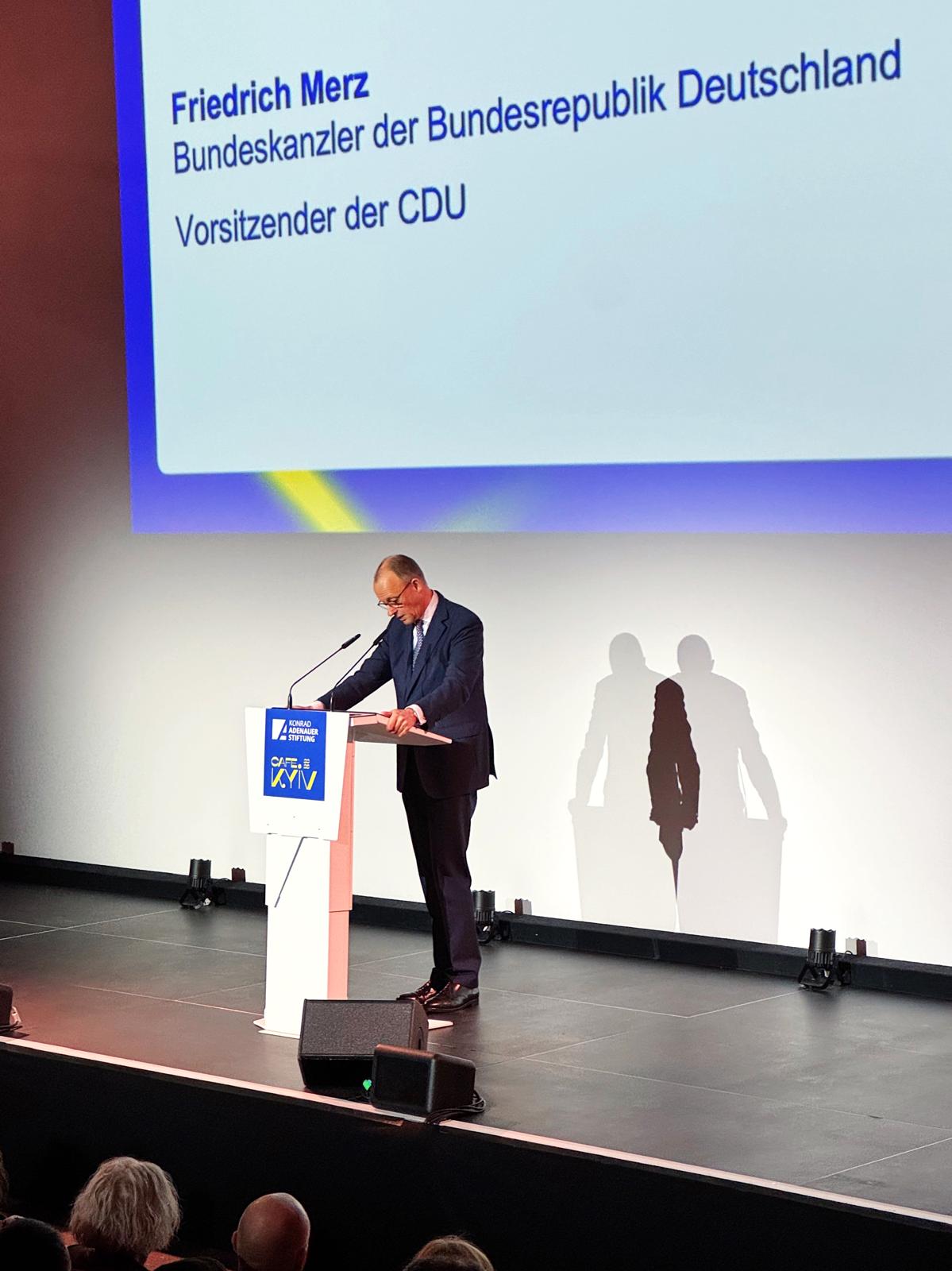 Opening of the forum, German Chancellor Friedrich Merz speaking
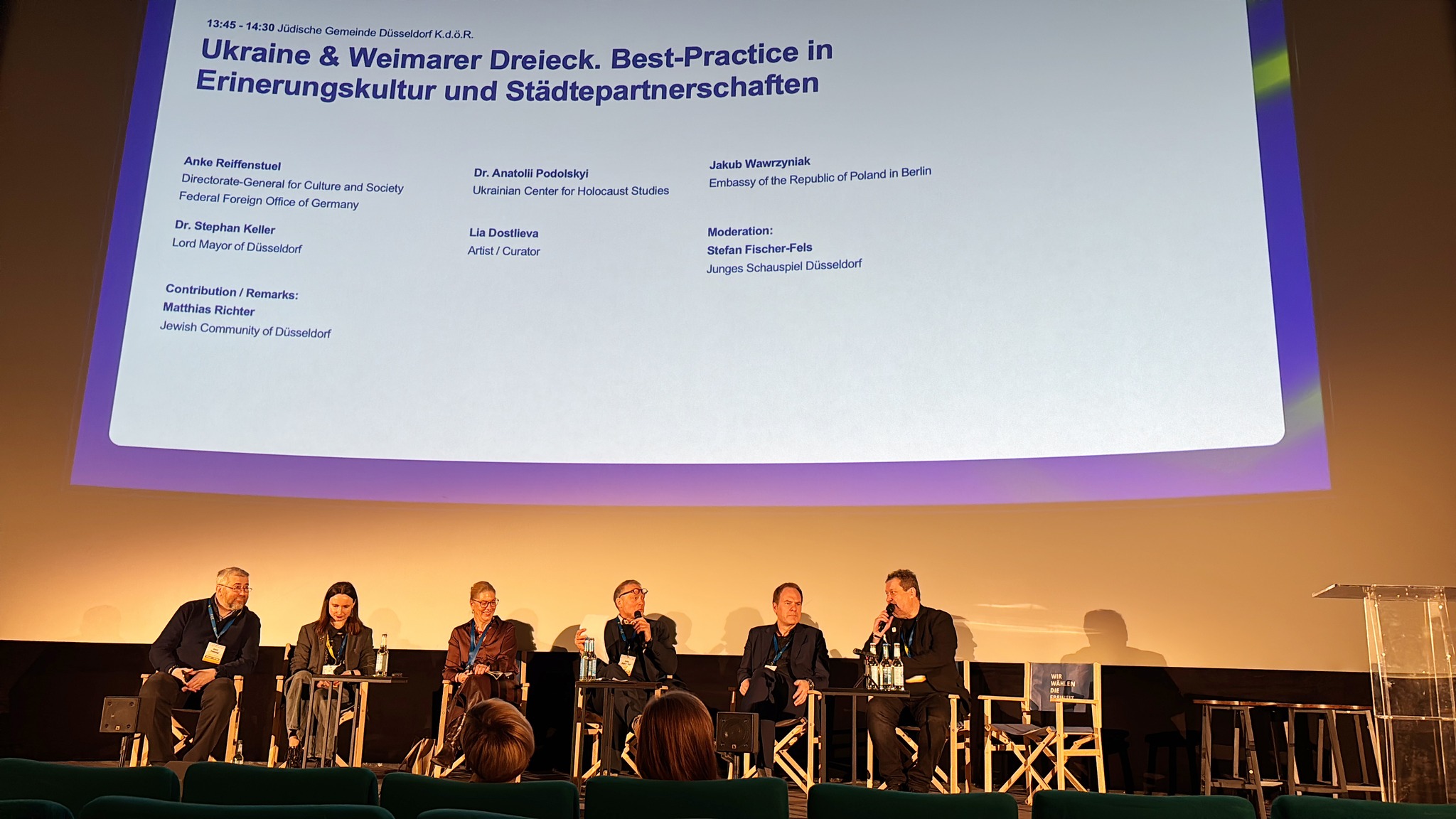
Participants of the “Tracks of Memory” panel
At the beginning, the President of the KAS Annegret Kramp-Karrenbauer and the Federal Chancellor of Germany Friedrich Merz emphasized that the future of Europe and the future of Ukraine are inextricably linked. Ukraine is defending not only its own freedom, but also the fundamental principles of the European order. “russia is not showing any readiness for peace,” the Federal Chancellor said. “This war will only end when russia can no longer finance it. That is why we must give Ukraine the opportunity to achieve a lasting and just peace.” “Russia is now waging war with even greater cruelty than four years ago,” Annegret Kramp-Karrenbauer summed up at the beginning. “If Ukraine wins, Europe wins and freedom wins!”
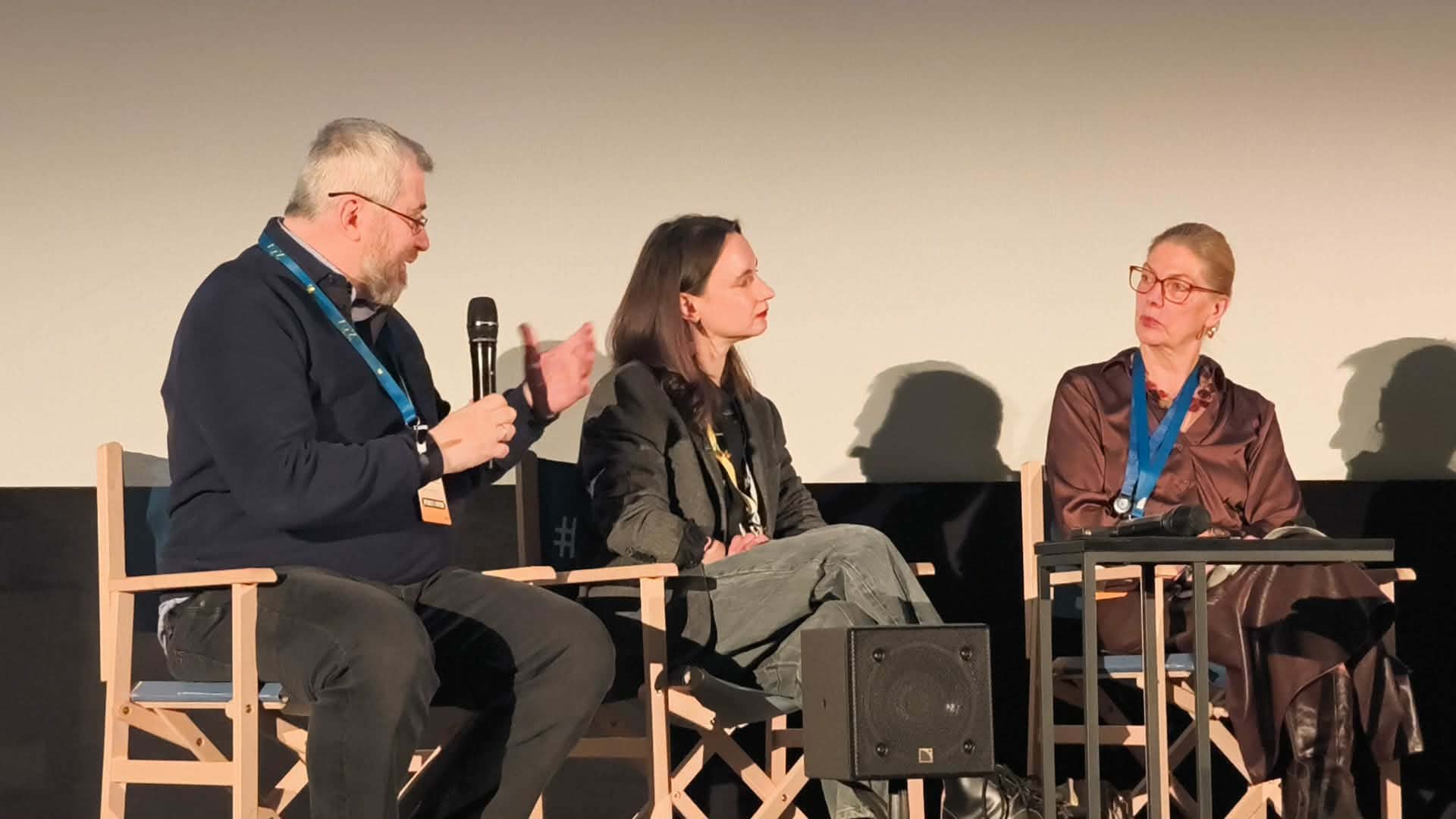 During Anatoly Podolsky’s speech at the forum
In the work of the panel “Tracks of Memory: Ukraine and the Weimar Triangle. Best Practices in the Culture of Memory and Partnership of Cities”, organized by the Jewish Community of Düsseldorf with the support of the Federal Ministry of Foreign Affairs, was attended by Anatolii Podolskyi, a leading researcher in the Department of Ethnopolitical Science of our Institute, Candidate of Historical Sciences. In his speech, the representative of Ukraine at the forum presented the national experience in the field of studying and teaching the history of the Holocaust and combating anti-Semitism, and also refuted the manipulative Kremlin narratives aimed at justifying aggression against Ukraine.
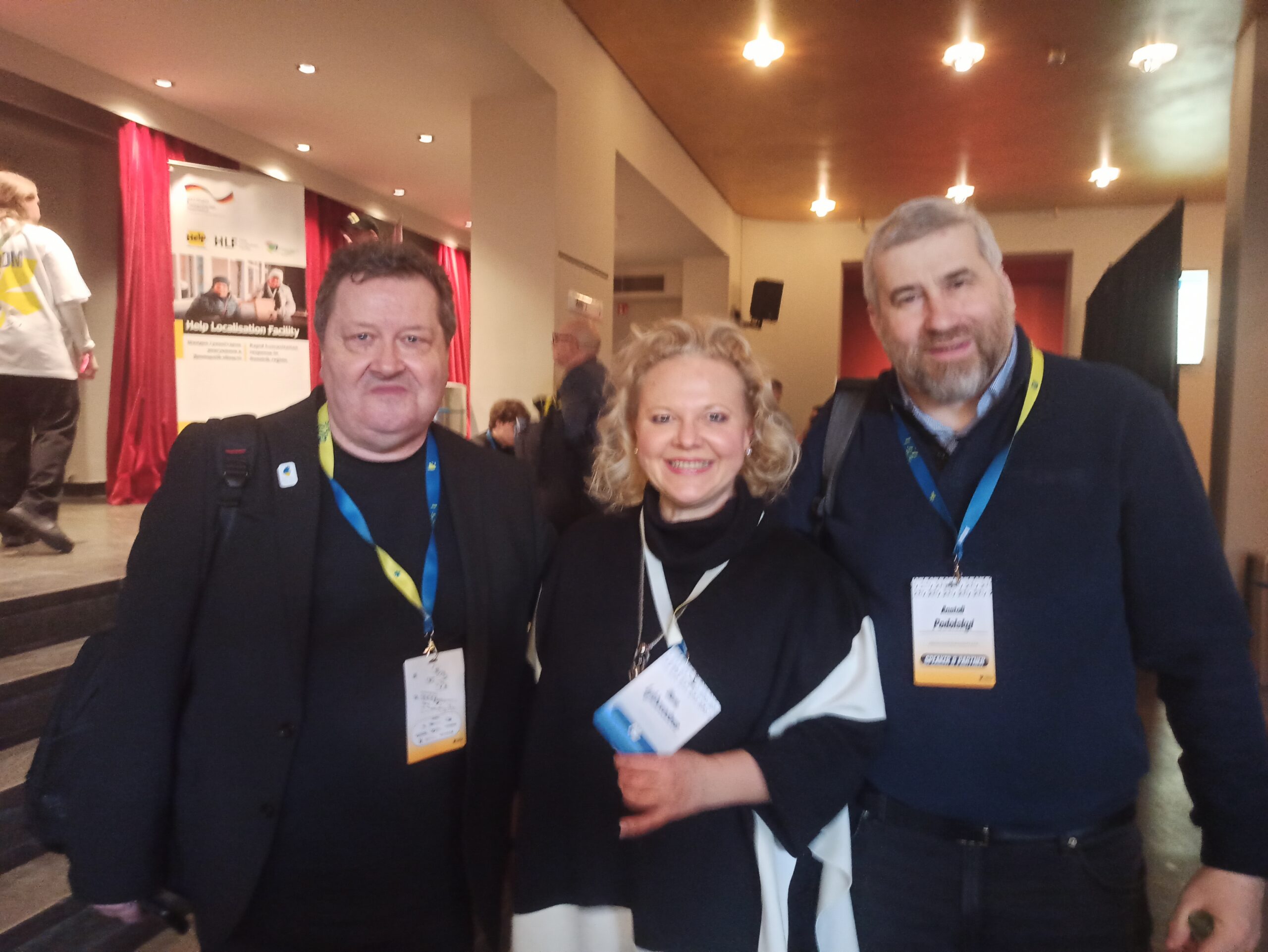
Matthias Richter, Olena Likhovodova, Anatolii Podolskyi
On February, 19, 2026, the V All-Ukrainian Research and Practice Conference “Sociocultural Transformations in Ukraine in the 20th–21st Centuries and Overcoming the Soviet Legacy in Education, Culture, and Mentality” was held at Hryhorii Skovoroda University in Pereiaslav. The event brought together scholars and educators from different regions of Ukraine to discuss long-term societal changes, the impact of the Soviet past on contemporary institutions, and approaches to overcoming this legacy in the educational, cultural, and political spheres. Particular attention was paid to sociocultural processes unfolding under wartime conditions, identity transformations, language policy, and institutional reforms.
Among the participants were Deputy Director of the Institute, Doctor of Historical Sciences, Professor Yurii Nikolaets, and Leading Research Fellow of the Department of Political Institutions and Processes, Candidate of Political Sciences Rostyslav Balaban.
In his presentation, Yurii Nikolaets analyzed the impact of the sociocultural environment on citizens’ behavior in the context of the ongoing Russian-Ukrainian war. He noted that lifestyles, systems of values, social roles, and identity significantly shaped public attitudes toward organizing resistance to aggression. At the same time, existing differences in public assessments of political parties, top-level politicians, historical figures, economic development prospects, foreign policy orientation, or language policy did not lead to internal armed confrontation. According to him, the involvement of Ukrainian citizens in hostilities on opposite sides of the frontline resulted exclusively from the actions of the Russian Federation aimed at achieving its foreign policy objectives.

He also addressed the emergence of a new social status in Ukraine—internally displaced persons (IDPs). The relocation of citizens from eastern regions to central and western oblasts created certain preconditions for broader use of the Ukrainian language in everyday communication. At the same time, he pointed to challenges in implementing state language policy, the continued influence of the Russian sociocultural environment (including through social media and messaging platforms), and the “normalization” effect of prolonged war. These factors, in his view, contributed not only to the persistence of a relatively large number of Russian-speaking citizens in everyday life but also to a certain increase in this number, which became particularly noticeable in 2025.
In his presentation, Rostyslav Balaban focused on the factors that long hindered the overcoming of the Soviet political paradigm. Among them, he identified the nationalization of the economy, entrenched paternalistic attitudes, and the lack of market-economy experience among the vast majority of citizens. For a considerable period, public perceptions centered on ideas such as “fair distribution,” “people’s property,” “free services,” and the notion that “the state must provide.” Political campaigns of the 1990s, in his assessment, reinforced these attitudes through numerous promises of improved living standards, contributing to the consolidation of a model of passive political behavior.
He further noted that Ukraine did not undergo comprehensive political lustration, and a significant part of the Soviet партий elite remained in power for some time, seeking to preserve its positions. Elements of Soviet-style “democratic centralism,” characterized by strict hierarchical subordination and limited opportunities for administrative modernization, persisted for years. According to the speaker, meaningful changes began with the introduction of the decentralization reform.
The presentations were followed by an open discussion. As a result of the conference, participants formulated shared approaches to assessing current sociocultural transformations and the role of institutional reforms in overcoming the Soviet legacy.
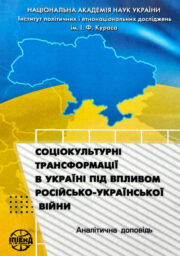
On the Institute’s website (in the “Our Publications” section), is available the electronic version of the analytical report “The sociocultural transformations in Ukraine under the influence of the russian-ukrainian war”.
The analytical report contains an analysis of socio-cultural transformations in Ukraine during the current Russian-Ukrainian war. It examines the essential manifestations of worldview and existential shifts that have occurred at the level of individual and group consciousness regarding Ukrainian citizens’ perceptions of their life goals and value priorities.
It proposes concepts of the “Russian-Russian” threat to Ukraine’s national values and the protection of national identity in the context of cognitive warfare. It identifies transformations in the ideological preferences of Ukrainian citizens, the specifics of their assimilation of “European” values, and the ethnopolitical aspects of sociocultural changes. The sociocultural dimension of citizenship is outlined, and the reassessment by Ukrainian citizens of past events and figures under the influence of Russian military aggression is characterised.
On the Institute’s website (in the “Our Publications” section), is available the electronic version of the analytical report “The concept of ukrainian unity: origins, evolution, political relevance”.
This analytical report presents a conceptual analysis of Ukraine’s political unity (sobornist) as a multilayered phenomenon that encompasses the idea of state unity, civic solidarity, and strategic integration. The authors explore sobornist as a key political category in the context of the ongoing war and regional challenges. Particular attention is paid to both internal and external factors that contribute to the actualization of unity: decentralization processes, national consolidation, threats to territorial integrity, and the impact of the European integration vector.
Based on an interdisciplinary approach (political science, sociology, and law), the report identifies the integrative potential of sobornist as a mechanism for stabilizing the socio-political space, strengthening democratic institutions, and fostering national dialogue.
On February 3, 2026, Anatolii Podolskyi, a leading researcher at the Department of Ethnopolitical Science of our Institute, Candidate of Historical Sciences, delivered a lecture (online) for students of the Faculty of History of Oles Honchar Dnipro National University on the topic “Holocaust Memory, Research and Educational Aspects: Challenges during War”.
The lecture was given as part of the project of the Department of World History of DNU “European Multiculturalism as an Experience and a Path to the European Integration of Ukraine” under the EU Erasmus+Jean Monnet program. This time, colleagues and students from other educational institutions of Dnipro and the region also joined the lecture for students of the special course of DNU – the Ukrainian State University of Science and Technology, the Kryvyi Rih State Pedagogical University, and the Novooleksandrivsky Lyceum of the Dnipro District.

Anatolii Podolskyi
During the lecture, the lecturer emphasized the scale of the Holocaust tragedy on Ukrainian lands: about 25% of all Holocaust victims were Ukrainian Jews, and more than 2,000 mass graves have been recorded on the territory of Ukraine. Special attention was paid to the fact that independent Ukraine has taken important steps in creating memorials to Holocaust victims, while modern Russia, with its terrorist actions, is destroying both monuments and the culture of memory itself. An important emphasis was also the fact that Ukraine ranks fourth in the world in terms of the number of Righteous Among the Nations. Overall, the lecture was informative, profound in content, and important in terms of the formation of historical memory and civic responsibility.
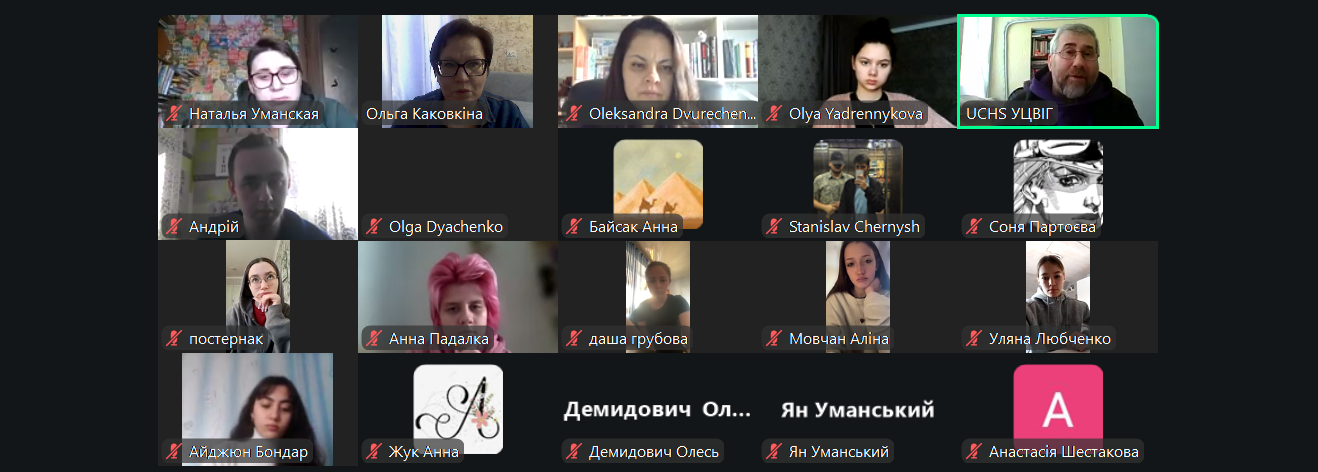
During lecture
Information about A. Podolskyi lecture
From January 23 to 30, 2026, an international academic visit took place within the framework of the Insight Israel program, organized through cooperation between the Ministry of Diaspora Affairs and Combating Antisemitism of the State of Israel and Ariel University. The program aimed to deepen international academic dialogue and to provide insight into the development of Israeli science, the higher education system, and socio-political processes under contemporary security challenges.
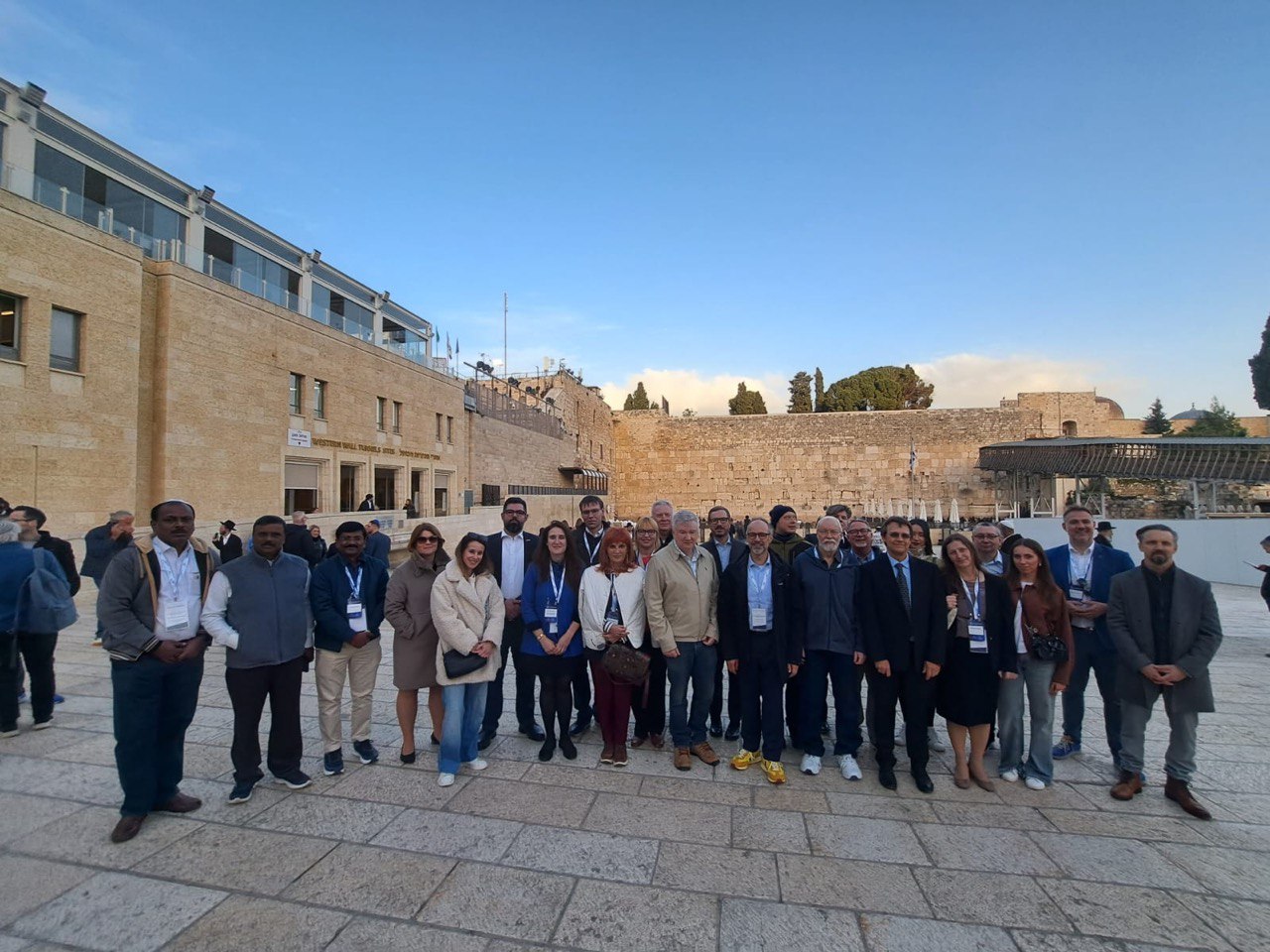
The international delegation consisted of 22 representatives of the academic and expert community from 11 countries: Ukraine, Poland, the United States, Canada, Germany, India, Spain, Georgia, Armenia, Austria, and Lithuania. The delegation brought together leading scholars, university administrators, and experts in political science, international relations, law, security studies, innovation, and public policy.
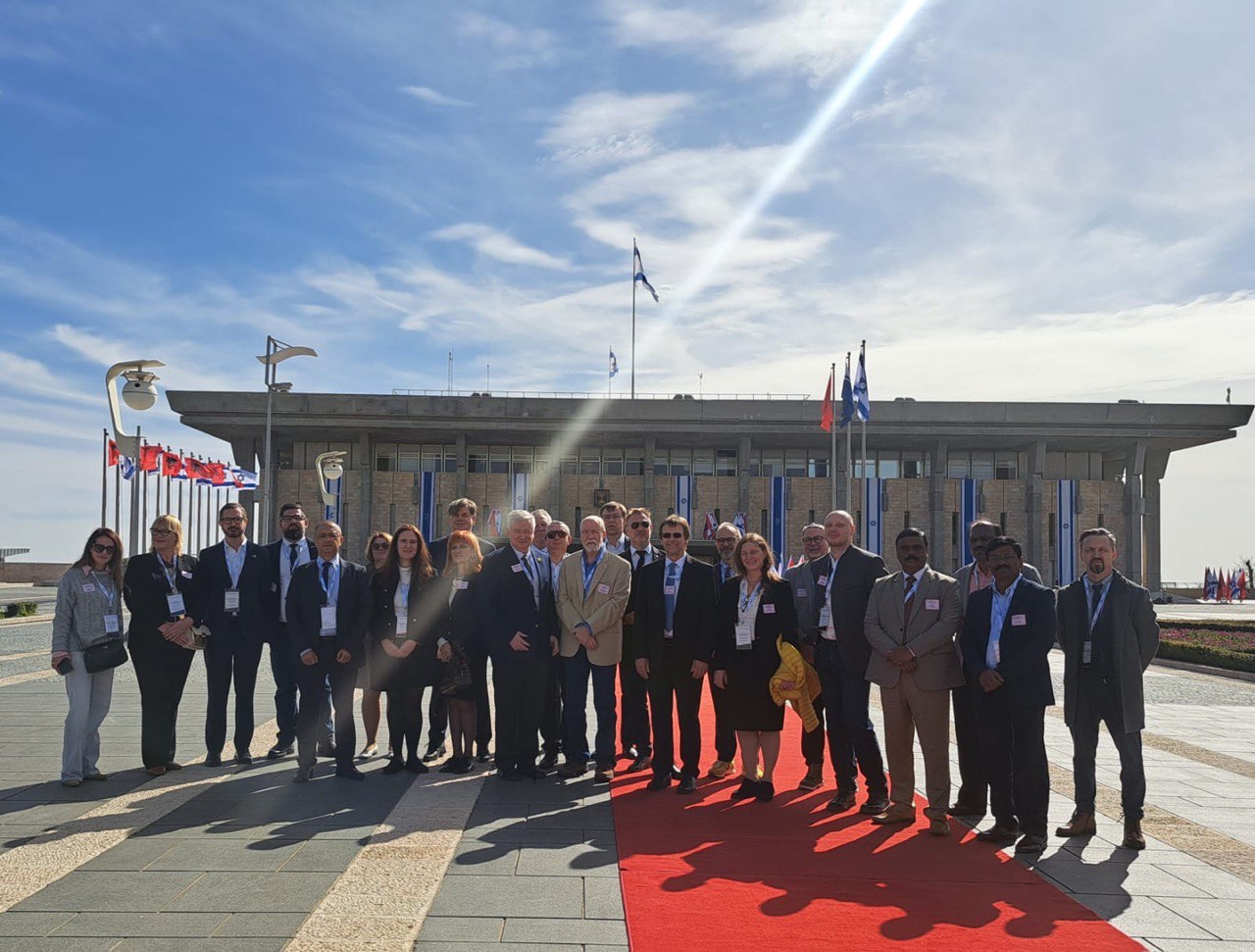
Ukraine was represented in the delegation by Galyna Zelenko, Deputy Director for Research at the I. F. Kuras Institute of Political and Ethnonational Studies of the National Academy of Sciences of Ukraine and Corresponding Member of the NAS of Ukraine. Her participation in the program was an important element in presenting Ukrainian academic scholarship and Ukraine’s wartime experience within a broader international context.
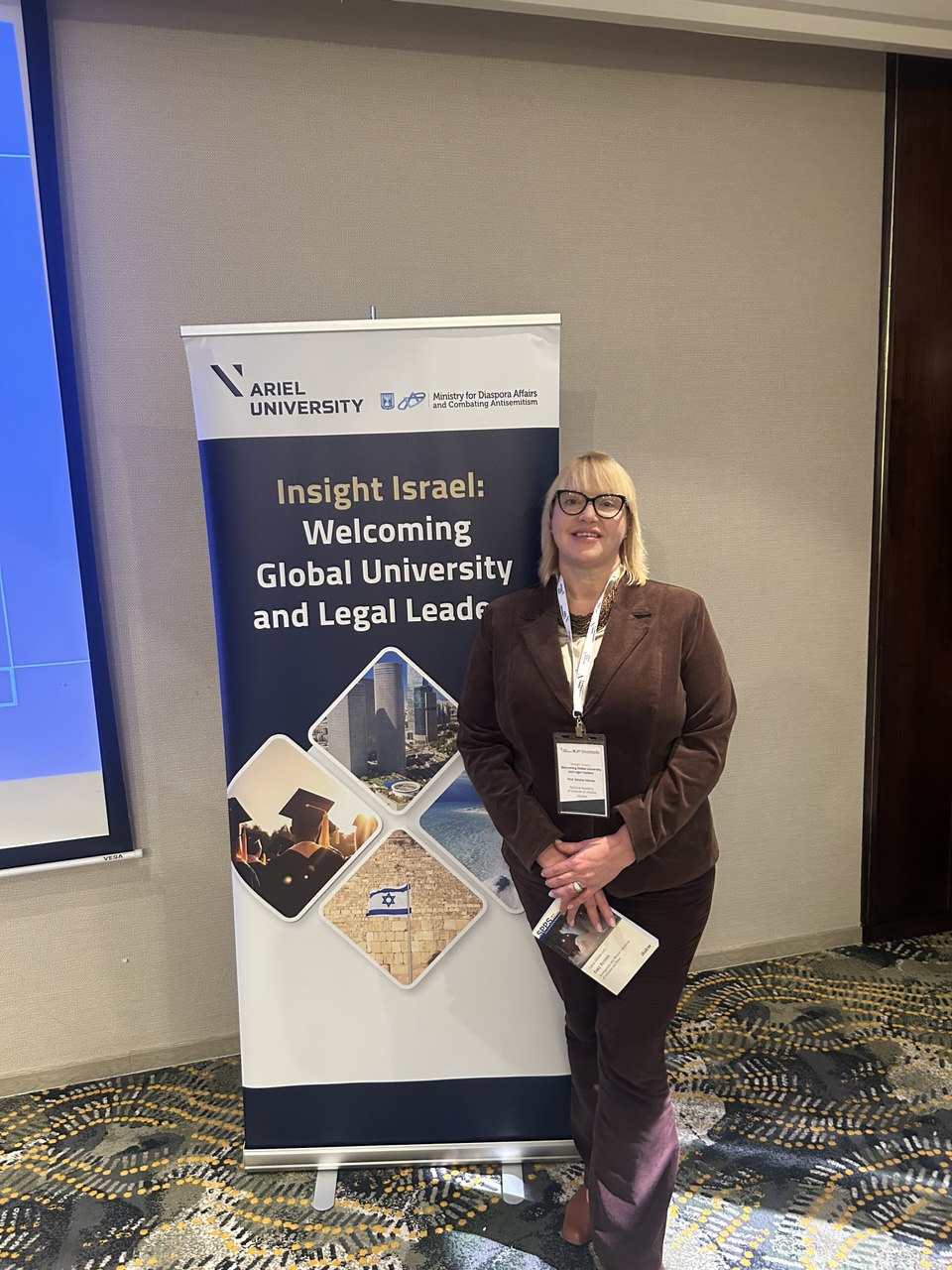
The Insight Israel program included a series of lectures and discussions with leading Israeli scholars and experts, meetings with the leadership of Ariel University, Ben-Gurion University, and the Hebrew University of Jerusalem, as well as meetings with members of the Knesset and representatives of state authorities in Jerusalem, Tel Aviv, Ariel, and southern regions of the country. Special attention was devoted to issues of academic freedom, the role of universities in times of crisis, security challenges, disinformation, and contemporary manifestations of antisemitism.
The participation of a Ukrainian researcher in this format of international academic cooperation contributed to conveying the Ukrainian perspective on issues of political resilience, institutional development, and the preservation of democratic mechanisms under conditions of war. At the same time, the program served as a platform for establishing new professional contacts, exchanging experiences, and shaping prospects for further joint research and educational initiatives.
On January 27, 2026, on the International Holocaust Remembrance Day, the National Historical and Memorial Reserve “Babyn Yar” presented the “Living Memory” awards to people who preserve and pass on the memory of Babyn Yar. The diploma “For preserving the memory of the Babyn Yar tragedy” and the honorary award “Living Memory” were received by Anatolii Podolskyi, a leading researcher in the ethnopolitical science department of our Institute, head of the Ukrainian Center for Holocaust Studies, candidate of historical sciences.
The awarding took place during the opening of the scientific round table “Ukrainian Society and the Holocaust Memory: Challenges during the War”. During the presentation of the honorary award, the director of the National Historical and Memorial Reserve “Babyn Yar” Roza Tapanova emphasized that A.Yu. Podolskyi has been researching the Nazi genocide of Jews in Ukraine and Eastern Europe for over 30 years and is shaping a culture of remembrance, respect for human rights, and tolerance.
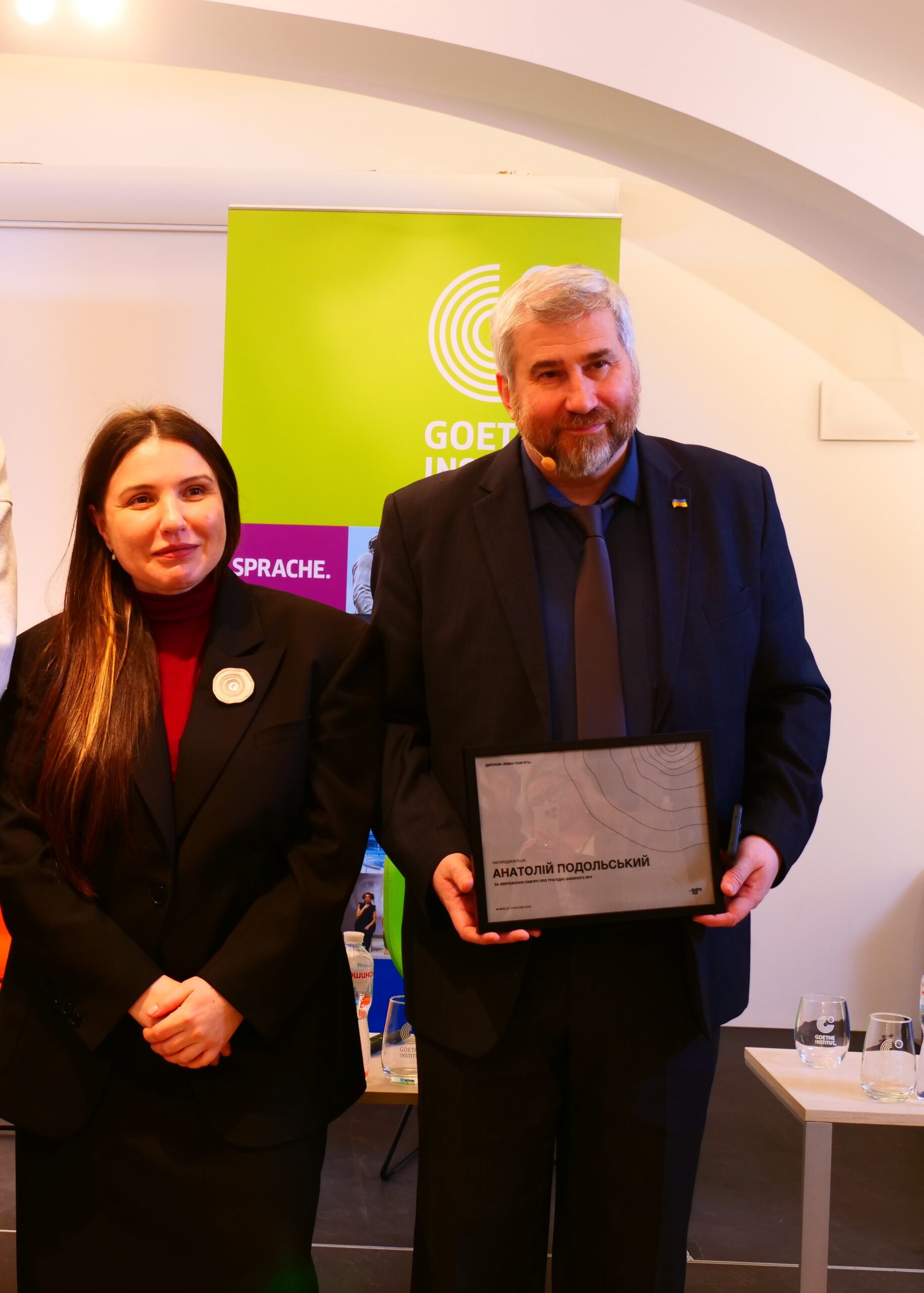 Rosa Tapanova, Anatolii Podolskyi
Scholars of the I. F. Kuras Institute of Political and Ethno-National Studies of the National Academy of Sciences of Ukraine have joined the Working Group tasked with preparing comprehensive legislative proposals on the specific features of organizing and conducting elections during a special period and/or in the post-war context. This expert group was established to develop key legal provisions aimed at ensuring the legitimacy and fairness of electoral processes under extraordinary conditions.
The Institute is represented in the Working Group by Halyna Ivanivna Zelenko, Deputy Director, Doctor of Political Science, Corresponding Member of the NAS of Ukraine; Viktor Oleksiiovych Kotyhorenko, Head of the Department of Ethnopolitics, Doctor of Political Science, Professor; Rostyslav Valeriiovych Balaban, Leading Research Fellow, PhD in Political Science; and Nataliia Viktorivna Kononenko, Leading Research Fellow, PhD in Political Science.
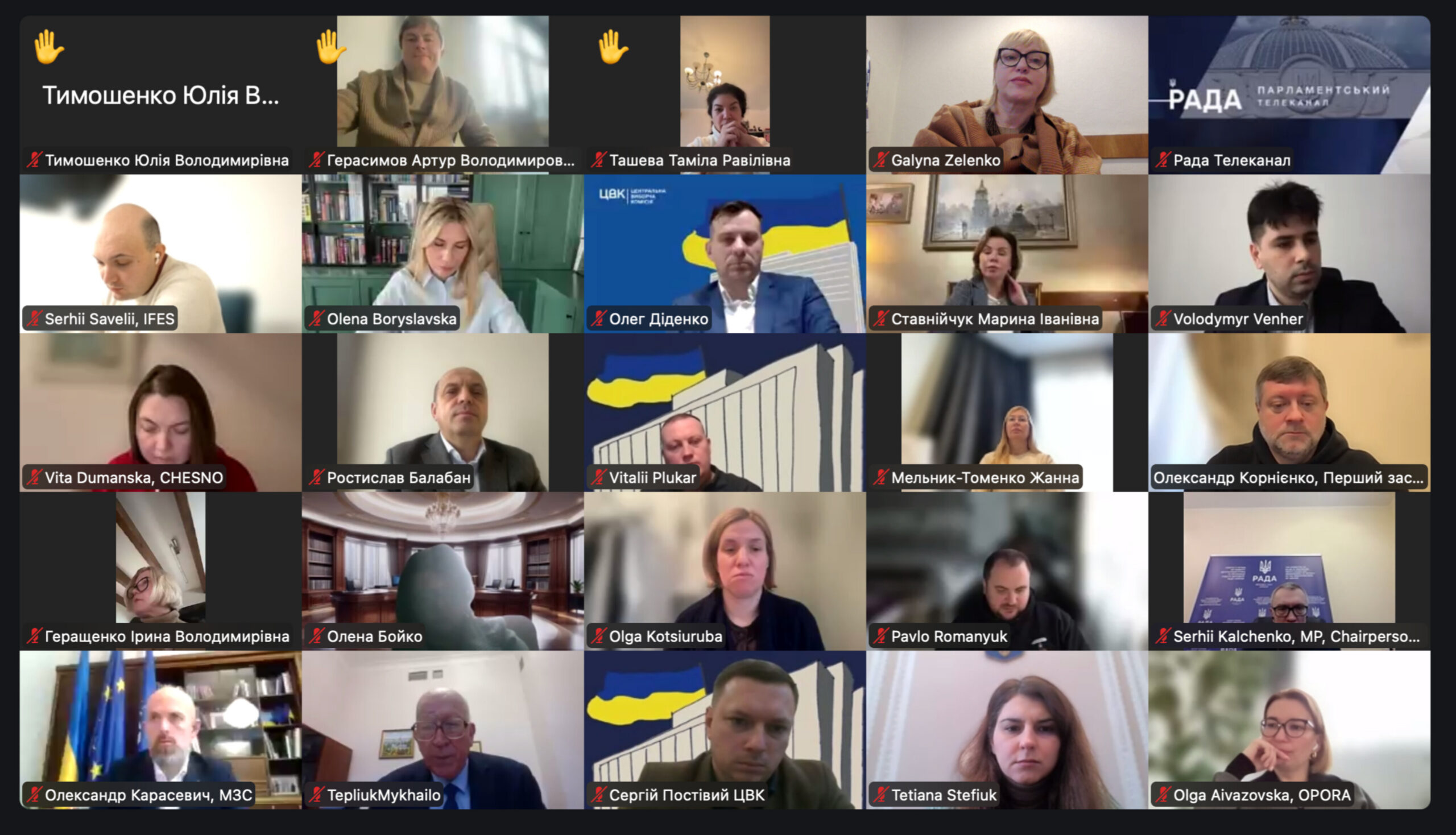
Researchers from the Institute are actively involved in work on critically important components of the future draft law, including election administration and the development of electoral infrastructure; the organization of voting for internally displaced persons, as well as in temporarily occupied and frontline territories; ensuring the electoral rights of Ukrainian citizens residing abroad; and fulfilling Ukraine’s international obligations in the field of elections.
Nataliia Viktorivna Kononenko has already prepared and submitted an official proposal to supplement the draft law “On the Specific Features of Ensuring the Organization and Conduct of Nationwide Elections after the Termination or Cancellation of Martial Law in Ukraine.” This initiative is aimed at protecting citizens’ direct electoral rights and предусматриває the mandatory publication on the official website of the Central Election Commission of information by candidates for the office of President of Ukraine and for the Verkhovna Rada regarding the time and purpose of their stay abroad during the period of martial law. The proposal prepared by the researcher is currently under discussion within the Working Group.
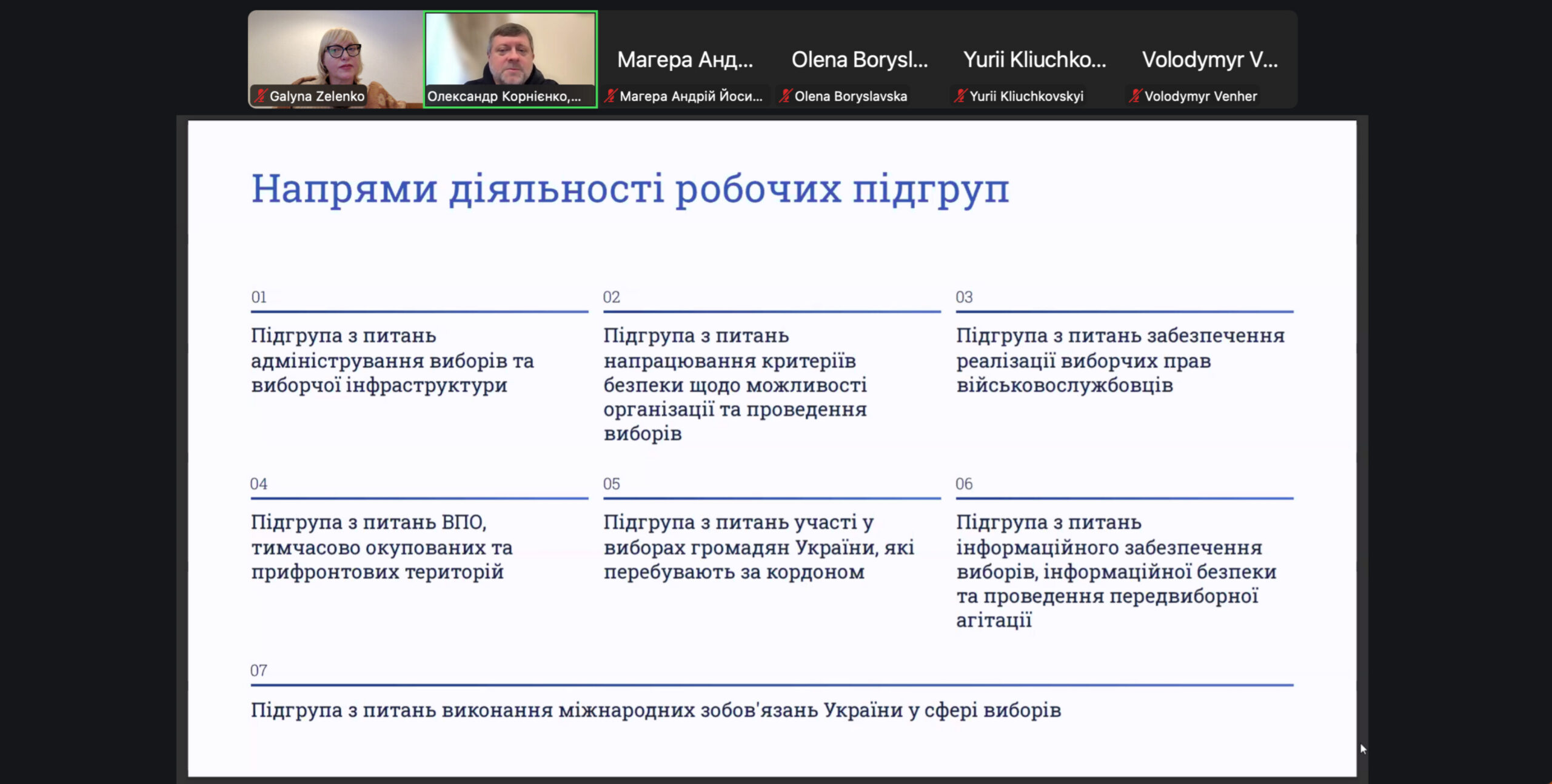
On January 28, 2026, Yurii Nikolaiets, Doctor of Historical Sciences and Deputy Director of the Institute, delivered a report at the Presidium of the National Academy of Sciences of Ukraine. In his presentation, titled “Countering Destructive Information Influences in Ukraine Amidst the Russo-Ukrainian War” he emphasized that sources of destructive influence within the information and communication environment can include not only hostile media outlets but also domestic resources. The desire to embellish the state of affairs (often hoping for increased aid from allies or partners), ‘whitewash’ the country’s top military and political leadership—some of whose actions have proven erroneous—conceal the consequences of ill-advised personnel policies or economic reforms, or shift responsibility for failed actions (typically onto the military or foreign partners whose aid is labeled ‘insufficient’ or ‘untimely’) can itself become a source of destructive information influence.
The threat of destructive information influences resulting from internal political struggles may lie in creating circumstances that lead to a sharp decline in trust in the authorities, which becomes an obstacle to implementing policies aimed at organizing resistance against the enemy.
Under such conditions, a network of high-quality regional media and national media supported by Western funding can serve as an alternative to the nationwide telethon. In this context, it is necessary to work with media consumers to increase the information responsibility of citizens. A clear understanding must be formed regarding the limited trust that should be placed in anonymous sources, especially those that do not produce content on a consistent basis.
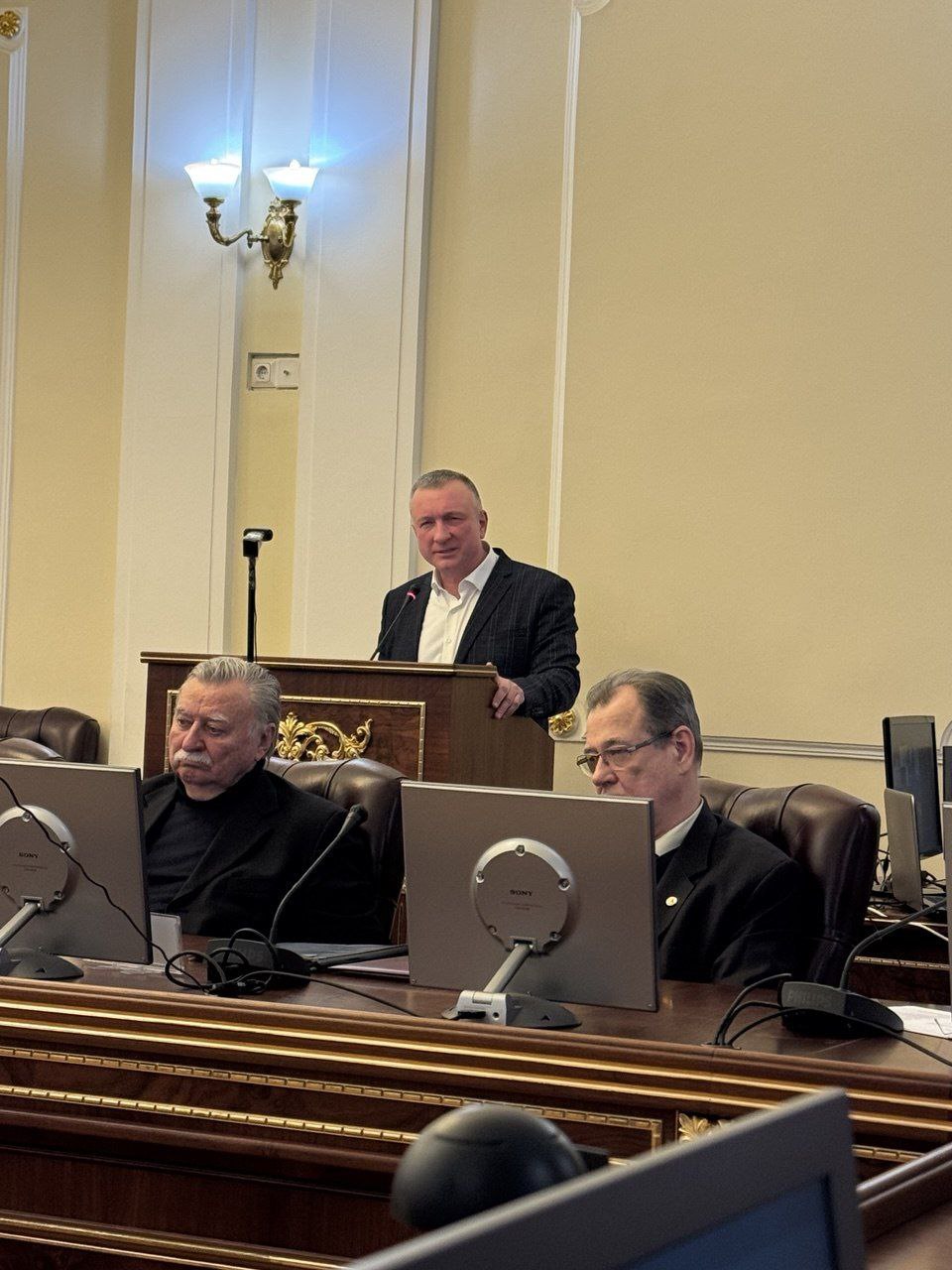
A vital pillar of state information policy remains the preservation of national unity in the ongoing struggle against the aggressor. To bolster the social mobilization potential, the state must disseminate content highlighting the prospects of post-war reconstruction. This includes the implementation of innovative projects, the modernization of economic activity, the reform of business-government relations, and the strengthening of interregional ties. Furthermore, strategic communication should emphasize the unique expertise of the Armed Forces of Ukraine, which have successfully navigated the largest-scale conflict since World War II, neutralizing over a million invaders and destroying vast quantities of enemy equipment, including significant portions of the Russian Black Sea Fleet and strategic aviation through the pioneering use of remote-controlled and robotic systems.
Ukraine’s countermeasures against destructive information influences must extend beyond Russian propaganda. It is essential to recognize that such influences can also originate from domestic political actors, civil society, or even international partners. Ensuring effective resistance to these threats is a critical necessity during the war and will remain a cornerstone of national security in the post-war era.
On occasion of the International Holocaust Remembrance Day, Ukrainian Center for Holocaust Studies, Goethe-Institut Ukraine in cooperation with Jewish community of the Dusseldorf, Polish Institute in Kyiv program are holding on the 27 January 2026 a round table discussion “Holocaust Commemoration and the Ukrainian Society: Challenges during war”. This event is aimed at encouraging discussion on the Holocaust commemoration in the Ukrainian society, fostering education about the Holocaust in Ukraine, commemoration of the victims and preservation of the heritage through public work.
The round table was opened with an introductory speech by Anatoliy Podolsky, a leading researcher in the Department of Ethnopolitical Science of our Institute, Head of the Ukrainian Center for Holocaust Studies, Candidate of Historical Sciences. The speech noted that in recent years, during the large-scale Russian aggression and war against Ukraine, the study and teaching of the Holocaust topic has not stopped, new scientific works have appeared, methodological developments have appeared regarding the teaching of this difficult issue as part of Ukraine’s own history during World War II, and the insertion of the tragic fate of Ukrainian Jews into the general historical context of Ukrainian history in the middle of the last century.
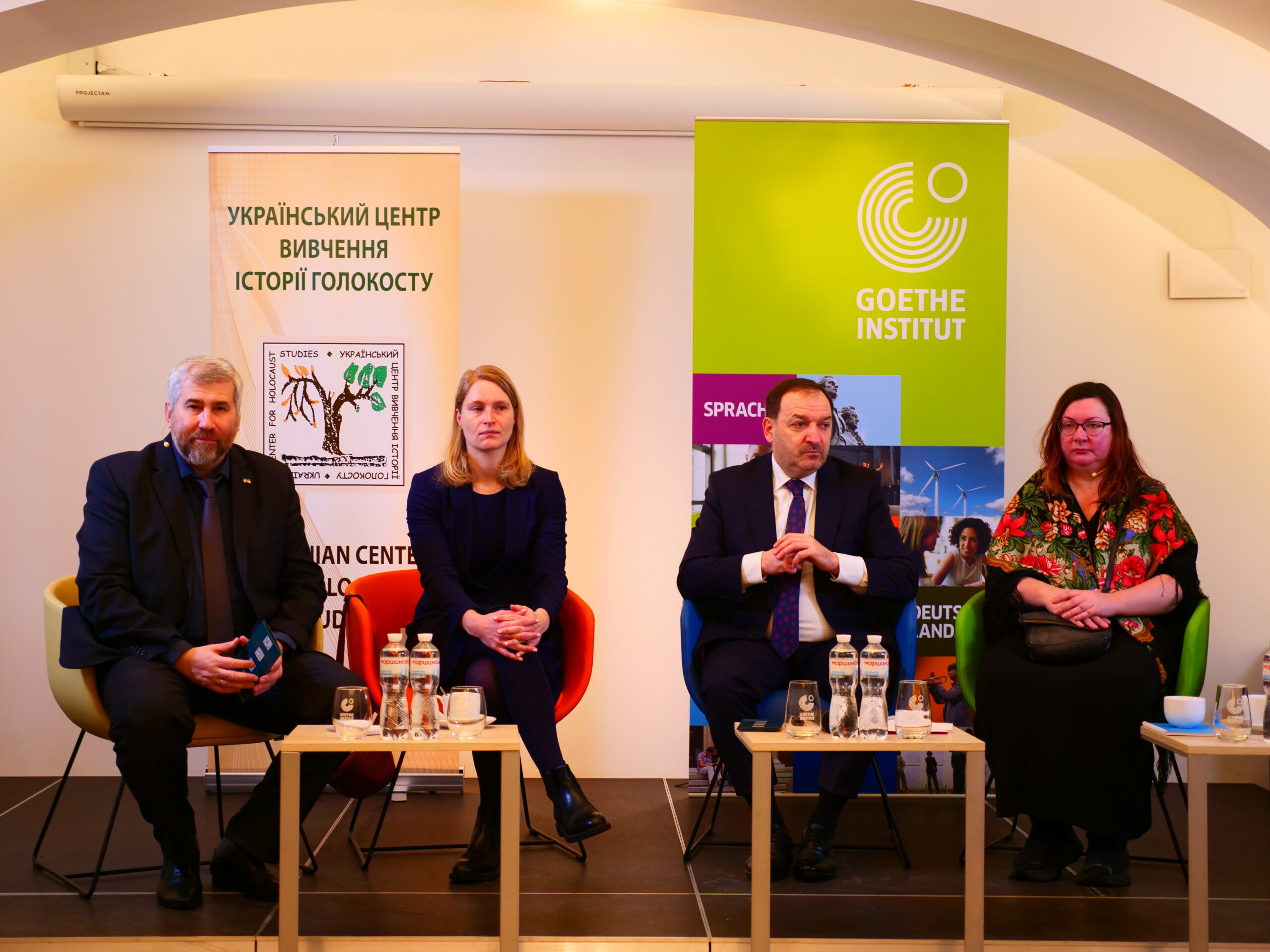
Discussions during the round table
We will remind you that in 2005, the UN General Assembly adopted Resolution No. 60/7, in which it proclaimed January 27 as the International Day of Remembrance of the Victims of the Holocaust. The resolution emphasizes the importance of educational and outreach work to learn the lessons of the Holocaust and prevent future manifestations of hatred, bigotry, racism, and prejudice.
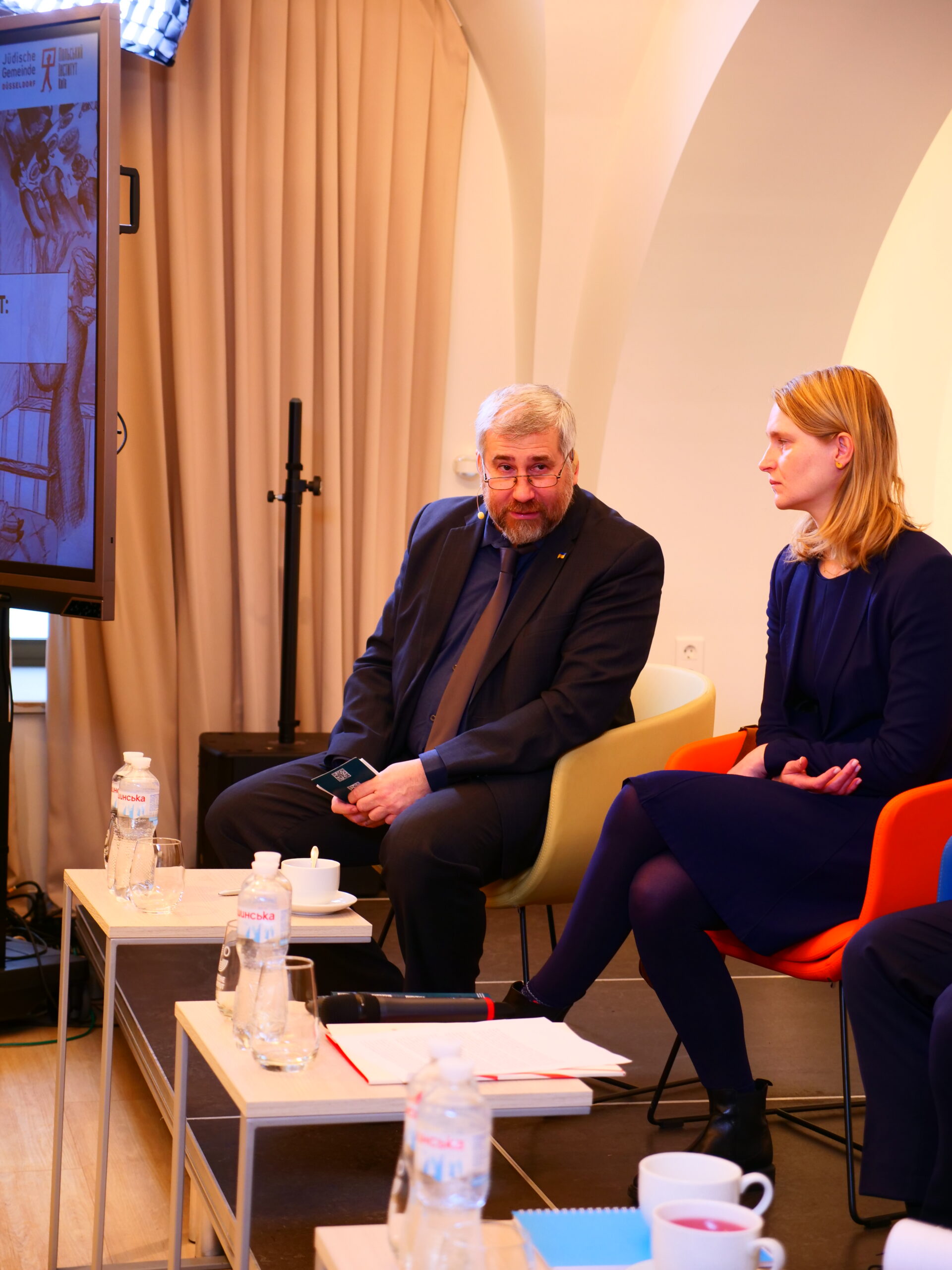
Anatoly Podolsky
On the Institute’s website (in the “Our Publications” section), is available the electronic version of the monograph “The concept of ukrainian unity: origins, evolution, political relevance”.
The monograph explores the genesis of the concept of Ukrainian sobornist (unity), its historical evolution, and its contemporary political relevance as a foundation of national cohesion and statebuilding.
Part One, “The Idea of Ukrainian Sobornist: Historical Origins, Evolution, and Semantic Development”, offers a comprehensive analysis of the formation and development of the idea of sobornist within Ukrainian political thought, historical memory, and public discourse — from its early origins to the emergence of modern statehood. The monograph traces the transition from notions of ethnic unity to the concept of political sobornist of the Ukrainian nation, examining the role of unification ideas in the political programs of parties in both Western Ukraine and the Dnipro region.
Part Two focuses on a thorough analysis of the political concept of Ukrainian sobornist in the context of modern socio-political transformations triggered by internal challenges and external aggression. Special attention is given to the renewed relevance of the idea of sobornist following the occupation of Crimea and parts of Donetsk and Luhansk regions, and throughout the full-scale war, when Ukrainian society faced unprecedented threats to statehood while simultaneously demonstrating a remarkable level of national consolidation and resilience.
On January 22, 2026, a round table dedicated to the Day of Unity of Ukraine “National Communities of Ukraine – Historical Events and Modernity in a National Context” was held at the I. F. Kuras Institute of Political and Ethno-National Studies of the NAS of Ukraine.
The event was attended by the Chairman of the Public Union “Council of National Communities of Ukraine,” Honored Worker of Culture of Ukraine Ashot Avanesyan, Members of Parliament of Ukraine Maksym Tkachenko and Nelli Yakovleva, Representative of the Ukrainian Parliament Commissioner for Human Rights Oleksandr Osipov, Deputy Minister of Youth and Sports of Ukraine Ulyana Tokareva, Project Coordinator of the Council of Europe Office in Ukraine Nataliia Oliinyk, Director General of the Directorate of School Education of the Ministry of Education and Science of Ukraine Inna Kilderova, and Attaché of the Department for Global Ukrainian Community and Humanitarian Cooperation of the Ministry of Foreign Affairs of Ukraine Viktor Cholovskyi.
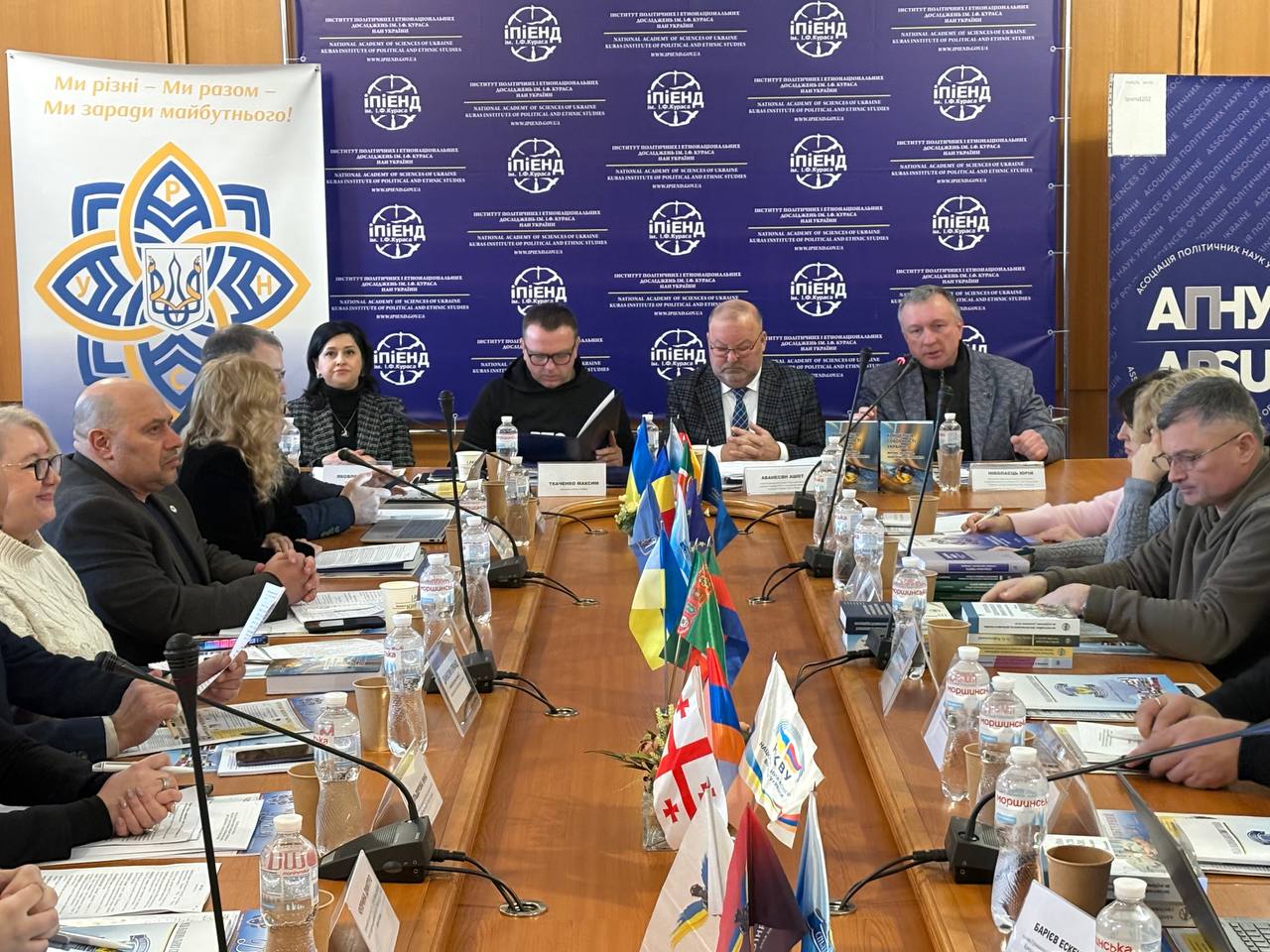
The round table was opened by Yurii Nikolaiets, Deputy Director of the Institute of Political and Ethnonational Studies, Doctor of Historical Sciences, and Professor. The participants noted that under the conditions of the modern Russian-Ukrainian war, civic identity is of paramount importance. The cohesion of citizens in organizing resistance to the aggressor prevented the enemy from realizing its plans and liquidating Ukrainian statehood.
During the round table, a presentation was held for the monograph “The Concept of Sobornist (Unity): Origins, Evolution, Political Relevance,” authored by staff members of the I.F. Kuras Institute of Political and Ethnonational Studies. Presenting this scholarly work, Tetiana Bevz — Chief Researcher of the Institute, Doctor of Historical Sciences, and Professor — noted that on the Day of Unity of Ukraine, revisiting the idea of sobornist acquires not only symbolic but also fundamental scientific and methodological significance. Within political science, sobornist should be viewed as a multidimensional normative category that combines territorial integrity, identity, political loyalty, and the responsibility of citizens for a shared political space. It serves simultaneously as a way of conceptualizing state unity and as a criterion for its functional capacity under conditions of external coercion and internal tension.
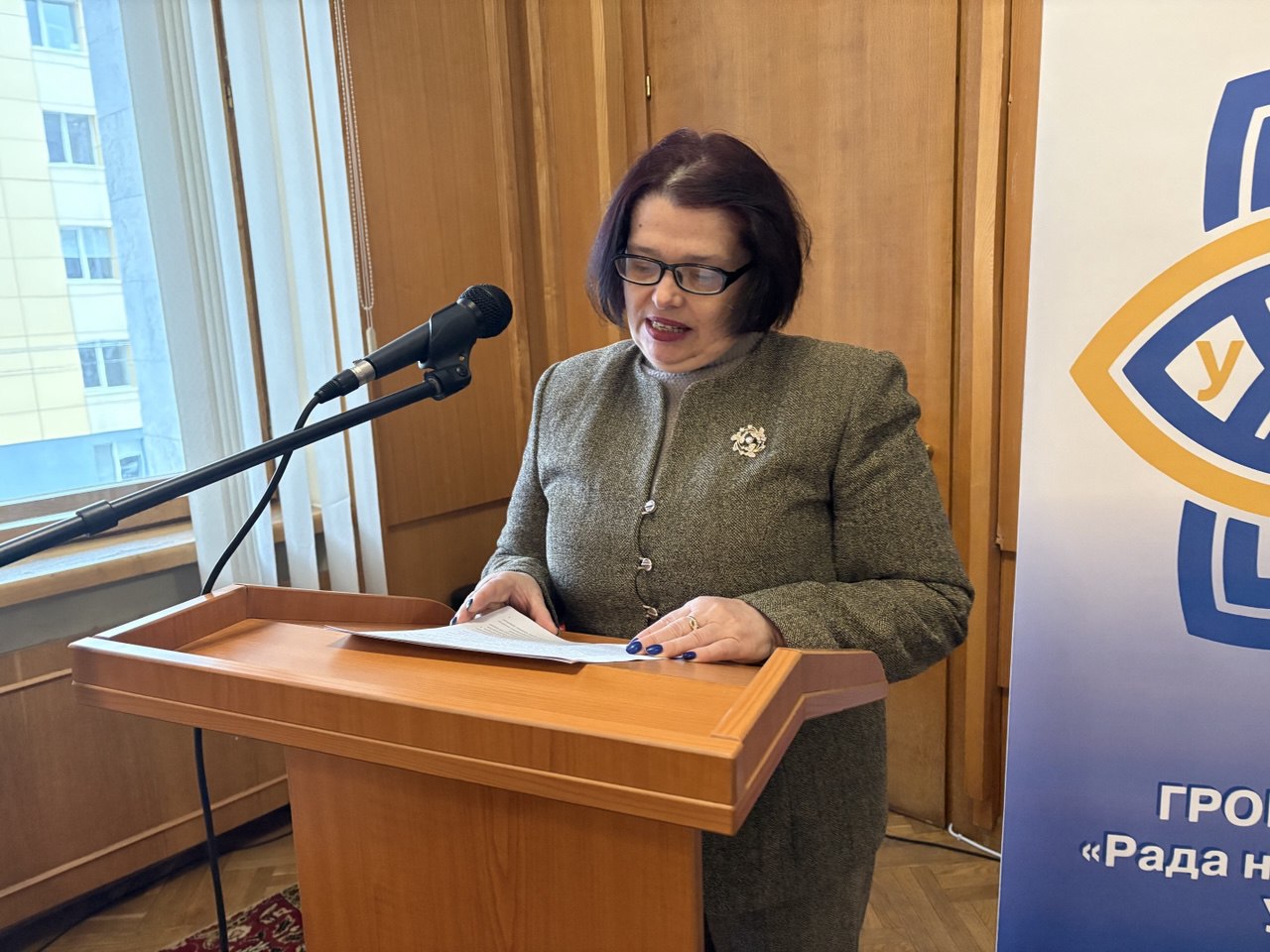
Sobornist is realized as a daily socio-political practice — through horizontal ties of solidarity, mutual aid, and citizen participation in defending the state and supporting its institutions. In this sense, sobornist emerges as a dynamic process of reproducing the political community rather than a once-and-for-all fixed state. It stands not only as a category of historical memory or an element of national myth but as a key analytical tool for studying state resilience, the logic of political consolidation, and the forms of survival of a national community during a prolonged war.
The participants of the event expressed their views on the importance of the unity of Ukrainian citizens in organizing resistance to the enemy invasion and focusing efforts on restoring the territorial integrity of our state.
On the Institute’s website (in the “Our Publications” section), is available the electronic version of the analytical report “The russian-ukrainian war as a conflict of identities, values and ideologies”.
The analytical report examines the main aspects of the ongoing Russian–Ukrainian war as a conflict of identities, values, and ideologies. By substantiating the differences between Ukrainian and Russian political cultures, as well as the value orientations and social practices of Ukrainian and Russian societies, the report identifies the key factors underlying Russian aggression against Ukraine. An analysis of ideological and identification processes in Russian and Ukrainian societies makes it possible to assess the prerequisites for Russian society’s propensity to wage war and the determination of Ukrainian citizens to offer resolute resistance in a military confrontation that is existential for Ukraine.
On the Institute’s website (in the “Our Publications” section), is available the electronic version of the analytical report “The Russian-Ukrainian War as a Conflict of Identities, Values, and Ideologies”.
The analytical report examines the main aspects of the ongoing Russian–Ukrainian war as a conflict of identities, values, and ideologies. By substantiating the differences between Ukrainian and Russian political cultures, as well as the value orientations and social practices of Ukrainian and Russian societies, the report identifies the key factors underlying Russian aggression against Ukraine. An analysis of ideological and identification processes in Russian and Ukrainian societies makes it possible to assess the prerequisites for Russian society’s propensity to wage war and the determination of Ukrainian citizens to offer resolute resistance in a military confrontation that is existential for Ukraine.
On the Institute’s website (in the “Our Publications” section), is available the electronic version of the analytical report “Ethnopolitical resilience of Ukraine”.
The crises accompanying the formation of the ethnopolitical system of modern Ukraine and its core subject – the Ukrainian nation – have paradoxically accelerated this process. The largest of such crises, caused by Russian aggression in 2014 and its full-scale escalation in 2022, is still ongoing. Its ultimate consequences are difficult to predict, yet doing so is both important and necessary.
The proposed analytical report provides a concise summary of the findings of the eponymous study on the ethnopolitical challenges of the war, as well as the challenges likely to arise when the power of arms gives way to the power of diplomacy. The authors’ versions of responses to these challenges may be useful to the institutions and officials of Ukraine’s ethnopolitical system, as well as to everyone for whom it is important that Ukrainian state and nation be resilient—and therefore successful.
On the Institute’s website (in the “Our Publications” section), is available the electronic version of the analytical report “Socio-political solidarity in Ukraine in the post-war period: forecast estimates”.
The analytical report contains a forward-looking analysis of problems that may affect the level of solidarity within Ukrainian society after the end of the Russian–Ukrainian war, in the context of Ukraine’s post-war reconstruction. It examines the readiness of the country’s political and institutional system to perform a consolidating role; analyzes potential lines of social group conflict; identifies the main strategic trajectories of development around which a national consensus may be formed; and offers a forecast of changes in the nature of public solidarity, outlining likely scenarios for this process. The report also considers the key causes and factors that may have a positive or negative impact on the level of cohesion between the authorities and citizens, in particular with regard to dialogue between them, the use of information resources to influence public consciousness, and countering external factors aimed at undermining social unity in Ukraine.
Scientific journal «POLITICAL STUDIES»
Новини

Оголошення

