
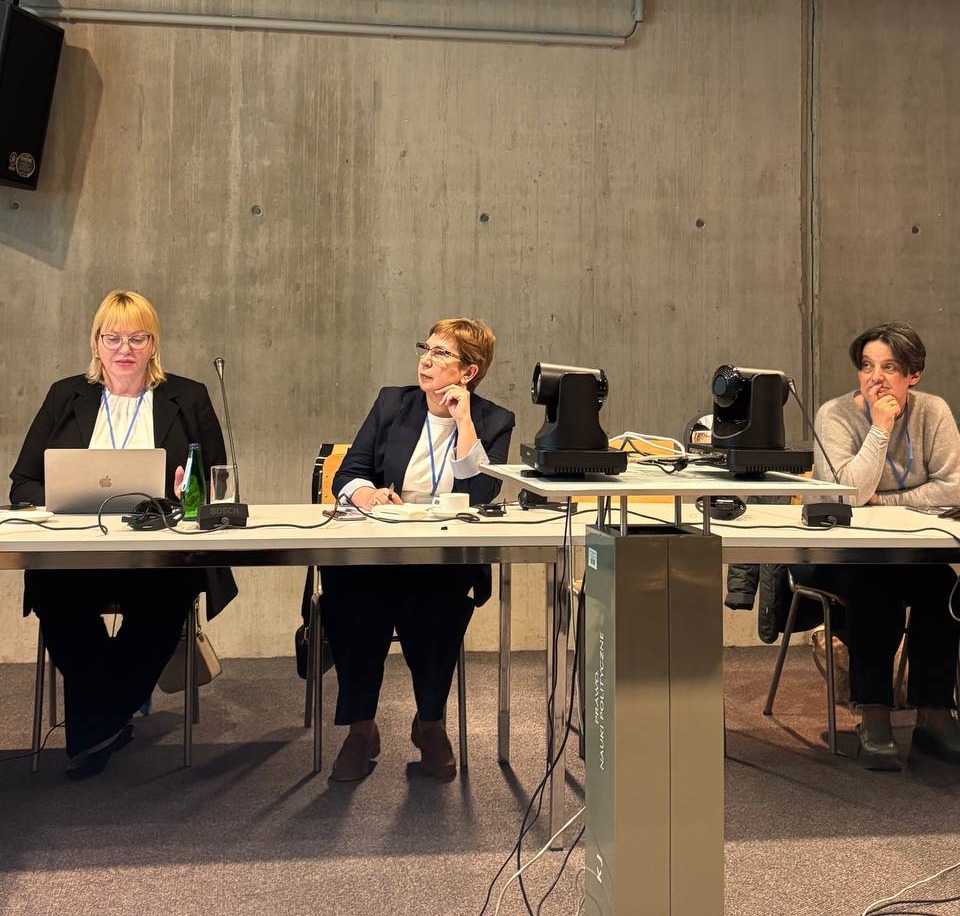
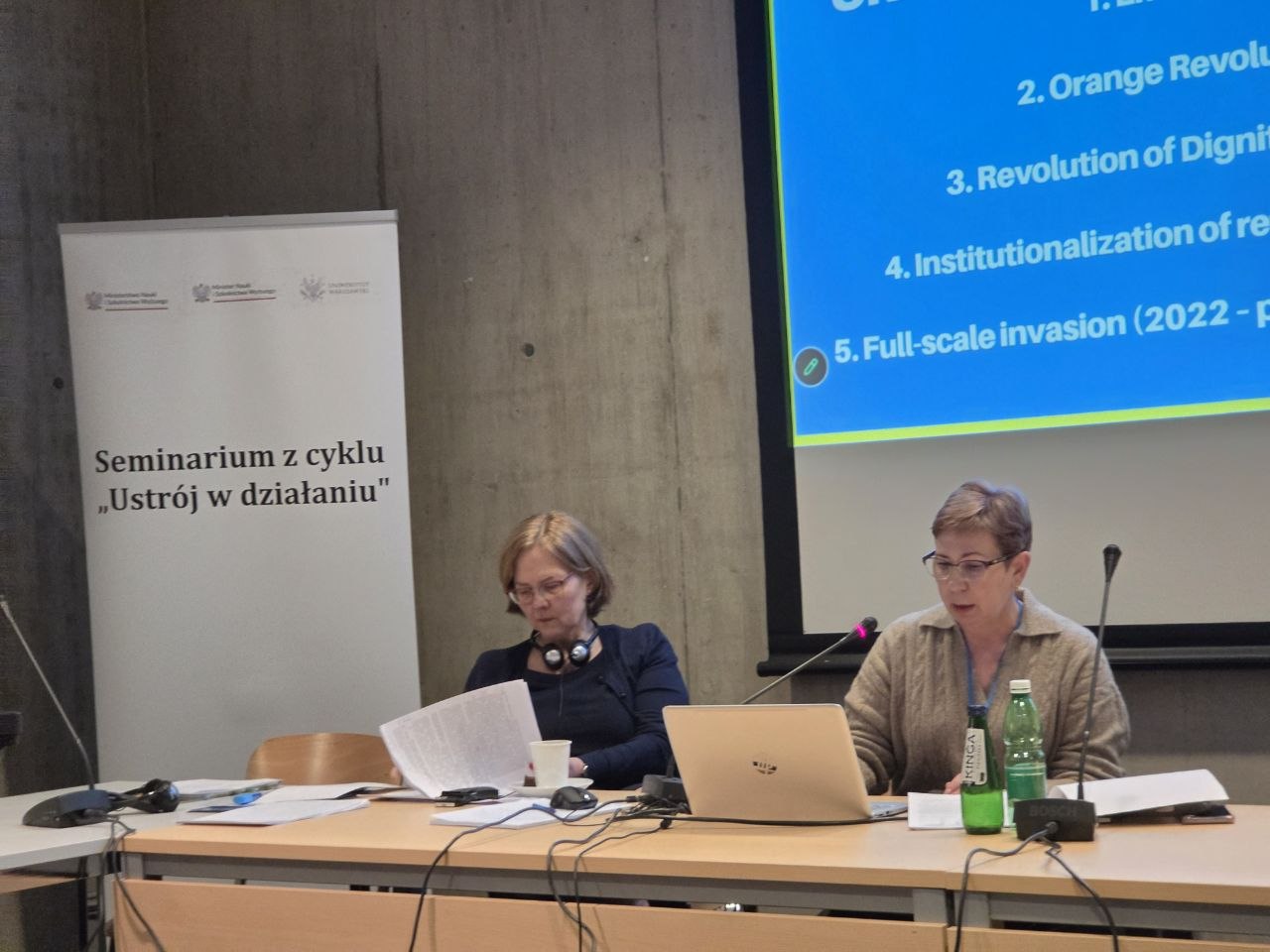
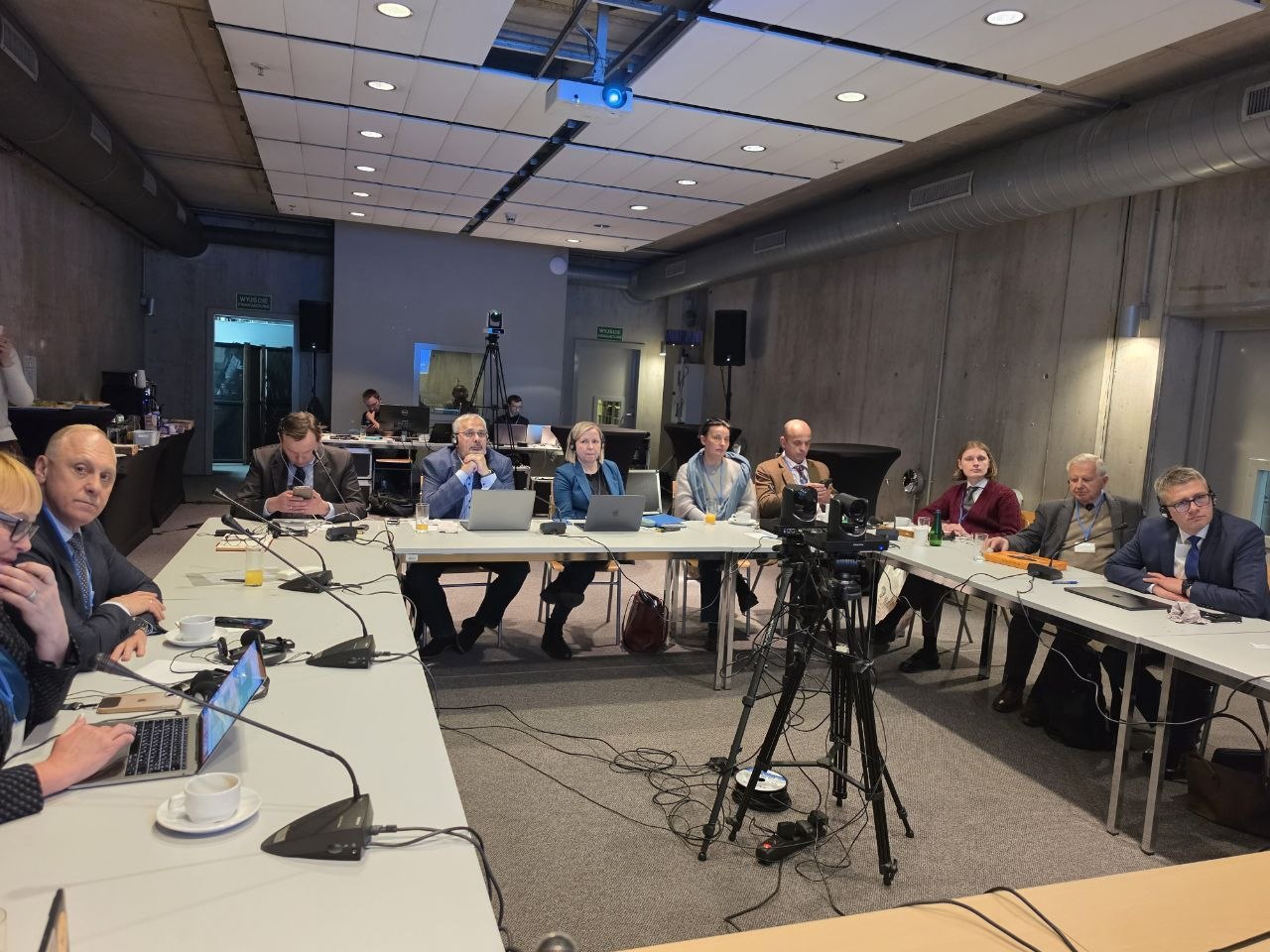
On May 7, 2026, the University of Warsaw (Republic of Poland) hosted another academic seminar within the framework of the “State System in Action” project, with the participation of the Deputy Director for Research, Professor Halyna Zelenko, as well as researchers from the Department of Political Institutions and Processes: Doctor of Political Sciences Tetiana Liashenko and Candidates of Political Sciences Nataliia Kononenko and Rostyslav Balaban.
The topic of discussion focused on anti-corruption mechanisms, the transparency of anti-corruption bodies, and access to public information. The Ukrainian presentation, entitled “The Evolution of the Institutional Architecture of Ukraine’s Anti-Corruption Policy: Development, Effectiveness, and Evaluation,” was delivered by Yuliia Kobets from Vasyl Stefanyk Precarpathian National University. The author noted that anti-corruption policy in Ukraine has evolved as a long-term process shaped by a combination of internal political transformations. Despite the institutional reforms introduced after 2014, corruption continues to affect public administration and the perception of Ukraine as a partner in reconstruction and European integration. The situation further deteriorated during the constitutional crisis of 2020, linked to the Constitutional Court’s decision restricting the powers of the National Agency on Corruption Prevention (NACP) and effectively abolishing electronic asset declarations. According to the speaker, by 2025 Ukraine had achieved noticeable progress in strengthening institutional capacity and improving transparency; however, problems of political interference, incomplete judicial reform, and growing war-related risks still persist.
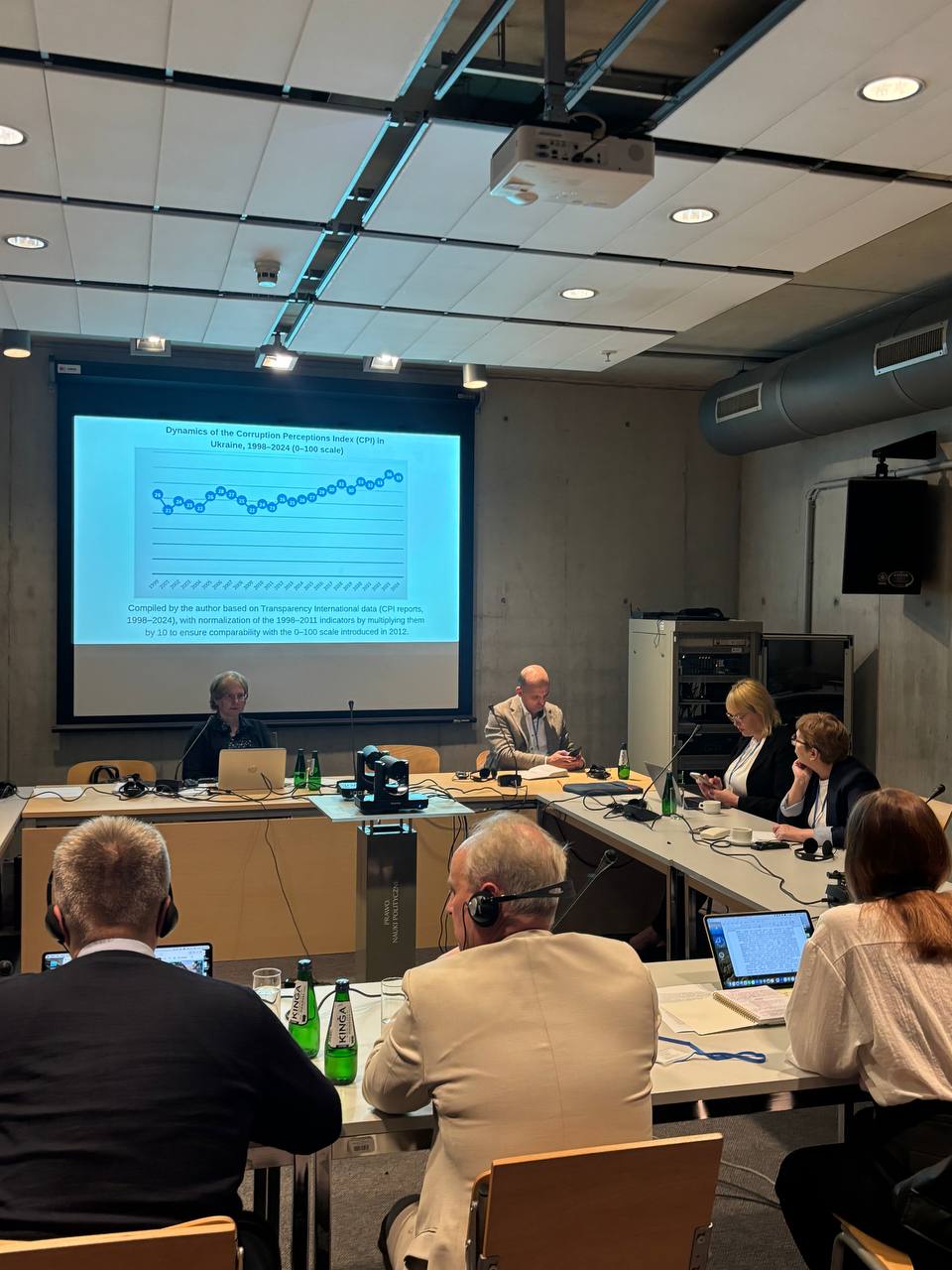
From the Polish side, Professor Mariusz Jabłoński of the University of Wrocław presented a report entitled “Openness of Information on the Functioning of Public Authorities and the Activities of Public Officials as a Guarantee of a Democratic State Governed by the Rule of Law.” The presentation focused on the right of access to public information in Poland as one of the key guarantees of a democratic state governed by the rule of law. The speaker emphasized that the system of transparency guarantees in Polish law is comprehensive and includes both the general right of access to information and specialized mechanisms (transparency of public finances, public procurement, competitive procedures, and asset declarations, etc.), which complement one another. According to Professor Jabłoński, the most effective instrument of civic oversight over public authorities remains the Act on Access to Public Information of September 6, 2001, which has fundamental importance. At the same time, administrative courts play a particularly significant role in the development of the right to information by protecting the principle of maximum openness and limiting the possibility of unjustified refusals to provide information. The author stressed that transparency in the activities of public authorities and persons performing public functions is a key element in preventing corruption, increasing citizens’ trust in the state, and strengthening the principles of a democratic state governed by the rule of law.
Following the presentations, participants engaged in a discussion on ways to combat corruption risks, the role of courts—especially administrative courts—in developing the right to information, and the transparency of asset declarations in both Ukraine and Poland.
On May 4–5, 2026, the international conference Integrated Strategic Analysis for Ukraine Conference was held in Bucharest, bringing together leading security experts, analysts, and representatives of state institutions from the United States, the United Kingdom, Italy, Romania, and Ukraine. The event took place at the Romanian Ministry of Defense and served as another platform for discussing current security challenges and exploring joint strategic solutions in the context of growing global instability.
At the conference, Deputy Director for Research, Professor, Corresponding Member of the National Academy of Sciences of Ukraine G. I. Zelenko delivered a presentation titled “Who Are Ukrainians Today? Identity, War, and the Future.” In her presentation, the researcher, drawing on sociological survey data, outlined the dynamics of changes in civic and political identities under the impact of the full-scale war. She also substantiated how the strengthening of civic and political identity translates into societal self-organization, including volunteerism, the reinforcement of the European vector of foreign policy, and the rethinking of relations with the state.
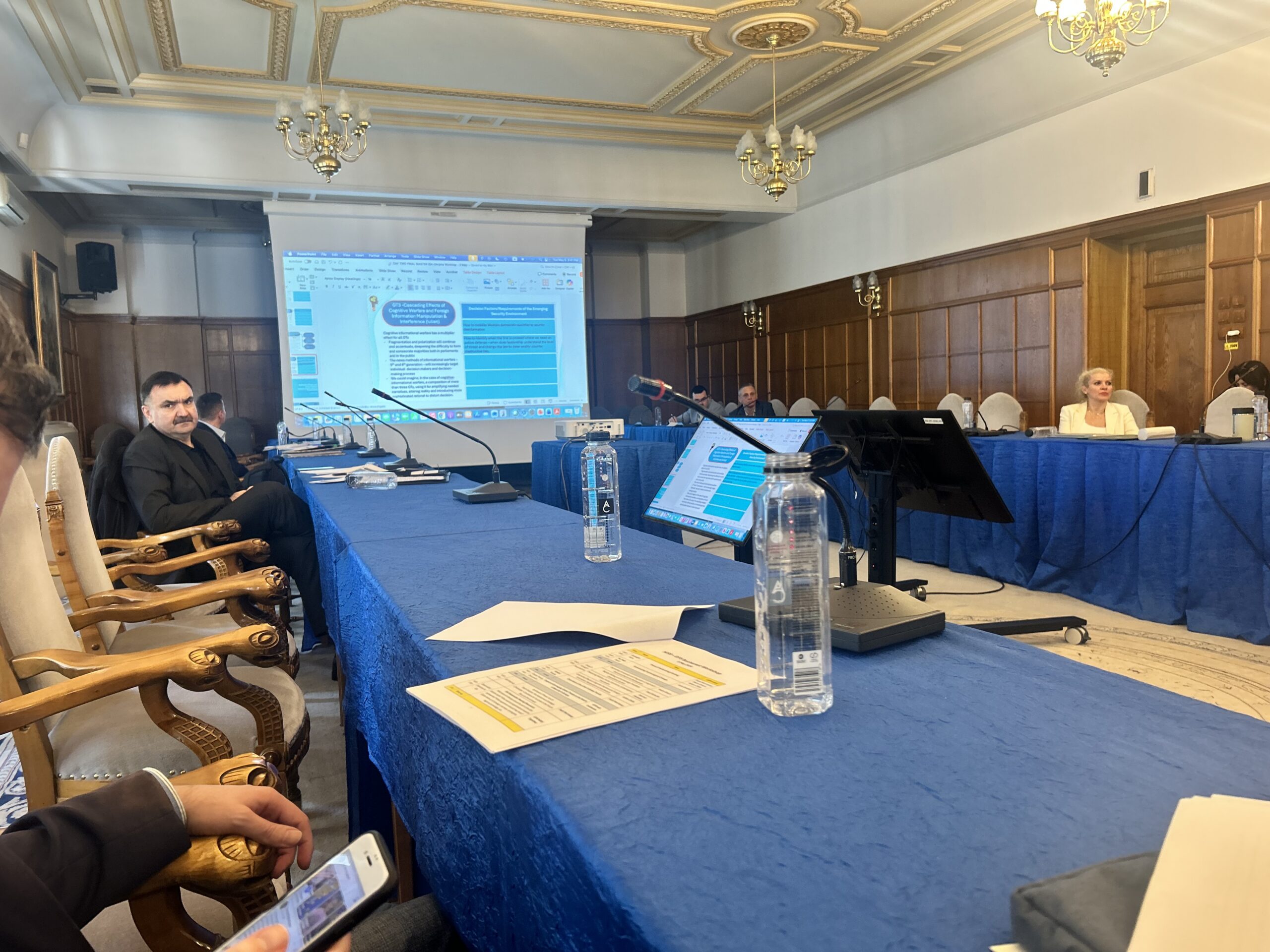
The conference became an important platform for the exchange of experience between international partners and Ukrainian experts, and contributed to a deeper understanding of the Ukrainian context among Western specialists. The discussions held during the event demonstrated a high level of interest from the international community in supporting Ukraine and jointly developing security strategies in Europe.
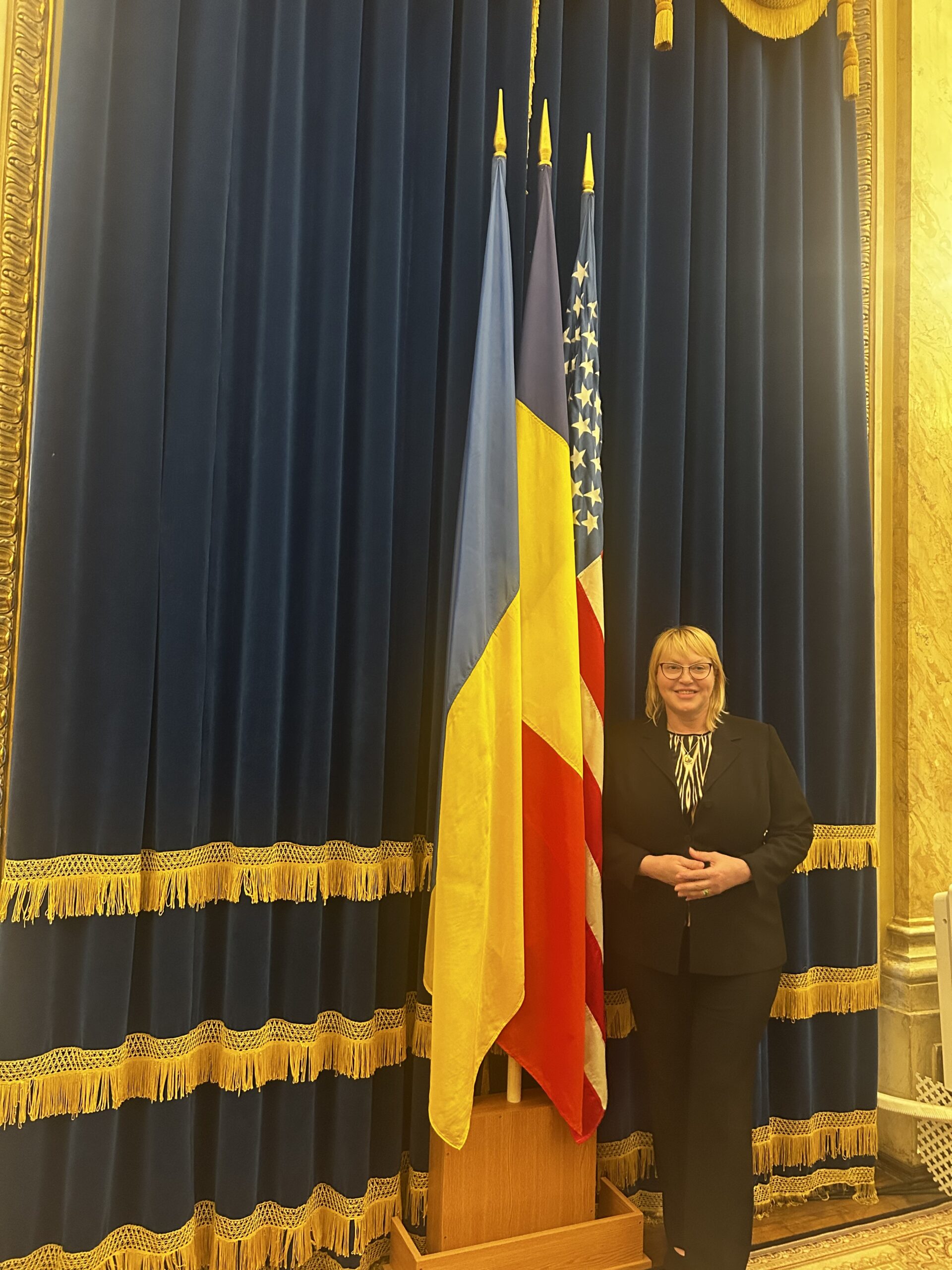 INTERNATIONAL CONFERENCE IN BUCHAREST
On April 27, Mykola Riabchuk, a principal research fellow in the Department of Political Culture and Ideology, took part in a two-day Polish-Ukrainian forum titled “Paths to Ukraine’s Recovery: Security and Defense Dimensions”, where he participated in a panel discussion with Łukasz Adamski, a renowned expert on Polish-Ukrainian relations and deputy director of the J. Mieroszewski Center. The forum organizers framed the topic of the discussion as “Beyond Social Media: Preliminary Findings from Public Opinion Surveys in Poland and Ukraine after 2022.” Both speakers agreed that over the past four years, mutual attitudes between Poles and Ukrainians have noticeably deteriorated, with this deterioration being particularly notable on the Polish side.
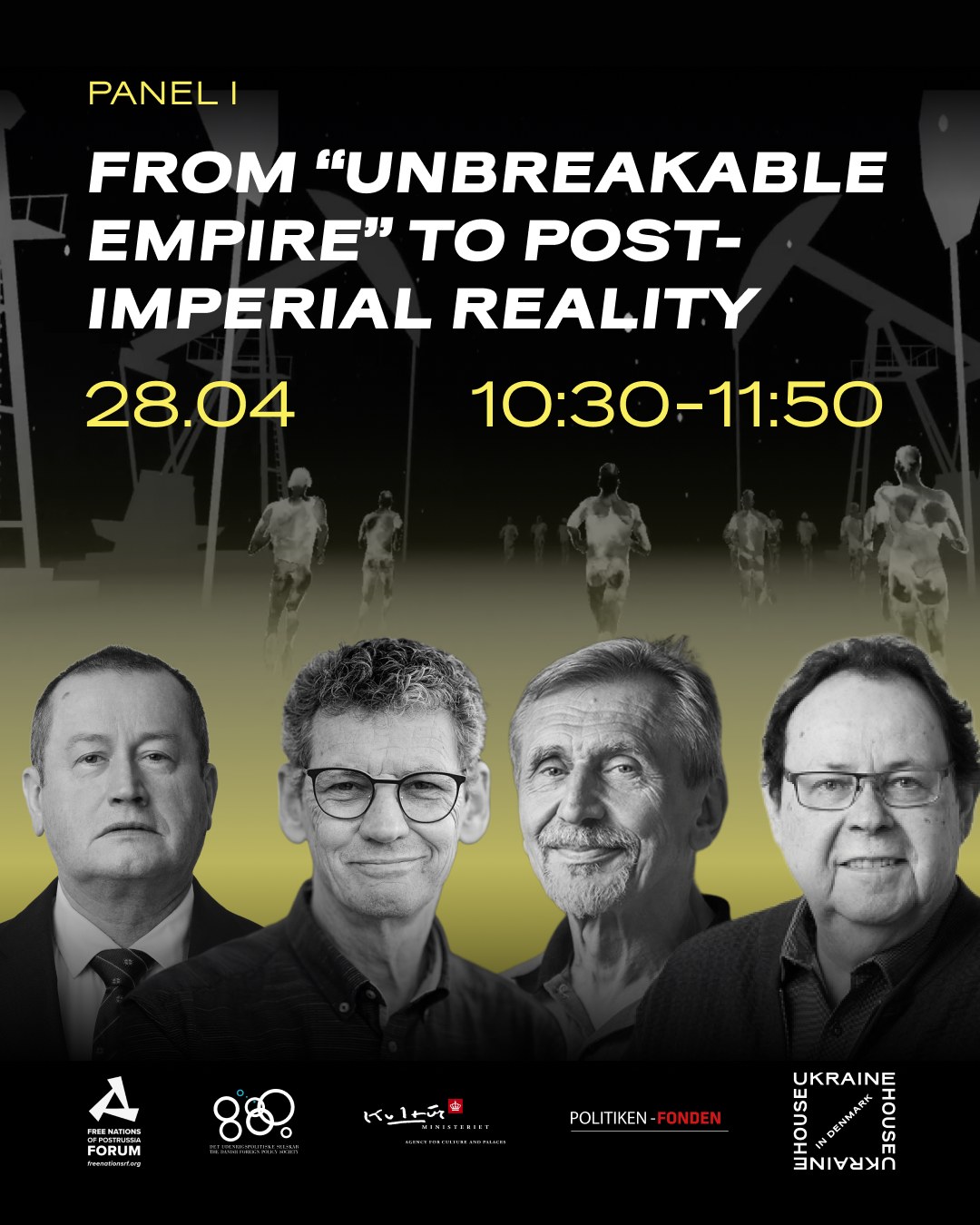
Despite the truly significant role played by Russian online propaganda in this deterioration, and despite a certain disappointment felt by Poles and Ukrainians toward one another following the euphoria of spring 2022, the main reason for the rapid deterioration on the Polish side (whereas on the Ukrainian side it is minimal) lies, according to the Ukrainian scholar, in deep-seated Polish resentments, postcolonial traumas, and a complex of the eternal innocent victim, to whom everyone is guilty and responsible, while she herself owes nothing to anyone. This is precisely why Russian propaganda proves so effective here—far more effective than anti-Polish propaganda in Ukraine—because it falls on fertile psychological ground. Both Poles and Ukrainians have their own prejudices and stereotypes, but these can only be overcome through honest dialogue—through awareness and acknowledgment, rather than one side’s unconditional and unconstrained condemnation of the other.
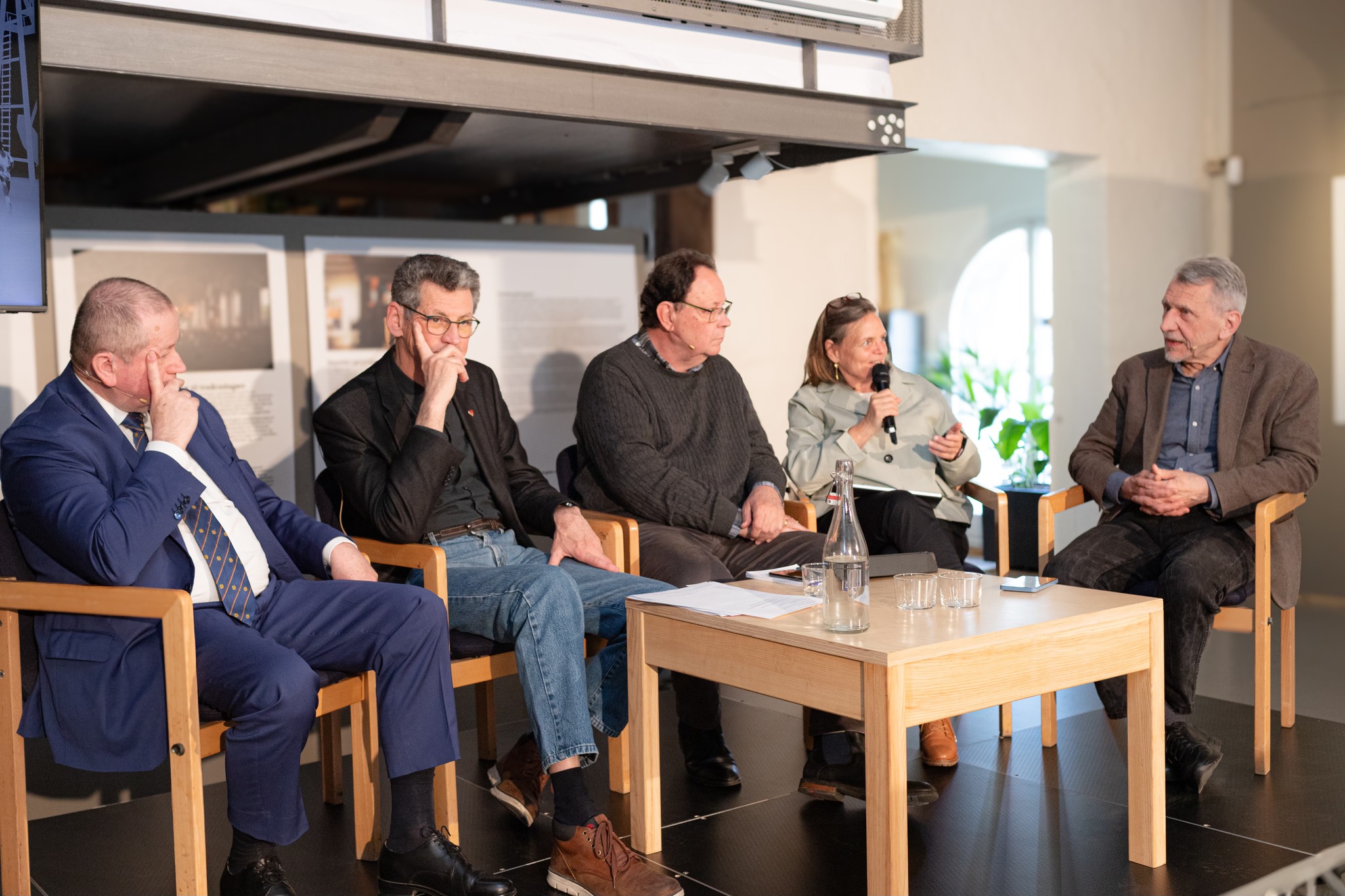
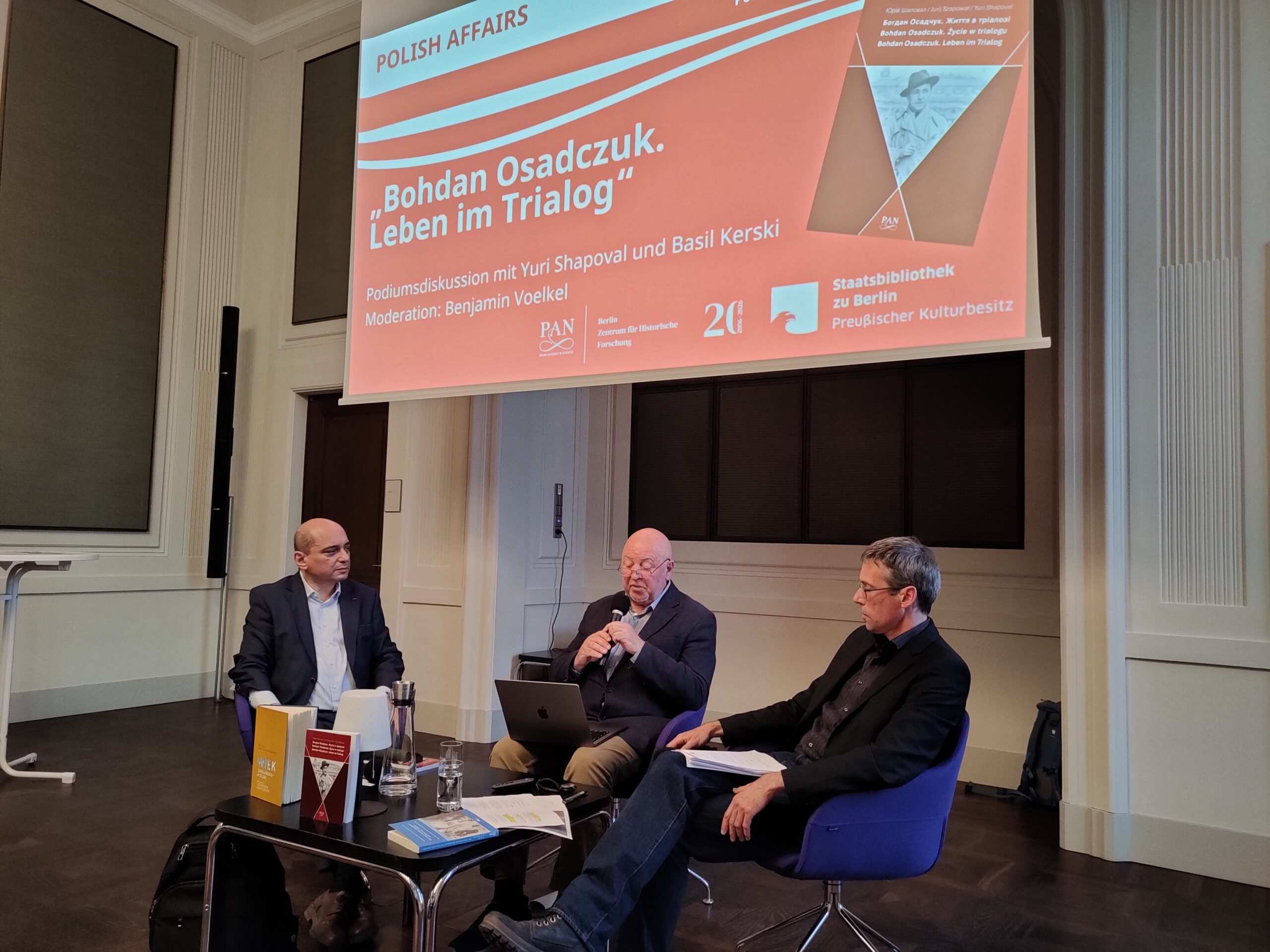
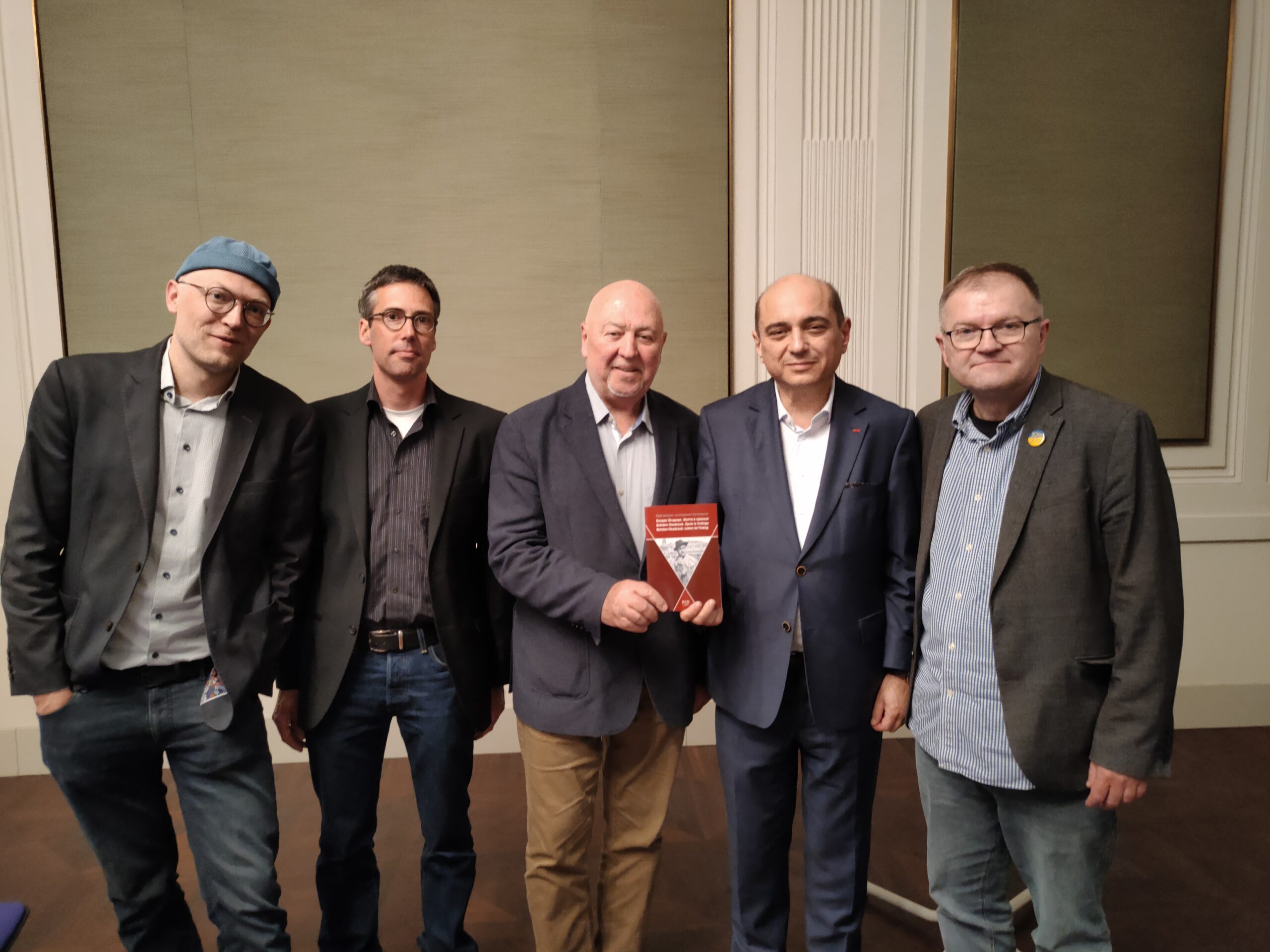
On April 22, 2026, the State Library of Berlin (Staatsbibliothek zu Berlin, Unter den Linden 8) hosted the presentation of the book “Bohdan Osadchuk. A Life in Anxiety” by Yurii Shapoval, a chief researcher of our institute, Doctor of Historical Sciences, and Professor. The publication was initiated by the Center for Historical Research of the Polish Academy of Sciences in Berlin and is part of the “Ukraine-Poland-Germany. Triangle of Dialogue” series. The book contains text in German, Polish, and Ukrainian. The research is dedicated to Bohdan Osadczuk (1920-2011), a journalist and scholar, and a professor at the Free University of Berlin. Born in Kolomyia, Osadczuk lived in Berlin for 70 years. Thanks to his fluency in Polish, German, and Ukrainian (he spoke and wrote them freely), he became a “man of the borderland” who, through his publications and speeches, united Poland, Germany, and Ukraine.
He prepared many important texts in German, which were published in the most influential periodicals of West Germany and Switzerland. His scientific and journalistic work as a renowned analyst of events in the countries of the “socialist camp” and the Soviet Union during the Cold War became part of the canon of Sovietology and remains relevant in many aspects today. Thanks to his many years of cooperation with Jerzy Giedroyc, the head of the Literary Institute in Maisons-Laffitte (France) and editor of the magazine “Kultura,” Osadczuk made an enormous contribution to the cause of Polish-Ukrainian understanding and reconciliation.
The book presentation took the form of a discussion event, which featured Basil Kerski, a former postgraduate student of Bohdan Osadczuk at the Free University of Berlin and currently the president of the “House of the History of North Rhine-Westphalia” Foundation (Stiftung Haus der Geschichte Nordrhein-Westfalen). The life and activities of Bohdan Osadczuk sparked great interest and numerous questions from the audience, which included Germans, Poles, and Ukrainians.
On April 21, 2026, the Educational and Scientific Institute of Public Administration and Civil Service of Taras Shevchenko National University of Kyiv hosted the annual International Scientific and Practical Conference “Globalization Challenges: Governance of the Future”.
The event brought together leading scientists, experts, and practitioners to discuss strategies for adapting state institutions to the conditions of global instability. The work of the third section, dedicated to the mechanisms of modern governance, attracted particular attention from the participants.
Tetiana Bevz, Doctor of Historical Sciences, Professor, and Chief Research Fellow at the Kuras Institute of Political and Ethnic Studies of the National Academy of Sciences of Ukraine, delivered a report entitled “Public Governance in Times of Turbulence: Policy Implementation Mechanisms and Factors of National Consolidation”.
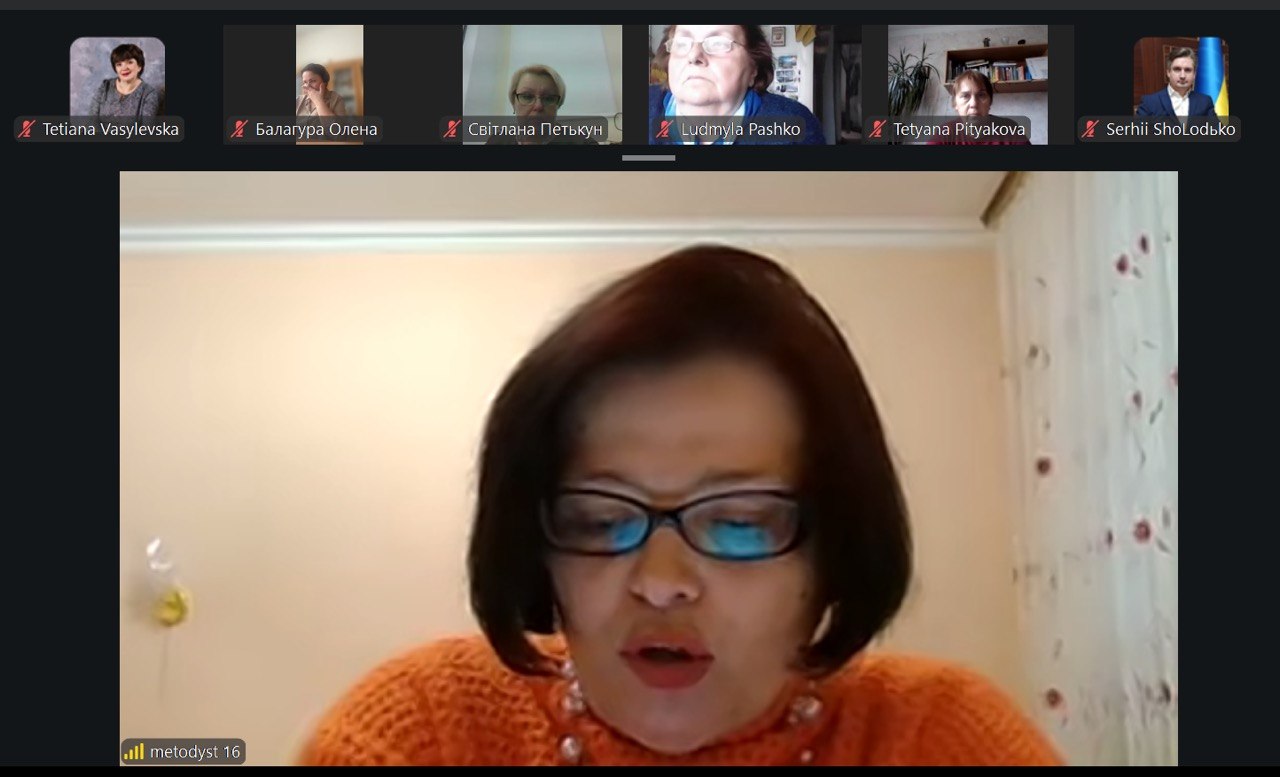
In her speech, Professor Tetiana Bevz analyzed the phenomenon of “polycrisis” – a state where security, economic, and social shocks overlap, creating a cascading destructive effect. According to the speaker, traditional bureaucracy proves ineffective in such conditions, and the institutional resilience of the state must rely on two basic vectors: administrative adaptability and national consolidation. To achieve this, the state must abandon rigid hierarchies in favor of flexible models: Agile governance with short decision-making cycles, decentralization of communities as autonomous “buffers of resilience,” and total digitalization to ensure the continuity of government through cloud technologies. However, these managerial mechanisms are effective only in the presence of strong social capital, the foundation of which is institutional trust that minimizes the costs of state coercion, transparent strategic communications to counter psychological operations (PSYOPs), and network governance that unites the efforts of the authorities and civil society into a powerful partnership synergy.
The discussion of the report sparked a lively debate among the conference participants, confirming the relevance of an interdisciplinary approach to solving the problems of modern state-building.
On the Institute’s website (in the “Our Publications” section), is available the electronic version of the monograph “Political aspects of teachings of Transcarpathian hasidic leaders in the 20 th century: mysticism and modernism”.
The monograph analyzes the political aspects of the teachings of 20th-century Transcarpathian Hasidic leaders and their practical implementation. This activity combined the traditional political agenda, formed during the emergence of Hasidism, with a specific reaction by the movement’s leaders to the challenges of the modern era. The author argues that certain concepts, which appear archaic at first glance, possess modern content, while others, despite their modern form, gravitate towards traditionalism.
The study is conducted based on the hypothesis that Hasidic doctrine constitutes a distinct source of political thought. Particular attention is paid to explaining how the development of political thought contributed to the preservation of the Hasidic movement in the modern world. Transcarpathia was destined to become one of the leading centers for the formation of the ideology of Orthodox Judaism that remains dominant to this day. Intended for political scientists, religious studies scholars, historians, and specialists in Jewish studies.
On April 10, 2026, in the city of Przemyśl, researchers from the I. F. Kuras Institute of Political and Ethnic Studies of the National Academy of Sciences of Ukraine held a meeting with Jan Bartmiński, an economist and representative of local self-government. The event took place במסגרת the tenth seminar “State System in Action.”
The main topics of discussion included the organization and functioning of local self-government in Poland, as well as the experience of developing cross-border cooperation within the Carpathian Euroregion. Participants examined mechanisms of coordination between local self-government bodies of neighboring states, the role of euroregional structures in strengthening good-neighborly relations, and the potential of such formats for the post-conflict recovery of Ukraine’s border areas.
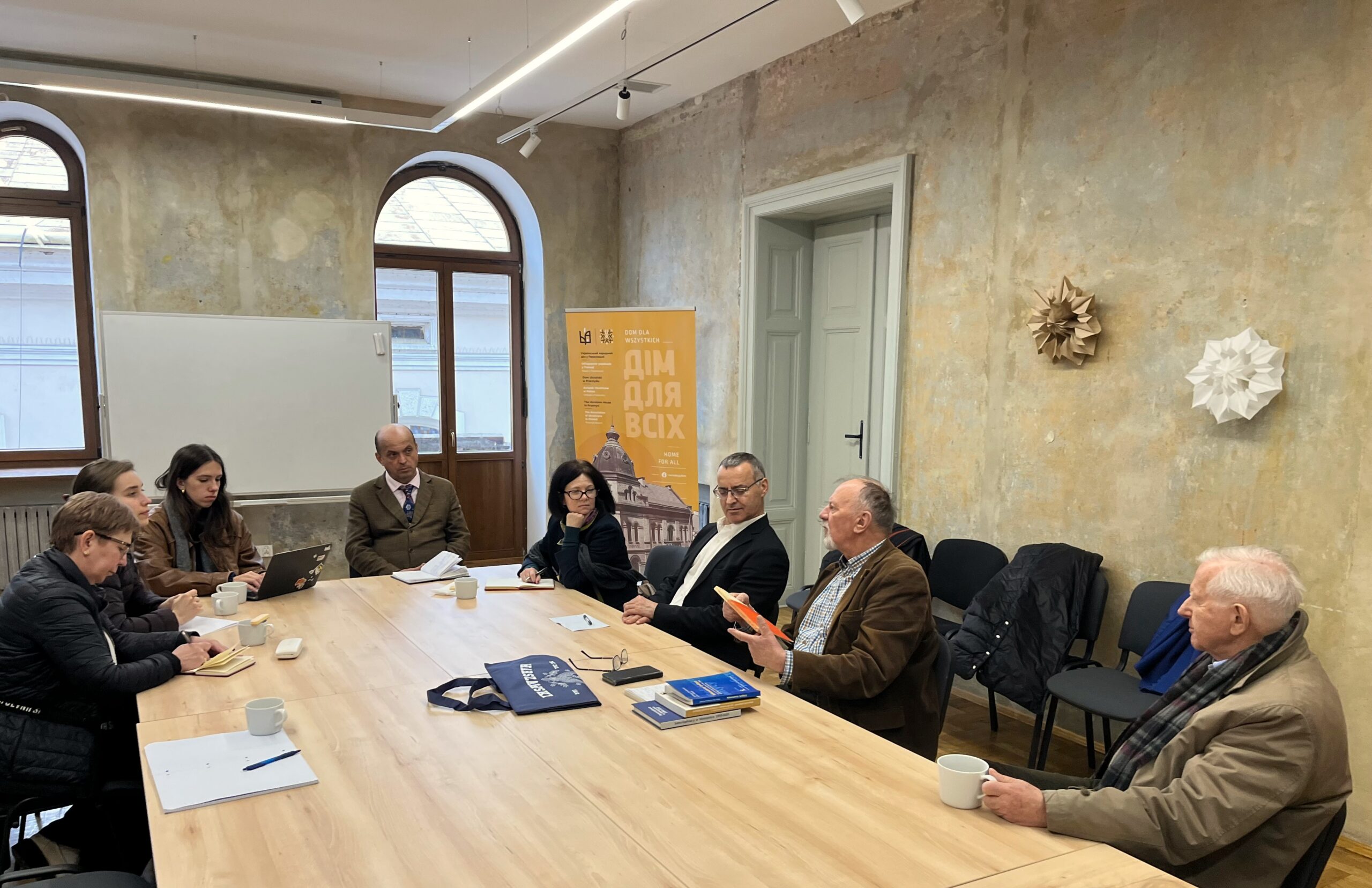
The discussion of the Polish experience in local self-government provided important practical insights. The Polish model, which combines the autonomy of communities in addressing local issues with clear mechanisms of intermunicipal coordination and financial capacity, is of significant interest in the context of Ukraine’s ongoing reforms. Participants emphasized that adapting this experience—taking into account the specific features of border regions—could substantially contribute to restoring the effectiveness of local self-government in Ukraine both during the war and in the post-war period.
The meeting in Przemyśl was the final event במסגרת the tenth seminar “State System in Action” within the framework of the research visit of the Institute’s delegation to Poland and confirmed the importance of deepening Ukrainian-Polish academic cooperation in the field of public administration and regional development.
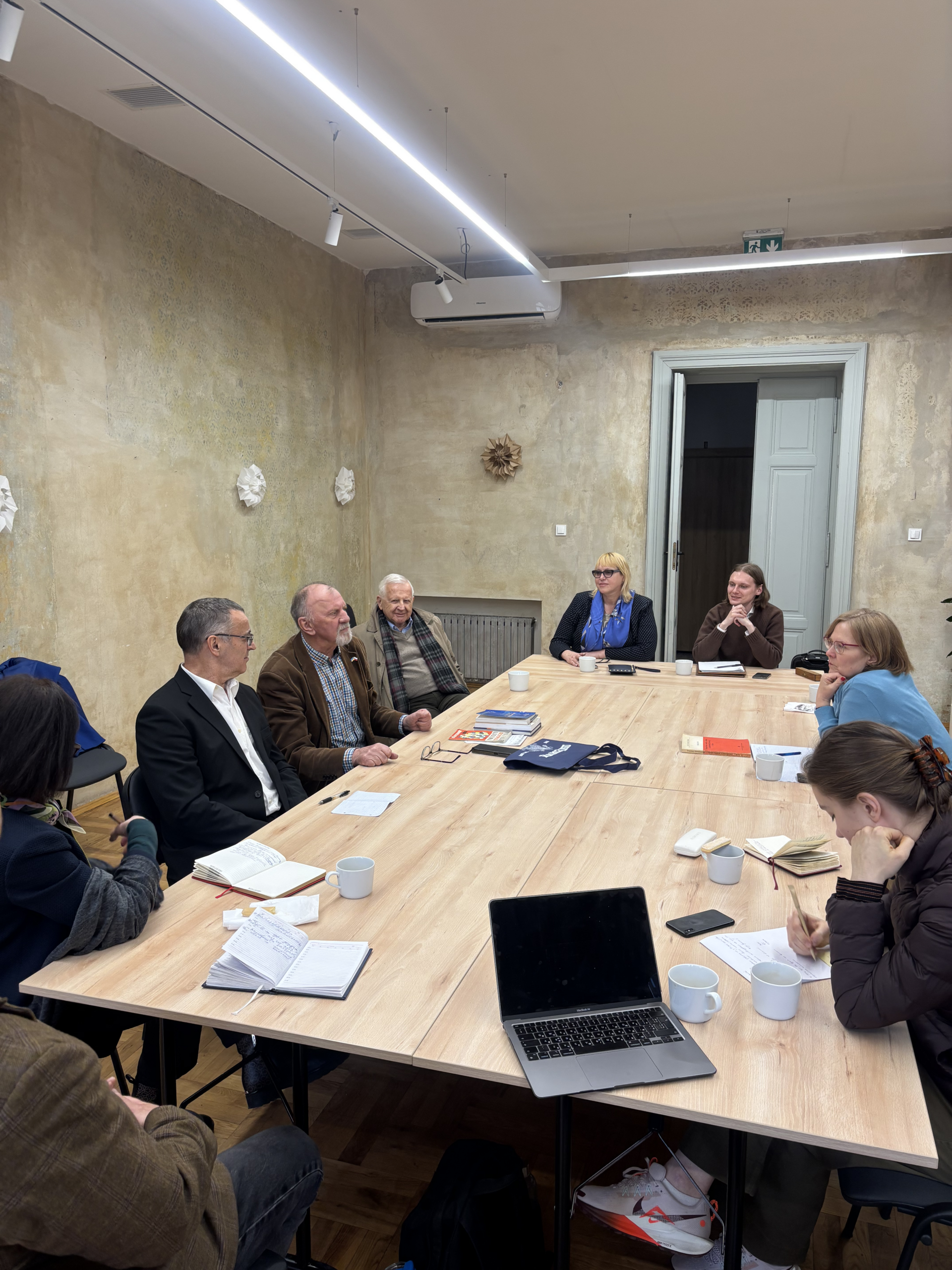
The event was attended by members of the Department of Political Institutions and Processes of the I. F. Kuras Institute of Political and Ethnic Studies of the National Academy of Sciences of Ukraine, including Doctor of Political Sciences, Corresponding Member of the NAS of Ukraine Galyna Zelenko; Doctor of Political Sciences Tetiana Liashenko; as well as Candidates of Political Sciences Nataliia Kononenko, Svitlana Stynyk, Rostyslav Balaban, Svitlana Brekharia, and Ihor Symysenko.
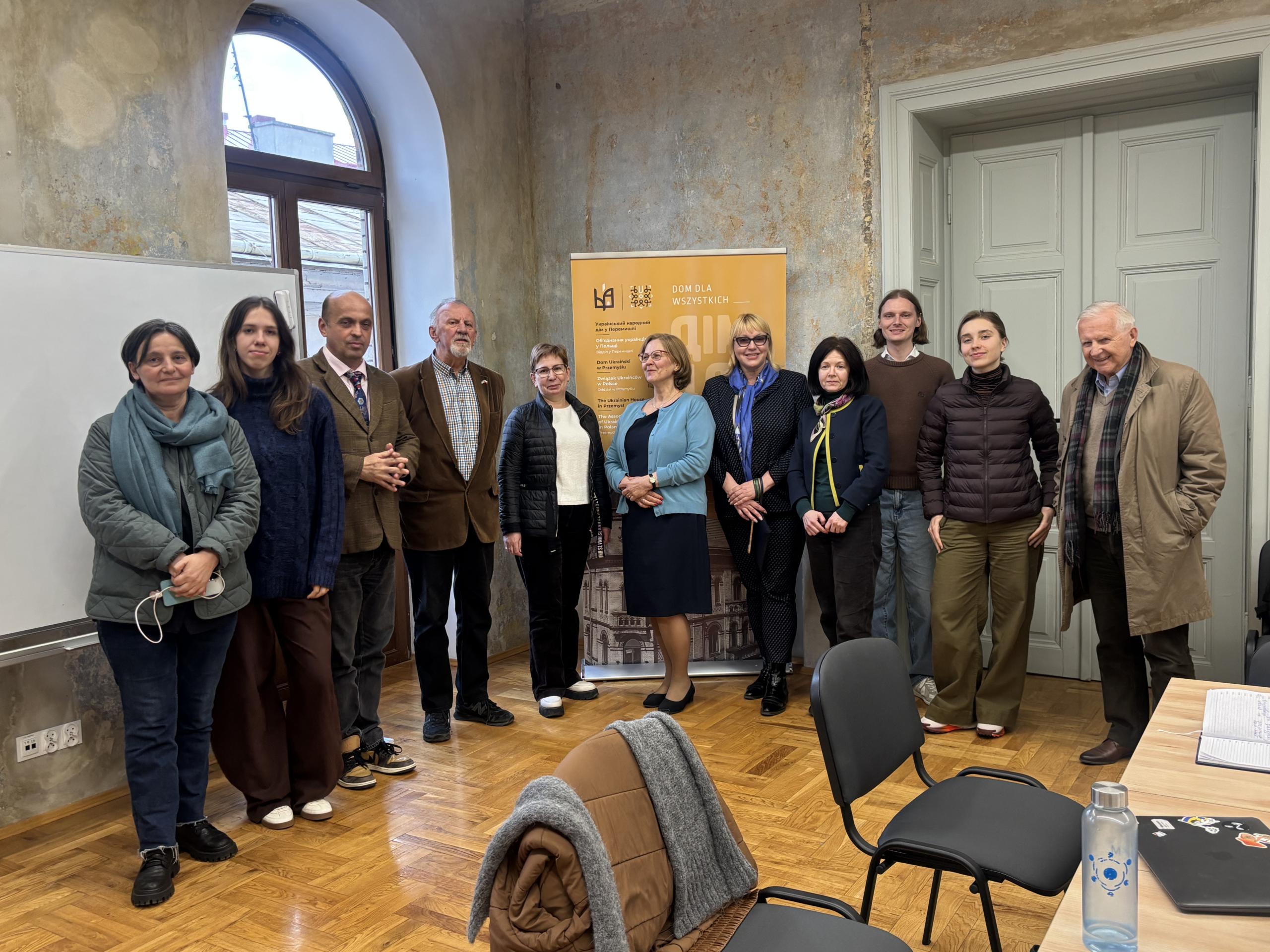
On April 10, 2026, a working meeting took place in the city of Rzeszów between researchers of the Kuras Institute of Political and Ethnic Studies of the National Academy of Sciences of Ukraine and Jan Rokita, a politician and publicist who served as Chair of the Parliamentary Committee on Internal Affairs and Administration (1991–1993 and 1997–2005). The event was held within the framework of the tenth seminar “State Structure in Action.”
During the meeting, key aspects of Poland’s state system reforms implemented over the past decades were discussed, along with their impact on the system of local self-government. Particular attention was paid to the experience of decentralization, the distribution of powers between central and regional authorities, as well as mechanisms for involving communities in public policymaking.
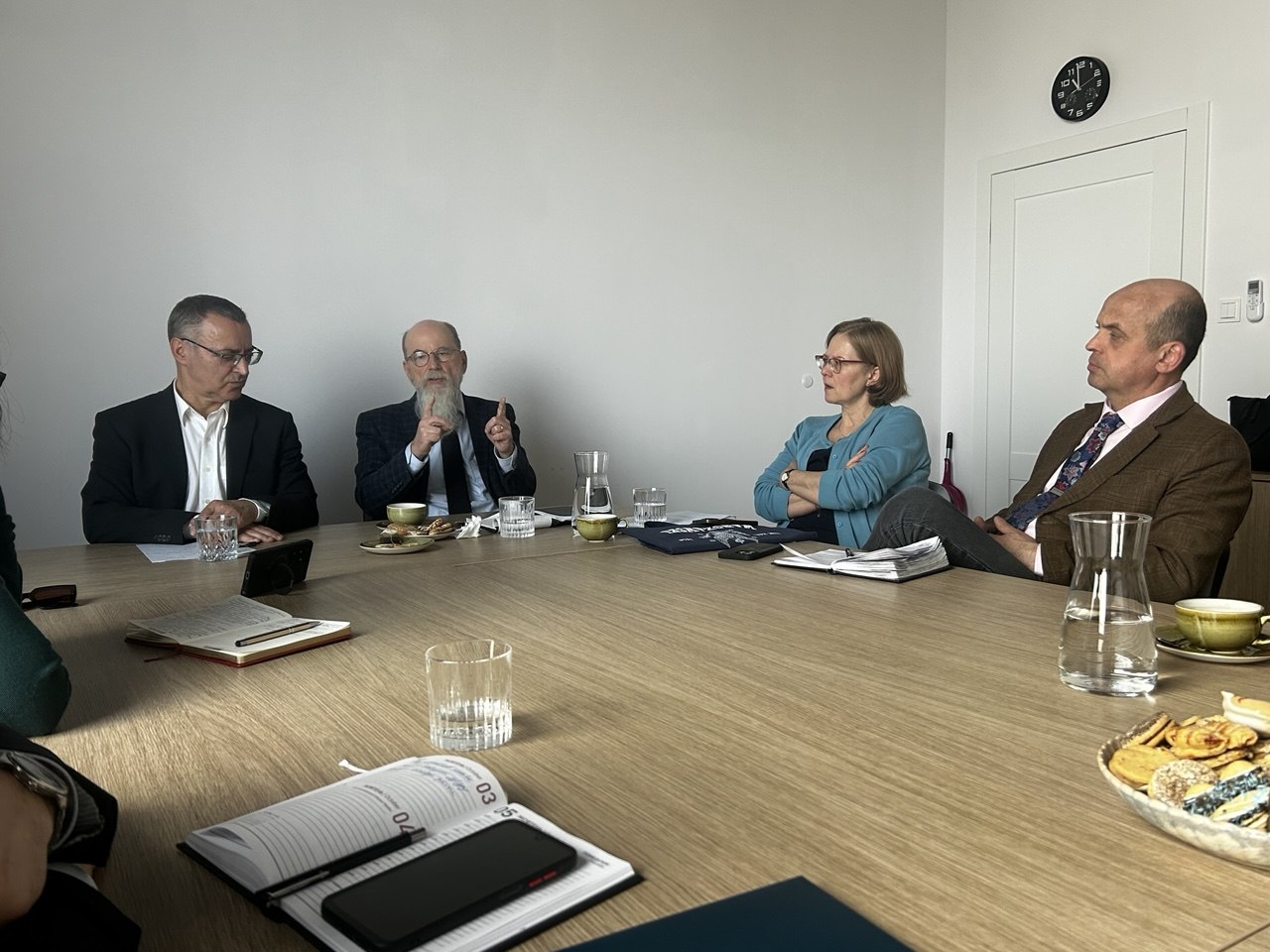
The meeting with Jan Rokita confirmed the relevance of the Polish experience for Ukraine, which is currently undergoing an active reassessment of models of territorial governance. Poland’s local government reform of the 1990s, which laid the foundations for effective decentralization and strengthened community capacity, can serve as an important reference point for Ukraine—taking into account both its achievements and the challenges faced by Polish society during its implementation.
The event was attended by staff members of the Department of Political Institutions and Processes of the Kuras Institute of Political and Ethnic Studies of the NAS of Ukraine, including Doctor of Political Sciences and Corresponding Member of the NAS of Ukraine Galyna Zelenko, Doctor of Political Sciences Tetiana Liashenko, as well as Candidates of Political Sciences Nataliia Kononenko, Svitlana Sytnyk, Rostyslav Balaban, Svitlana Brekharia, and Igor Symysenko.
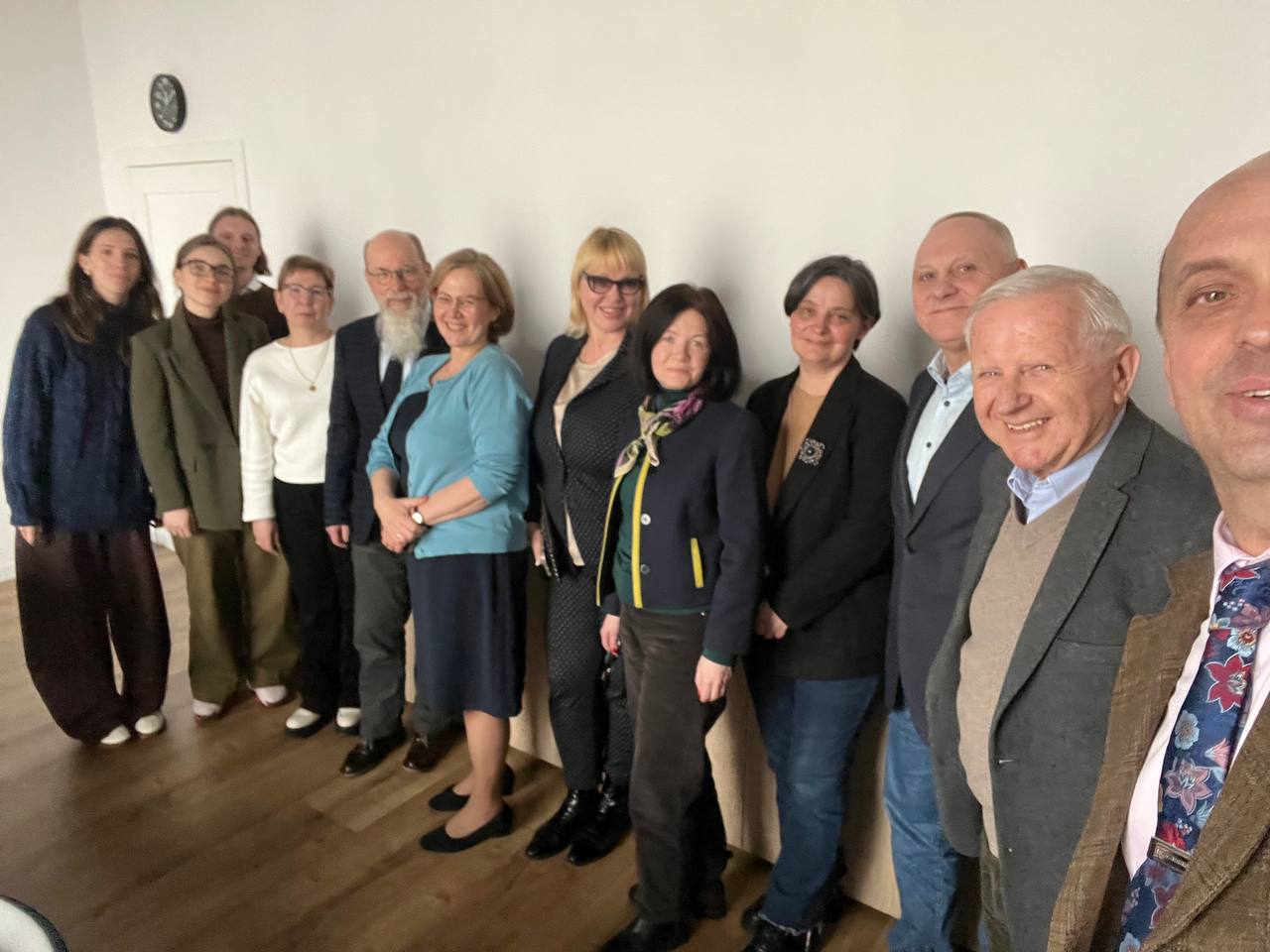
On April 9, 2026, the tenth academic seminar was held, devoted to the issue of the resilience of the human rights protection system and the functioning of civil society in Poland and Ukraine. The event took place within the framework of the project “State System in Action,” funded by the Ministry of Education and Science of the Republic of Poland.
During the seminar, three academic presentations were delivered.
Resilience of the Human Rights Protection System in Poland
Prof. Monika Florczak-Wątor (Jagiellonian University) argued that the system of human rights protection in Poland has not collapsed but has undergone a process of transformation. She referred to theoretical approaches to constitutional resilience, particularly the concept developed by Christoph Grabenwarter, who defines resilience as the ability of a constitution and constitutional institutions to withstand and respond to crises and threats to democracy, the rule of law, and judicial independence. The position of András Jakab was also mentioned, according to whom constitutional resilience means the system’s capacity to resist attempts to undermine its core elements and depends not only on legal design but also on the political and social context.
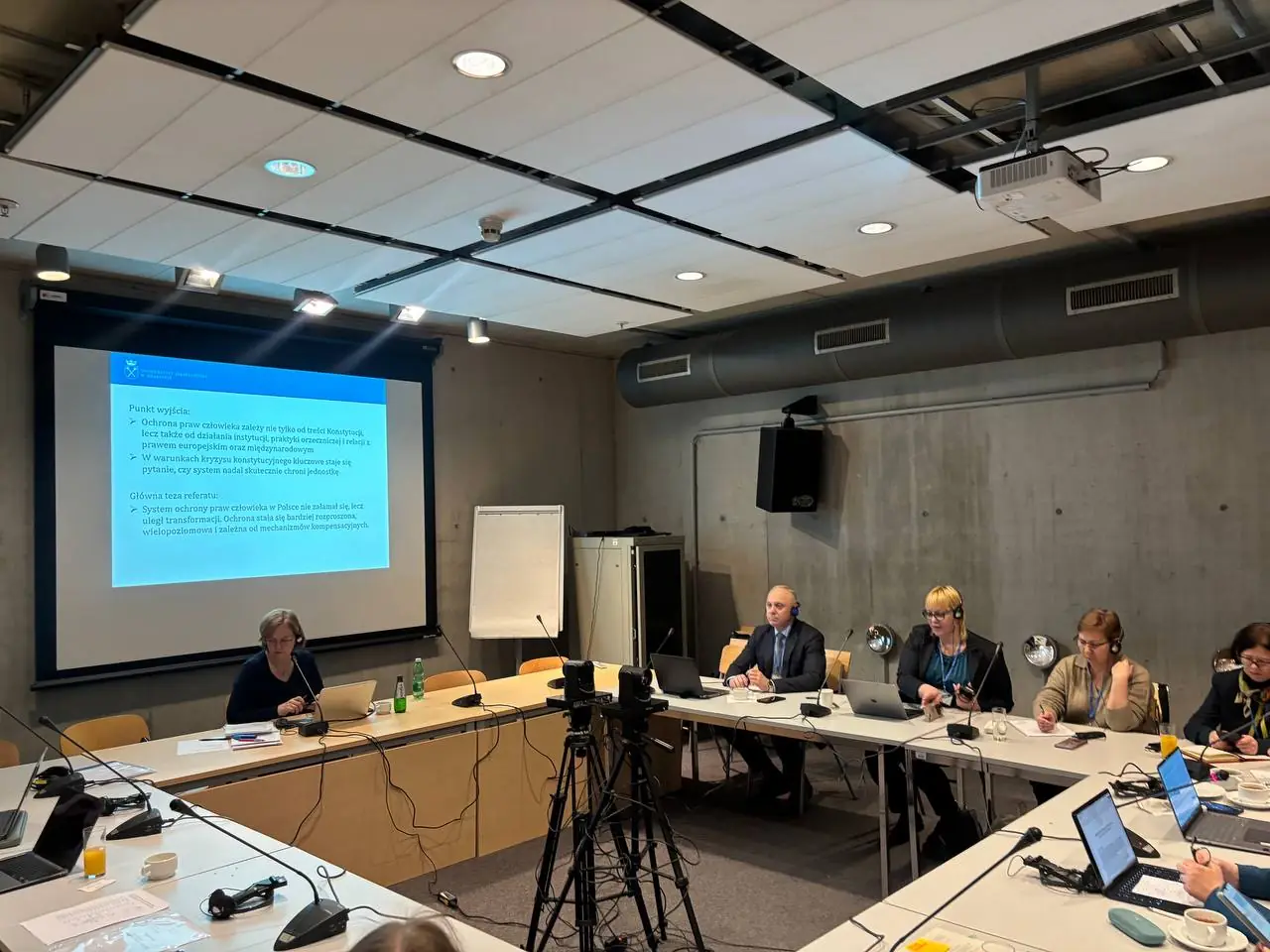
In the subsequent part of her presentation, the speaker analyzed the consequences of the crisis of the Constitutional Tribunal, which led to the shifting of the main burden of human rights protection to ordinary courts and the Supreme Court. As a result, the system currently functions in a less coherent and less predictable manner than in the classical constitutional model. It was emphasized that although compensatory mechanisms allow for maintaining a certain level of protection, their long-term use cannot be considered a sufficient solution.
During the discussion, particular attention was paid to the scale of the constitutional crisis and its impact on the functioning of state institutions. It was stressed that even a crisis affecting a single key institution may have systemic consequences, and that the long-term effectiveness of the system requires the restoration of fundamental constitutional guarantees.
Civil Society in Poland
The second presentation, delivered by Ryszard Balicki (Poznań University), focused on the development and functioning of civil society in Poland. The speaker emphasized that its development took place under specific historical conditions, different from those of Western European countries. A special role was played by the “Solidarity” movement, which united millions of citizens in the 1980s.
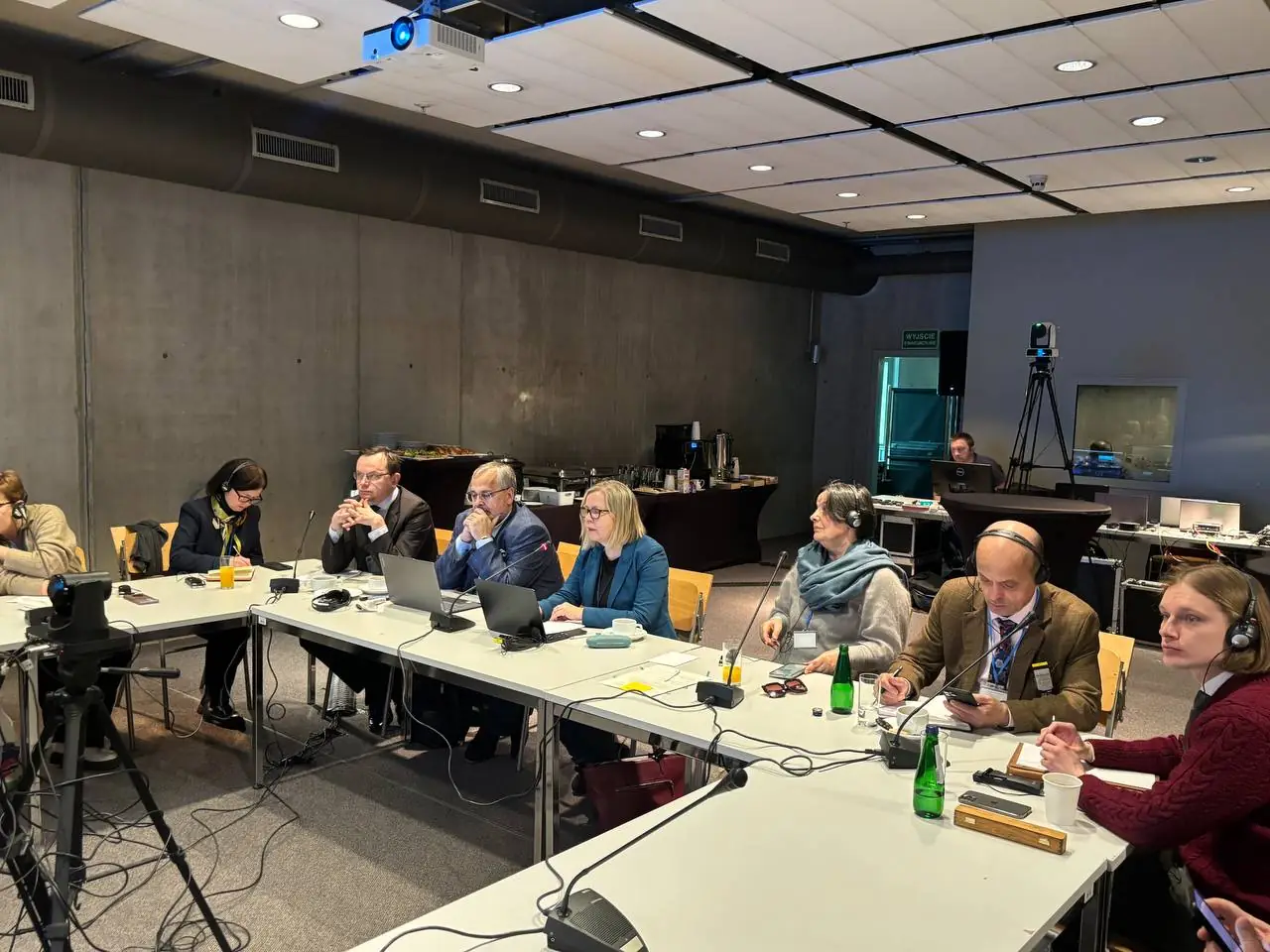
Civil society was presented as a sphere of activity between the individual and the state, encompassing various forms of self-organization. The presentation also addressed the legal foundations of its functioning. Although the Constitution of Poland does not explicitly use the term “civil society,” its elements are present, particularly in the principle of subsidiarity. Important roles are also played by the law on access to public information and the regulation of local self-government. It was emphasized that civil society organizations can act as partners of the state, while also performing a monitoring and critical function. Problems arise when the authorities equate themselves with the state and perceive criticism as disloyalty.
The discussion addressed issues of organizational funding, transparency, and levels of public trust. The importance of mechanisms such as the allocation of 1.5% of income tax to public organizations was highlighted. Questions of volunteering and the degree of institutionalization of civil society in Poland and Ukraine were also discussed.
Civil Society, Media, and Social Partners in Ukraine under Wartime Conditions
The third presentation was delivered by Senior Research Fellow Tetiana Liashenko from our Institute, focusing on the functioning of civil society in Ukraine during wartime. She highlighted the high level of trust in volunteers, which has persisted since 2014 and exceeds trust in charitable organizations. Volunteering was identified as a key element of civil society functioning during the war.
The role of the media was also emphasized, as it performs both monitoring and mobilizing functions, influencing the formation of public opinion. At the same time, limitations on media pluralism under martial law were noted, along with the dominance of centralized information broadcasting, particularly the “United News” telethon.
The discussion explored the prospects for the development of civil society after the war, including the risk of activist fatigue. At the same time, Ukrainian experts expressed the view that the volunteer movement will remain an important component of public life. Issues related to the limits of media freedom and levels of trust in different information sources were also raised.
From the Kuras Institute of Political and Ethnic Studies of the National Academy of Sciences of Ukraine, the seminar was attended by Deputy Director for Research, Professor Halyna Zelenko, as well as researchers from the Department of Political Institutions and Processes: Candidates of Political Sciences Nataliia Kononenko, Associate Professor Svitlana Sytnyk, Rostyslav Balaban, Svitlana Brekharia, and Ihor Symysenko.
The seminar confirmed the importance of joint analysis of institutional mechanisms for human rights protection and civic engagement for the effective functioning of both states. A shared conclusion was that the resilience of political systems depends not only on formal legal solutions but also on social, cultural, and institutional factors. At the same time, prolonged functioning under crisis conditions cannot substitute for stable and properly functioning institutions of the rule-of-law state.
On April 10, 2026, a public discussion “The Call: Making Sense of Ukrainian Jewry” took place in Kyiv. The conversation, organized by Hromadske Radio in partnership with UNESCO Ukraine, reveals the multi-layered history of relations between Ukrainians and Jews in Ukraine.
Invited experts and guests discussed the mutual influence of cultures, common traumas, experiences of coexistence, as well as how different historical eras shaped Ukrainian Jewry.
A participant in the discussion, a well-known Ukrainian historian, leading researcher in the ethnopolitical science department of our institute, head of the Ukrainian Center for Holocaust Studies Anatolii Podolskyi, said that in the 1990s, Russian scholars promoted the thesis about the alleged non-existence of Ukrainian Jews as a separate identity: “‘Ukrainian Jews’ is a natural phrase, they fought for it, and I was also a participant in this struggle. It was part of the struggle for Ukrainian identity.” As noted by a participant in the discussion, Diana Klochko, an art critic, essayist, and public lecturer, Ukrainian Jews were not only part of the cultural process, but also significantly influenced the formation of artistic trends and institutions in Ukraine. As one example, she mentioned the artist Abram Manevych, one of the founders of the Ukrainian Academy of Arts, emphasizing the uniqueness of this fact for Ukrainian history.
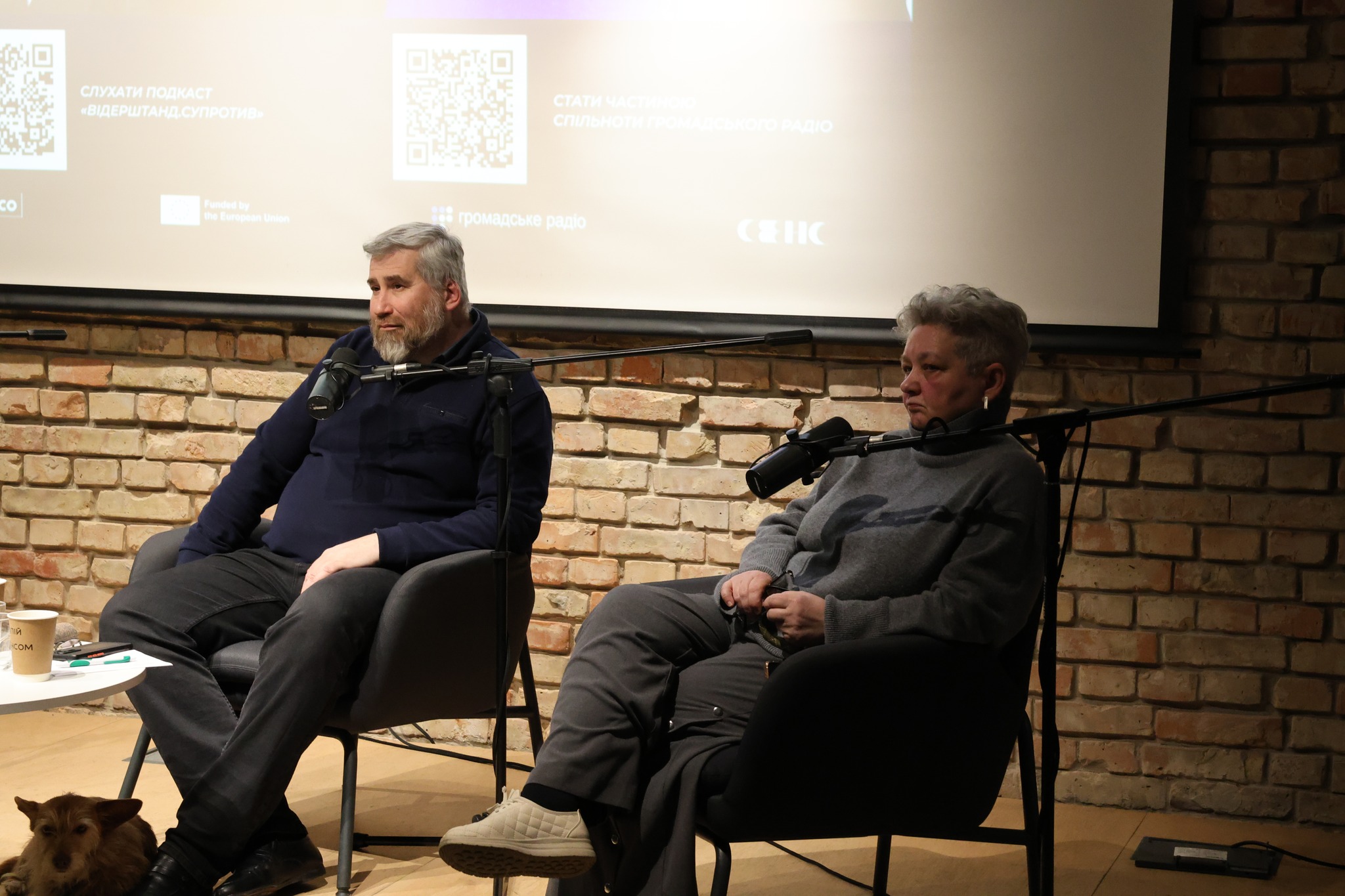
Anatolii Podolskyi, Diana Klochko
The discussion was moderated by Hromadske Radio host Elizaveta Tsaregradska.
The event took place as part of the Hromadske Radio project “Wiederstand. Resistance” — a podcast about Ukrainian Jews who changed the world.
Listen here: https://cutt.ly/HtFo6Svs
This initiative is part of UNESCO’s broader efforts to preserve and digitize documentary heritage in Ukraine. The podcast was created as part of a partnership project with UNESCO with financial support from the European Union. Its content is the sole responsibility of Public Radio and does not necessarily reflect the position of UNESCO and the European Union.
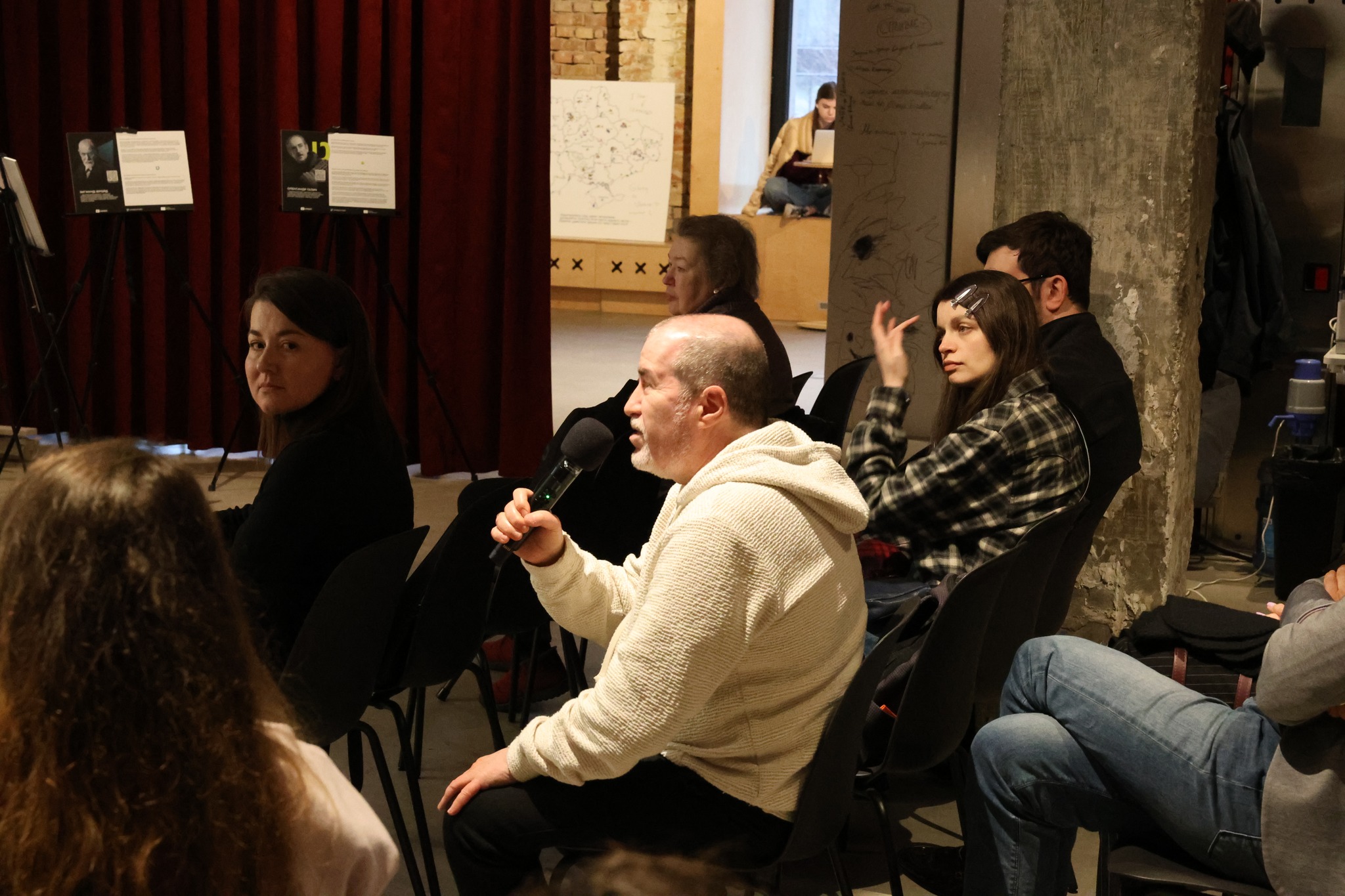
Anatolii Podolskyi, Diana Klochko
On the Institute’s website (in the “Our Publications” section), is available the electronic version of the monograph “Social-political Solidarity in Ukraine in the Post-war Period”.
The monograph contains a predictive analysis of problems that can affect the level of solidarity of Ukrainian society after the end of the Russian-Ukrainian war, in the conditions of reconstruction of Ukraine. The readiness of the country’s political and institutional system to perform a consolidating role is considered, possible lines of socio-group conflicts are analyzed, the main strategic lines of development are determined, on which a national consensus can be formed; a forecast is made regarding changes in the nature of the solidarity of the population and probable scenarios of this process are considered.
The main reasons and factors that can have a positive and negative impact on the level of cohesion of the authorities and citizens are considered, including in matters of dialogue between them, the use of information resources to influence public consciousness, and counteraction to external factors aimed at undermining social unity in Ukraine.
On April 2, 2026, an online lecture for students from the series “Historical Education for All. Myths and Facts: Between Legend and Reality” was held at the Donetsk Regional Institute of Postgraduate Pedagogical Education (Kramatorsk). The lecture was delivered by Anatolii Podolskyi, a leading researcher in the Department of Ethnopolitical Science of our Institute, Candidate of Historical Sciences.
The topic of his lecture – “Memory of the Victims of the Holocaust in Ukraine as a Form of Resilience and a Weapon against Russian War and Propaganda” – became the central line of discussion of the role of historical consciousness in the modern confrontation. The speaker emphasized that preserving the memory of the tragedy of the Jewish people in Ukraine is a critically important element in the formation of national identity and the civilizational choice of our state. In the conditions of Russia’s full-scale invasion, understanding the mechanisms of totalitarian regimes of the past helps society better recognize modern manifestations of misanthropic ideologies and strengthens internal resilience.
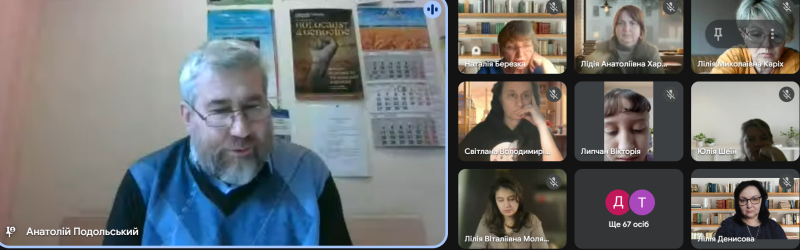 Anatolii Podolskyi speech
Anatolii Podolskyi separately focused on the issue of information security, emphasizing that a deep knowledge of history is an intellectual weapon against manipulation. For years, Russian propaganda has cynically exploited the topic of the fight against Nazism to justify its own aggression, but an honest and open discussion about of the Holocaust History makes it possible to effectively refute these myths.
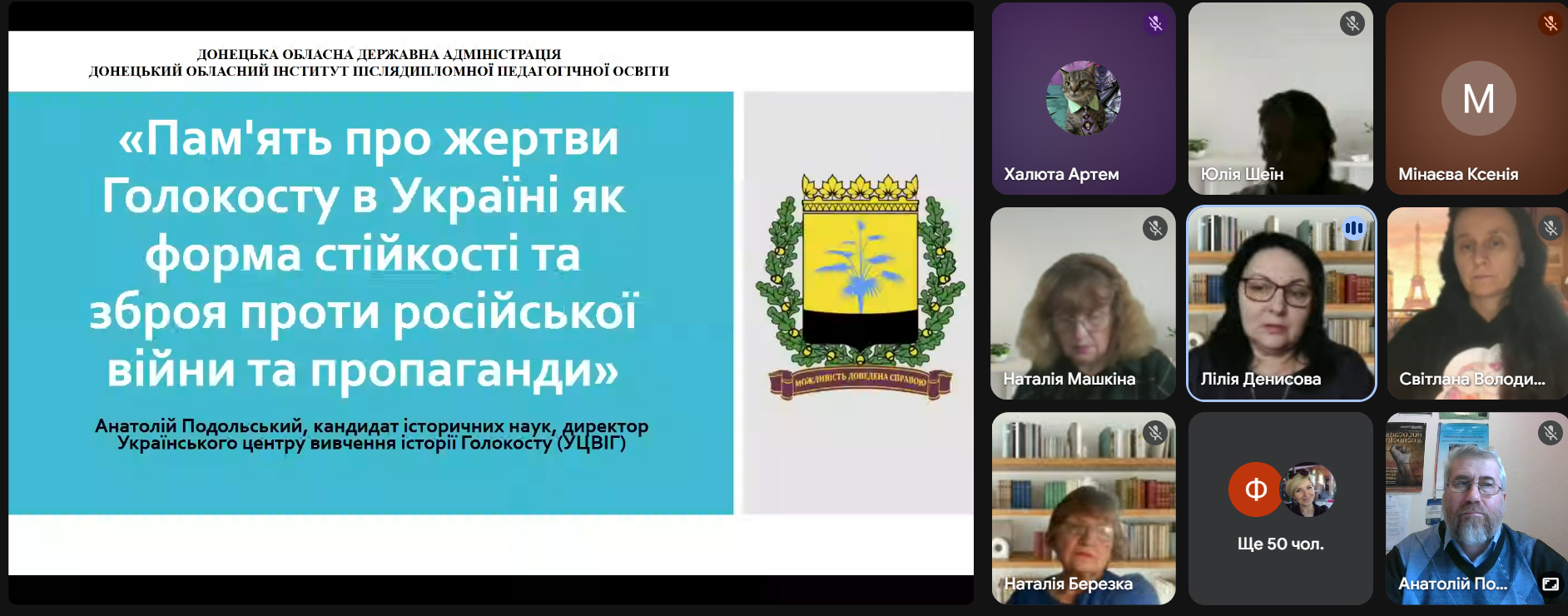
During lecture
The lecture and discussion were moderated by Liliya Denisova, a methodologist at the Department of National Education, Extracurricular and Civic and Historical Education of the Donetsk Regional Institute of Postgraduate Pedagogical Education. About 90 history and social studies teachers from the Donetsk region took part in the event.
On March 25–27, 2026, representatives of the Kuras Institute of Political and Ethnic Studies of the National Academy of Sciences (NAS) of Ukraine took an active part in the VII International Interdisciplinary Scientific and Practical Online Conference “Culture, Science, Education: Meaning-of-Life Values in Modern Conditions.” This significant scientific event took place within the framework of the XVII International Exhibition “Modern Educational Institutions–2026.”
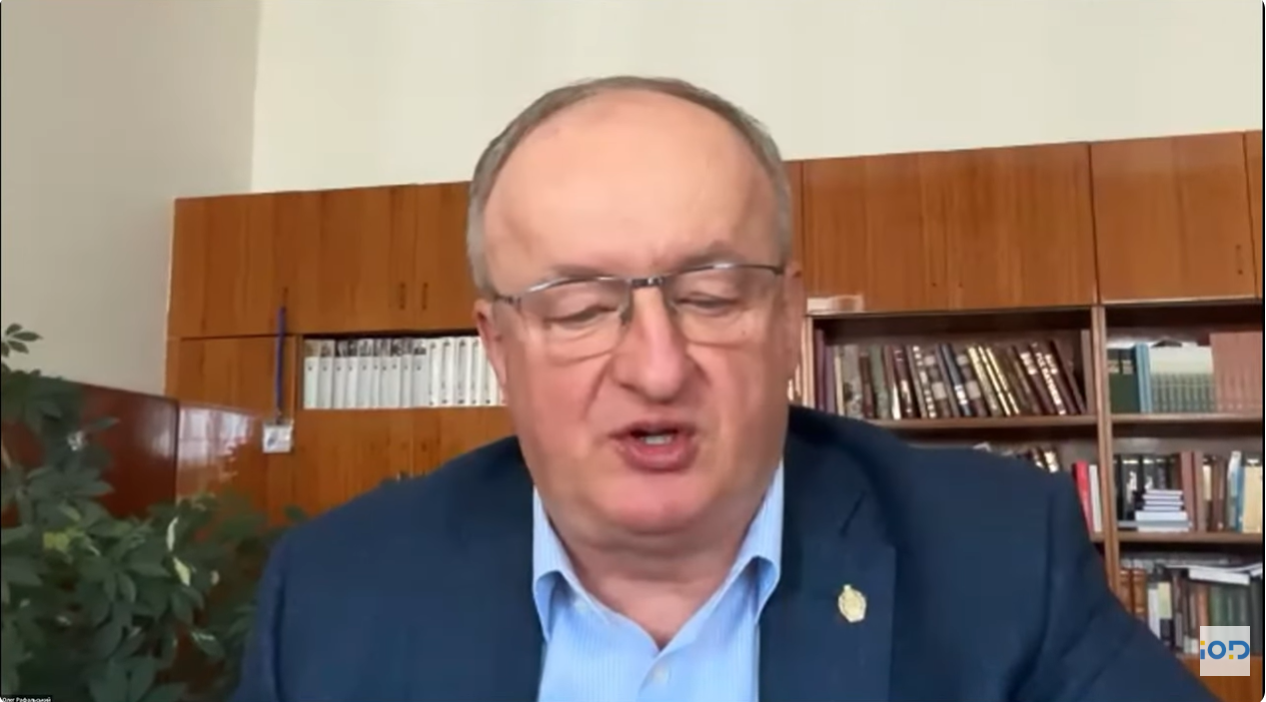
Oleh Rafalskyi, Director of the Kuras Institute of Political and Ethnic Studies of the NAS of Ukraine, Vice President of the NAS of Ukraine, Doctor of Historical Sciences, Professor, Academician of the NAS of Ukraine, and Academician of the National Academy of Educational Sciences (NAES) of Ukraine, delivered a welcoming speech to the participants of the event.
During Panel I of the plenary session (“Values of Peace vs. Values of War”), significant audience interest was sparked by the report “Meaning-of-Life Coordinates of Ukrainian Society in War: Transformation of Cultural Space and Values,” presented by Tetiana Bevz, Doctor of Historical Sciences, Professor, and Chief Research Scientist at the Kuras Institute of Political and Ethnic Studies of the NAS of Ukraine.
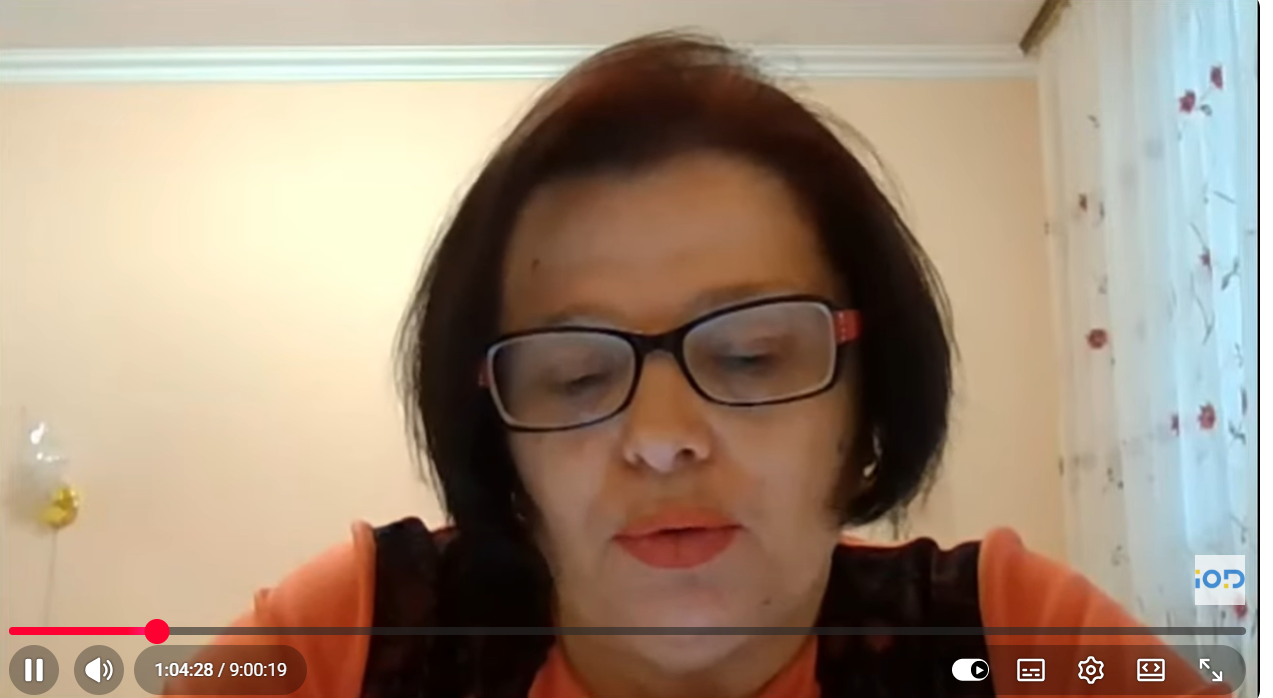
During Panel II of the plenary session (“Aspects of the Development of Ukrainian Society as a Subject of the International Community”), a thorough report was presented by Oleksii Liashenko, Candidate of Historical Sciences and Research Scientist at the Institute. His speech was dedicated to an in-depth analysis of the topic “Models of Political Representation of Indigenous Peoples and National Minorities of Ukraine in the Context of Ethnopolitical Resilience.”
Participation in such large-scale events allows experts to keep their fingers on the pulse of global scientific and educational trends, effectively respond to contemporary challenges, and make a significant expert contribution to the development of domestic science and education.
Conference video materials:
On the Institute’s website (in the “Our Publications” section), is available the electronic version of the monograph “Ukraine in Struggle: War and the Transformation of society”.
The monograph contains an analysis of sociocultural transformations in Ukraine in the context of the current Russian-Ukrainian war. It examines the essential manifestations of worldview and existential shifts that have taken place at the level of individual and group consciousness regarding the perceptions of Ukrainian citizens about their life goals and value priorities.
It proposes concepts of the “Russian-Russian” threat to Ukraine’s national values and the protection of national identity in the context of cognitive warfare. It identifies transformations in the ideological preferences of Ukrainian citizens, the specifics of their assimilation of “European” values, and the ethnopolitical aspects of sociocultural changes. The sociocultural dimension of citizenship is outlined and the reassessment by Ukrainian citizens of past events and figures under the influence of Russian military aggression is characterized.
In March 2026, Anastasiia Dehterenko, PhD in Political Science, Associate Professor, researcher at the Kuras Institute of Political and Ethnic Studies of the National Academy of Sciences of Ukraine, participated in the international scientific workshop Local Party Politics (LoPaPol) Workshop 2026, held on March 24–25 at the Technical University of Darmstadt (Germany).
As part of the workshop, she presented the paper: “Local Party Competition and Coalition Governance in War-Affected Municipalities: Ukraine as a Critical Case of Resilient Local Democracy.”
The paper examines the transformation of local democracy in Ukraine under conditions of full-scale war. It focuses on the changing logic of party competition, the formation of governance coalitions, and adaptive mechanisms of municipal governance.
The study argues that war not only poses challenges to democratic institutions but also acts as a driver of their transformation. In particular, at the local level, there is a shift from ideologically structured competition toward governance oriented at effectiveness, crisis management, and the provision of essential public services.
Special attention is given to the concept of “survival coalitions” — pragmatic cross-party alliances formed to sustain governance under conditions of high uncertainty and security pressure.
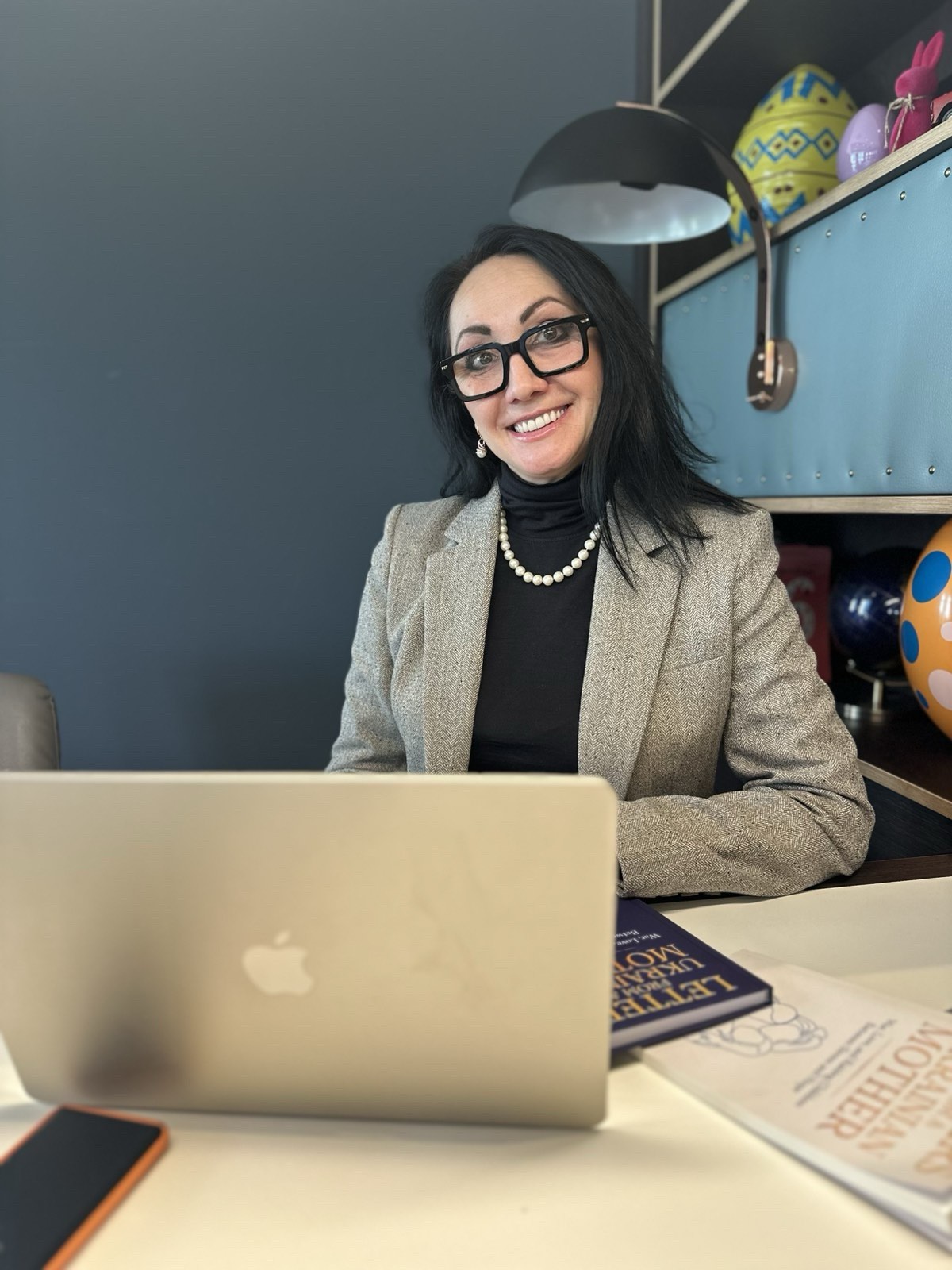
In addition to the academic presentation, on March 23, 2026, within the framework of the same project, the book “Letters from a Ukrainian Mother: War, Love and Raising Children Between Sirens and Hope” was presented. The book combines academic reflection on war with personal experiences of motherhood and everyday life under wartime conditions, thus extending scholarly discourse through a human-centered perspective.
Available via international platforms (Amazon): https://www.amazon.com/dp/B0GRTPXTYY
Participation in the workshop and the book presentation took place within the framework of the international project “The Voice of a Ukrainian Researcher in European Debates on Local Democracy: International Advocacy and Knowledge Transfer for Women’s Initiatives.”
The project was awarded to the Academy of Resilient Development of Ukraine, an institution dedicated to strengthening societal resilience, advancing educational and research practices, and supporting transformation processes in the context of war and post-war recovery.
The project is supported by the Ukrainian Women’s Fund with the assistance of the Government of Canada.
The engagement of Ukrainian scholars in international academic platforms contributes to the integration of Ukrainian research into the European scholarly space and supports the development of new approaches to understanding democratic resilience under conditions of war.
The full research paper and the official workshop program are available here.
On the Institute’s website (in the “Our Publications” section), is available the electronic version of the monograph “Ukraine in Struggle: War and the Transformation of the State”.
The monograph is devoted to a comprehensive analysis of transformations in Ukraine’s system of state power under the conditions of the Russian-Ukrainian war, which has become a key driver of profound institutional change. The study focuses on the contradictory processes of concentration and dispersion of power, as well as on the mechanisms for preserving democratic procedures during the legal regime of martial law. It examines the specific features of public administration functioning in crisis conditions, the transformation of bureaucratic competencies, and changes in the system of justice and anti-corruption policy. Particular attention is paid to the interaction between military administrations and territorial communities, as well as to the instruments of legitimizing public authority in wartime.
On March 10, Mykola Ryabchuk, a Principal Research Fellow of the Department of Political Culture and Ideology, participated in the conference “Latin America and Ukraine: Building Mutual Understanding,” organized in Madrid by the Barcelona Center for International Studies at the premises and under the patronage of the Spanish Ministry of Foreign Affairs.
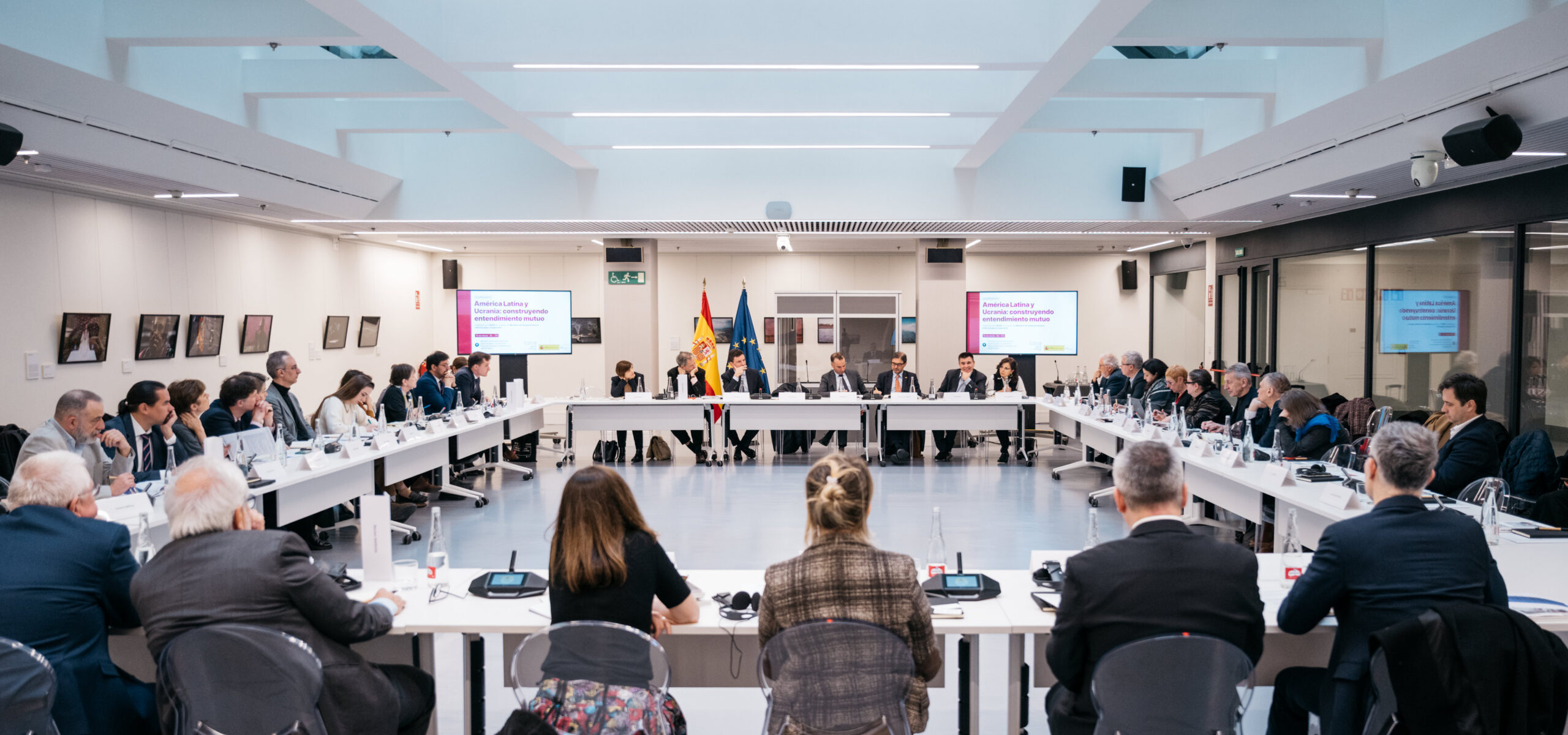
In the conference hall
A few dozen experts from Ukraine, Spain, and several Latin American countries discussed, within the framework of three panels, the (mis)perception of the Russian war in Ukraine in Latin American societies, the influence of Russian propaganda, the notable differences between the generally supportive attitude toward Ukraine on the part of local societies and the more cynical (“pragmatic”) attitude on the part of ruling elites. The discussants agreed that Ukrainian events evoke much more empathic response when presented through life stories and individual human experiences rather than dry analytical categories and abstract arguments. Another issue that drew broad attention of the participants was a growing threat of the “new global disorder”, that accelerated dramatically under erratic policies of the new American administration. All the small and medium-sized countries should unite their efforts to prevent the division of the world into “spheres of influence” among three hegemonic predators; all of them have a vested interest in preservation of their sovereignty, and Ukraine’s current anti-imperial struggle might be of particular relevance for Latin Americans.
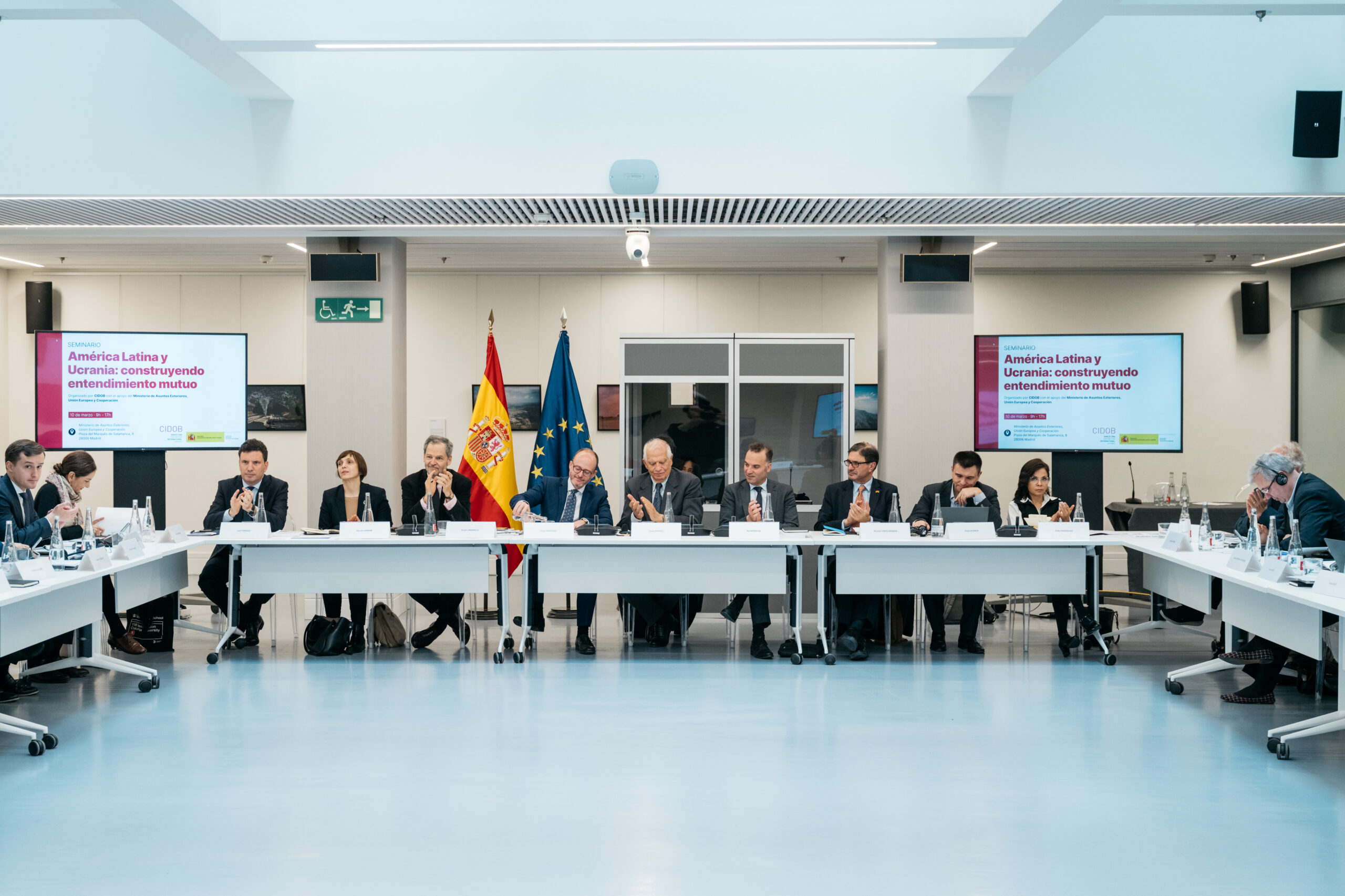
Honorary guests of the conference
Dr. Ryabchuk participated in all three panel discussions, presenting in part the arguments set forth in his article “Ukraine’s (im)possible engagement with the Global South,” and noting that, among all the countries of the so-called Global South, it is Latin America that is culturally and psychologically closest to Ukraine, and therefore it is here that the prospects for understanding and cooperation look the best — provided that appropriate governmental and non-governmental efforts are made.
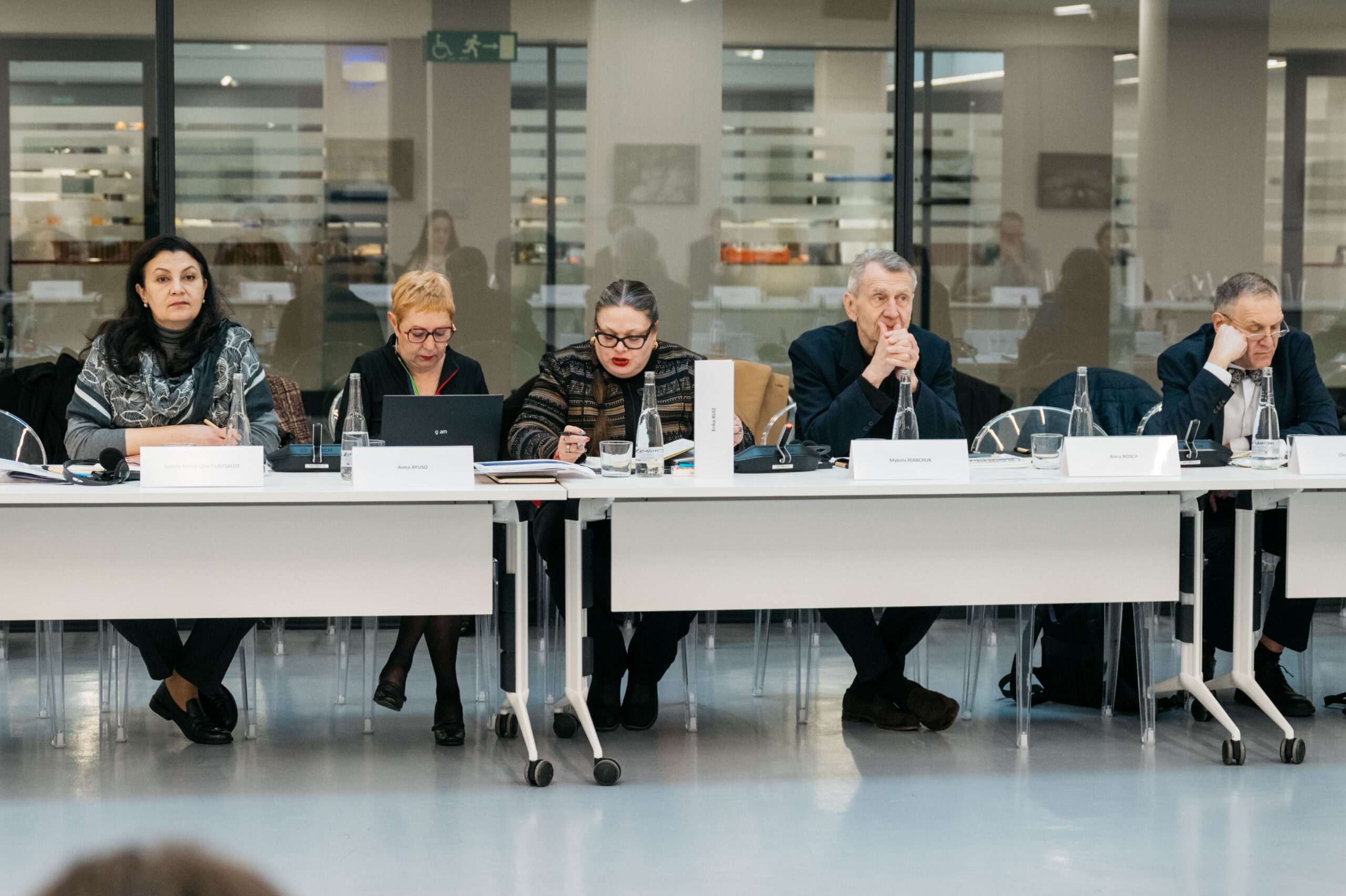
Ukrainian participans of the conference
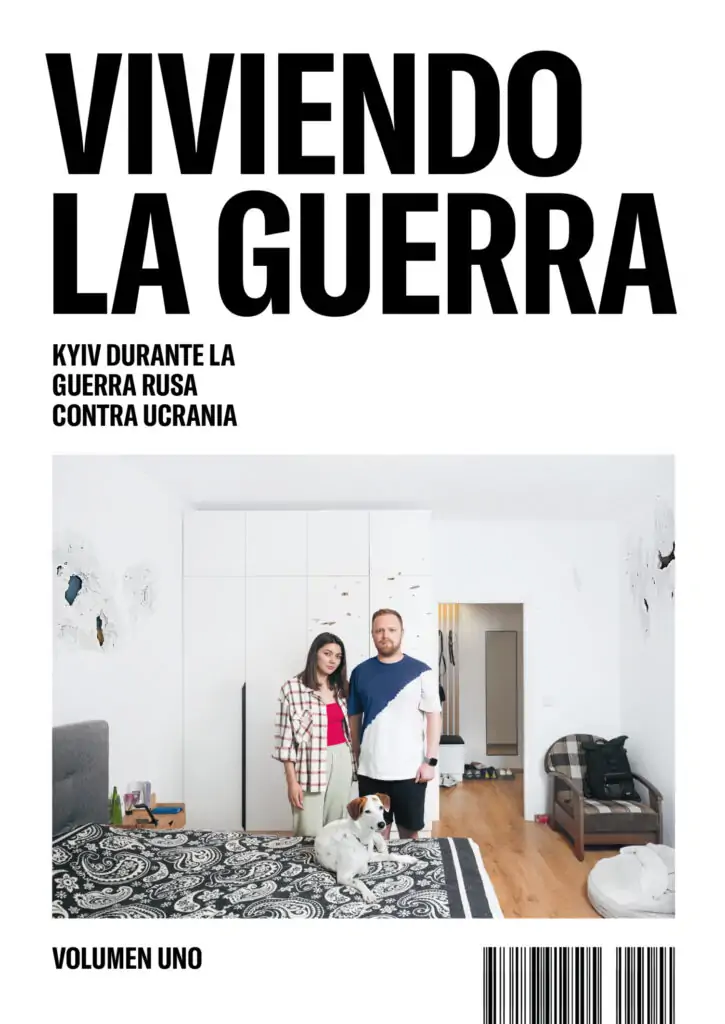 “Living through the War”, a collection of photographs presented during the conference
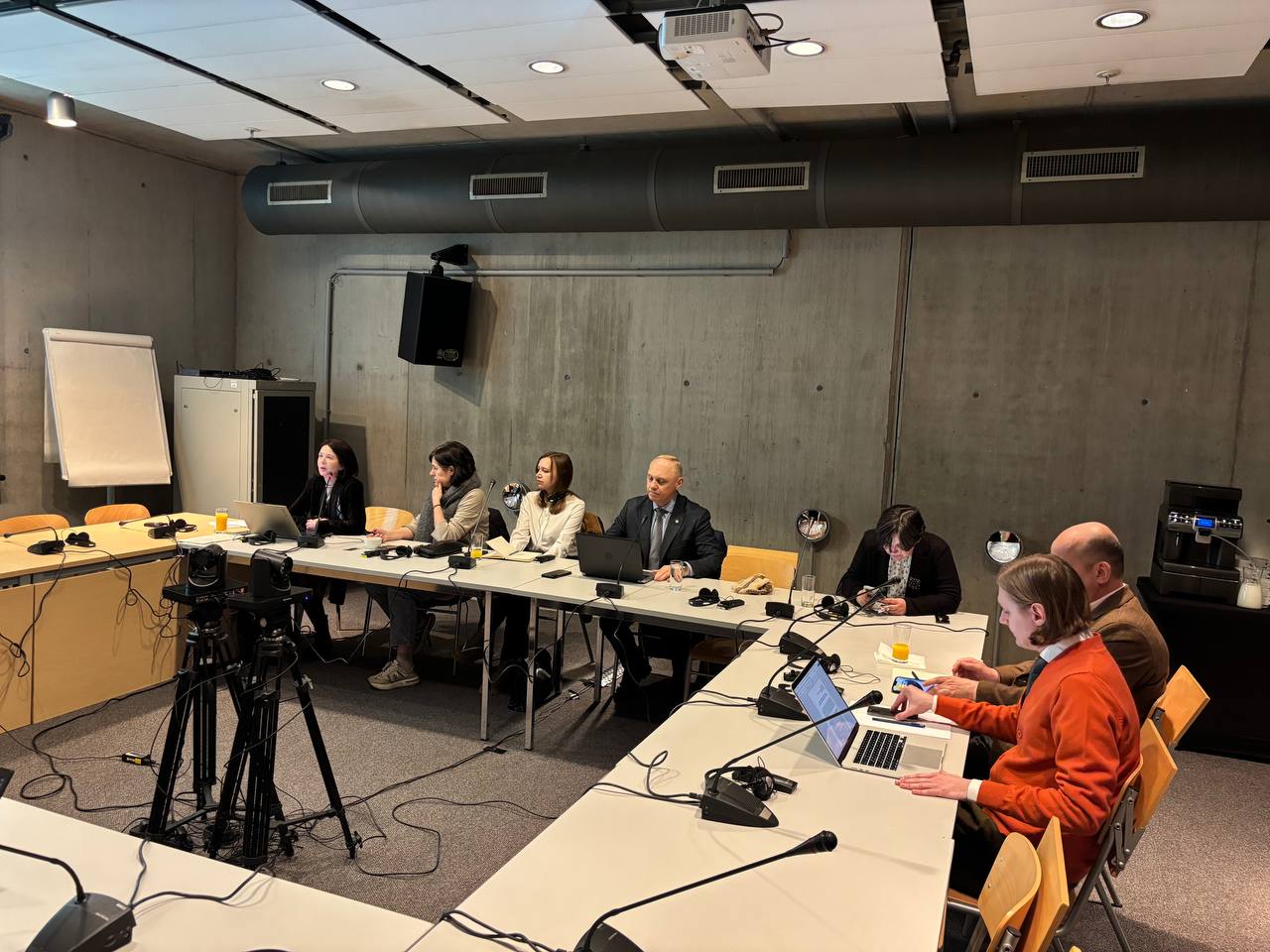
On March 5, 2026, the ninth academic seminar within the framework of the international research project “System in Action” took place at Uniwersytet Warszawski. The seminar focused on the functioning of the civil service and the relationship between public administration and the political system.
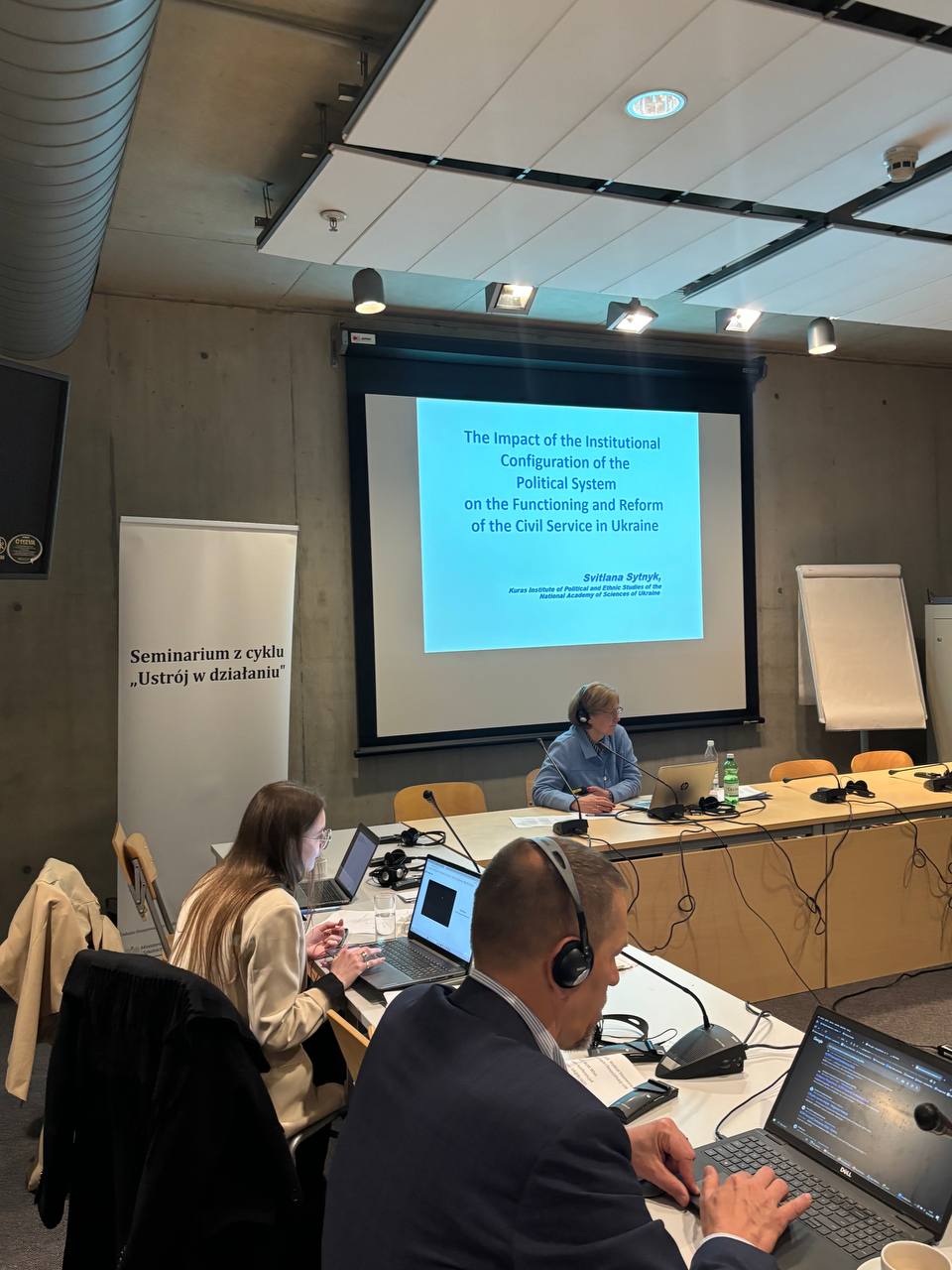
The seminar featured presentations by Svitlana Sytnyk (Kuras Institute of Political and Ethnic Studies of the National Academy of Sciences of Ukraine) and Antoni Kamiński (Polish Academy of Sciences).
In her presentation, Senior Research Fellow of the Institute Svitlana Sytnyk offered an analysis of the reforms and the current functioning of the civil service in Ukraine, emphasizing the impact of political changes on the stability of the administrative system. In particular, she discussed the consequences of the 2019 elections and the challenges faced by the civil service under wartime conditions. Among these challenges are the suspension of some competitive recruitment procedures, the mobilization of civil servants for military service, and the need to maintain the institutional capacity of the administration during martial law. During the discussion, participants stressed the importance of transparency in accountability mechanisms for public officials, particularly the system of asset declarations. It was also noted that the Ukrainian Constitution lacks clear regulation of the fundamental principles of the civil service, which may contribute to institutional instability.
In the second part of the seminar, Professor Antoni Kamiński presented an analysis of the functioning of the civil service in Poland, focusing on the tensions between its professional character and political influence. His presentation addressed the problem of the politicization of the administration, including the phenomenon of appointing individuals affiliated with ruling political parties to public positions. Particular attention was also paid to the issue of so-called “staff rotation” and the challenges related to maintaining кадров stability in public administration, including in comparison with the situation in Ukraine.
During the concluding discussion, the participants noted that in both Poland and Ukraine the functioning of the civil service remains closely connected to the dynamics of the political system. One of the key challenges for the future is strengthening the professionalism of the civil service, ensuring transparency in recruitment procedures, and increasing public trust in state institutions.
The seminar was also attended by researchers from the Department of Political Institutions and Processes of the Kuras Institute of Political and Ethnic Studies of the National Academy of Sciences of Ukraine — PhD in Political Science Nataliia Kononenko, Rostyslav Balaban, Svitlana Brekharia, and Ihor Symysenko.
APA Style. Recommendatios for use
Join our official pages!
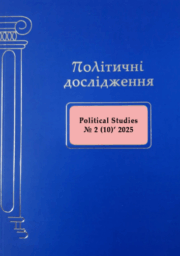
Scientific journal «POLITICAL STUDIES»
Новини
Оголошення

