
On 4 December 2025, in Kyiv, the presentation of the project (kick-off meeting) “Good Governance Practice: European Experience for Ukraine” (EU Erasmus+ Programme) took place. The project is designed for three years and is aimed at deepening the expertise of learners in the fields of jurisprudence and public administration in accordance with the principles of good governance, as well as at exchanging experience with representatives of the European academic community.
The Coordinator of the Consortium is Dragomanov Ukrainian State University, and the Kuras Institute of Political and Ethnic Studies of the National Academy of Sciences of Ukraine is a partner of the project. Also participating in the Consortium are Borys Grinchenko Kyiv Metropolitan University, Berdyansk State Pedagogical University, Nizhyn Mykola Gogol State University, Vasyl Stefanyk Precarpathian National University, Kryvorizkyj Nationalnyj Universytet, as well as three foreign higher education institutions: Baltijas Starptautiska Akademija (Latvia), Ekonomicka Univerzita v Bratislave (Slovakia), Uniwersytet Marii Curie-Sklodowskiej (Poland).
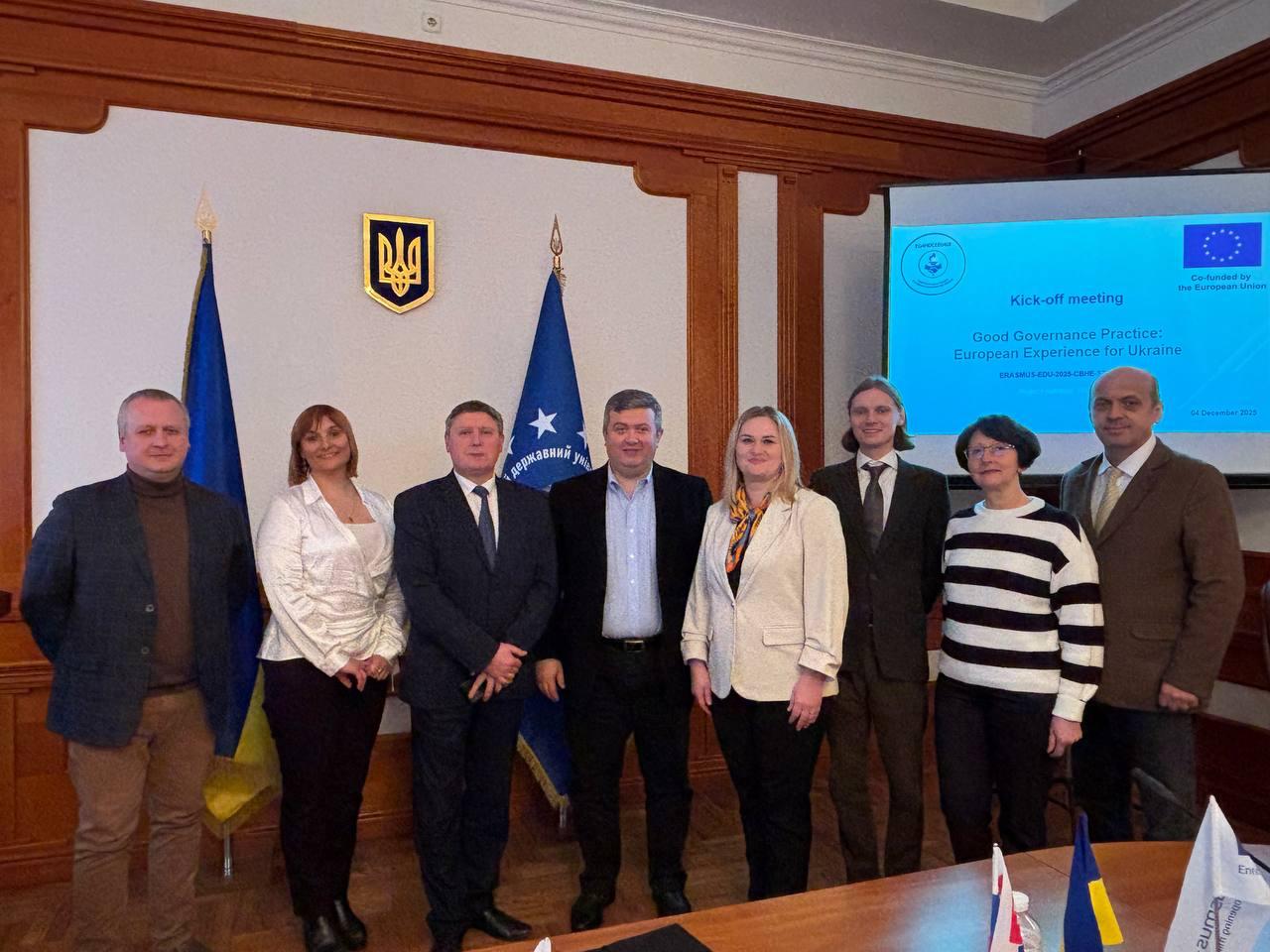
The project was presented by the Project Coordinator, the Vice-Rector for International Relations of the Dragomanov Ukrainian State University, PhD in Political Science Vitalii Stashuk. In his introductory remarks, the Project Coordinator emphasized not only the timeliness and relevance of scientific research in the field of public service in Ukraine, but also the particular necessity of taking into account the experience of the EU countries that have been able to successfully adapt the principles of good governance to the norms and practices of public service.
The Kuras Institute of Political and Ethnic Studies of the NAS of Ukraine is represented in the project by Candidate of Political Sciences, Leading Researcher of the Department of Political Institutions and Processes Rostyslav Balaban, and PhD in Political Science, Junior Researcher of the Department of Political Institutions and Processes Igor Symysenko. The staff members noted that the Institute will provide all necessary scientific and organizational support for the successful implementation of the project “Good Governance Practice: European Experience for Ukraine”.
The project is implemented with the financial support of the European Commission.
On 28–29 November 2025, the 4th International Academic Conference “Research on Polish-Ukrainian Interaction named after Henryk Józewski and Vasyl Mudryi” was held in Lutsk. The event was organized by Lesya Ukrainka Volyn National University and the Centre for East European Studies of the University of Warsaw.
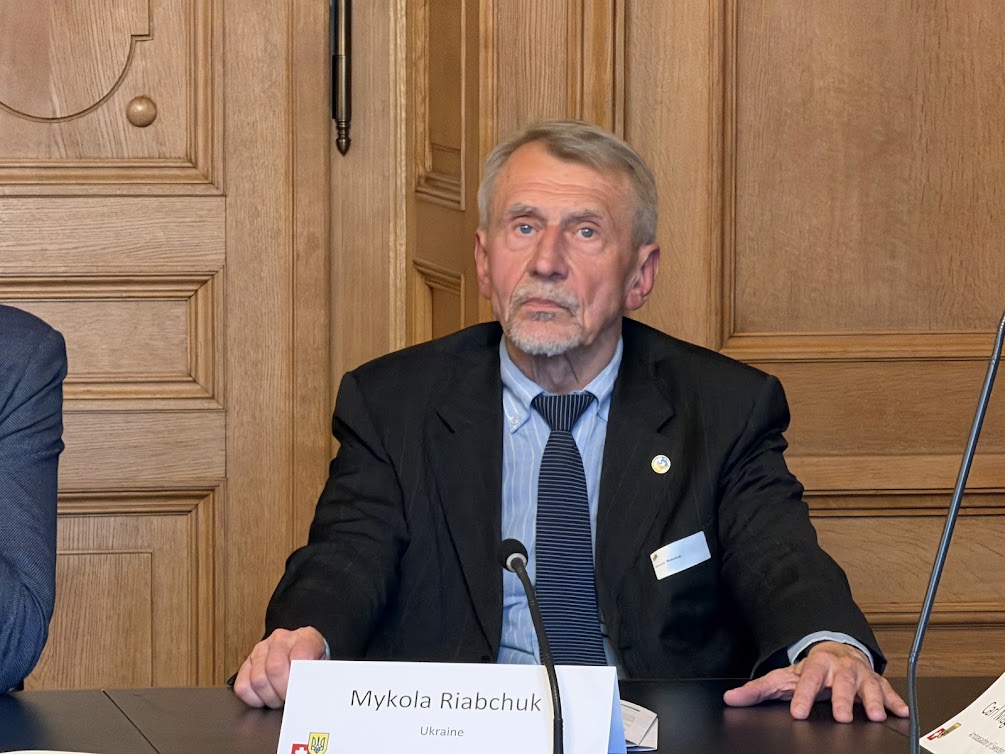
The conference was attended by Oleh Kalakura, Doctor of Political Sciences, Professor, Chief Research Fellow at the Department of Ethnopolitology, and Mykola Riabchuk, Candidate of Political Sciences, Leading Research Fellow at the Department of Political Culture and Ideology.
The aim of the event was to intensify academic research on the directions of Ukrainian-Polish cooperation in the 20th–21st centuries and on the prospects of Ukrainian-Polish relations across all key spheres: security, European integration, humanitarian and socio-economic.
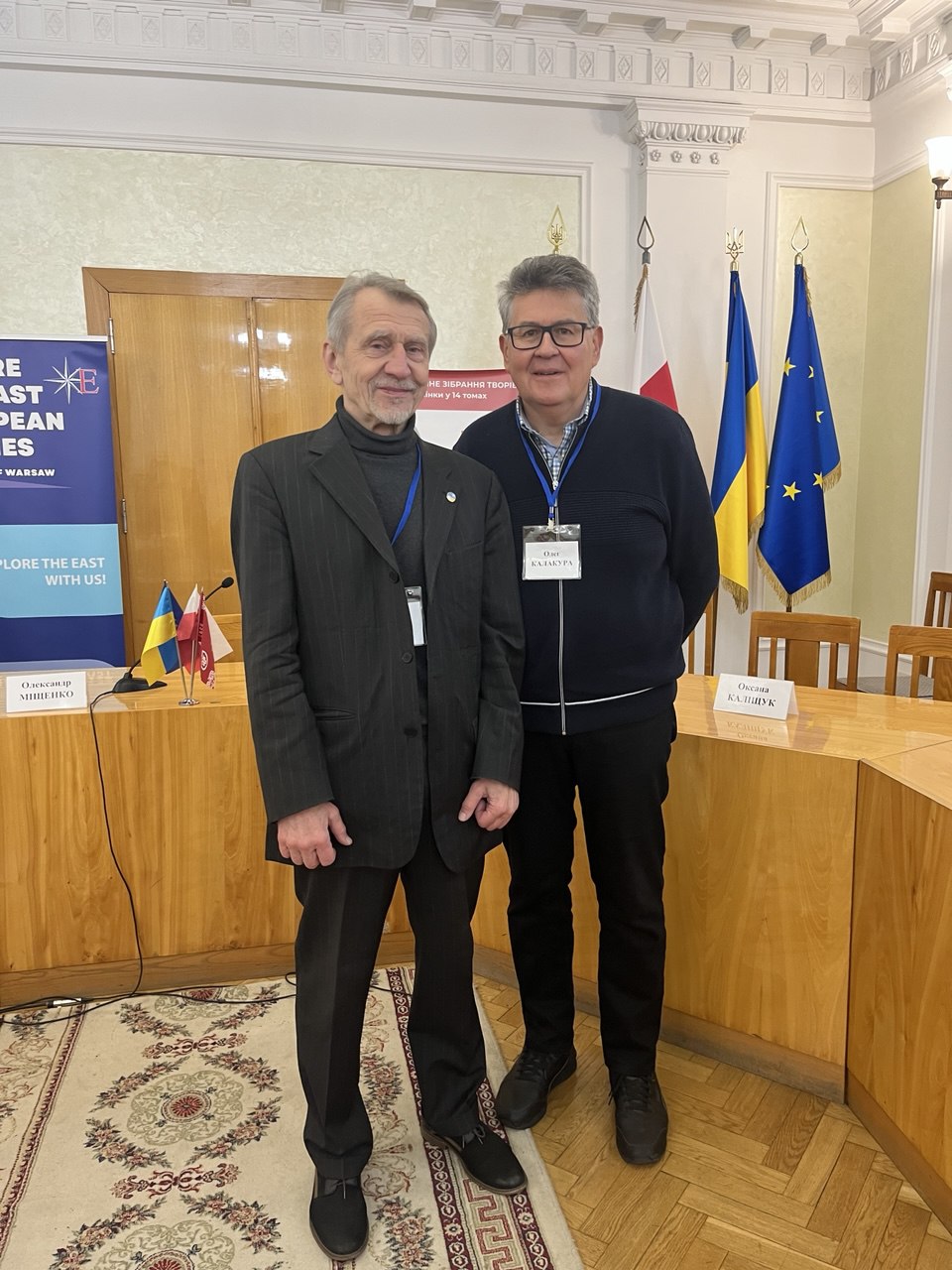
Mykola Riabchuk and Oleh Kalakura
Mykola Riabchuk served as moderator of the opening and closing sessions, while Oleh Kalakura delivered a presentation during the fifth panel of the conference, which focused on Polish-Ukrainian dialogue during the communist period. He analyzed the situation of the Polish national minority in the Ukrainian SSR during the years of post-Stalinist modernization of the communist regime and its systemic crisis.
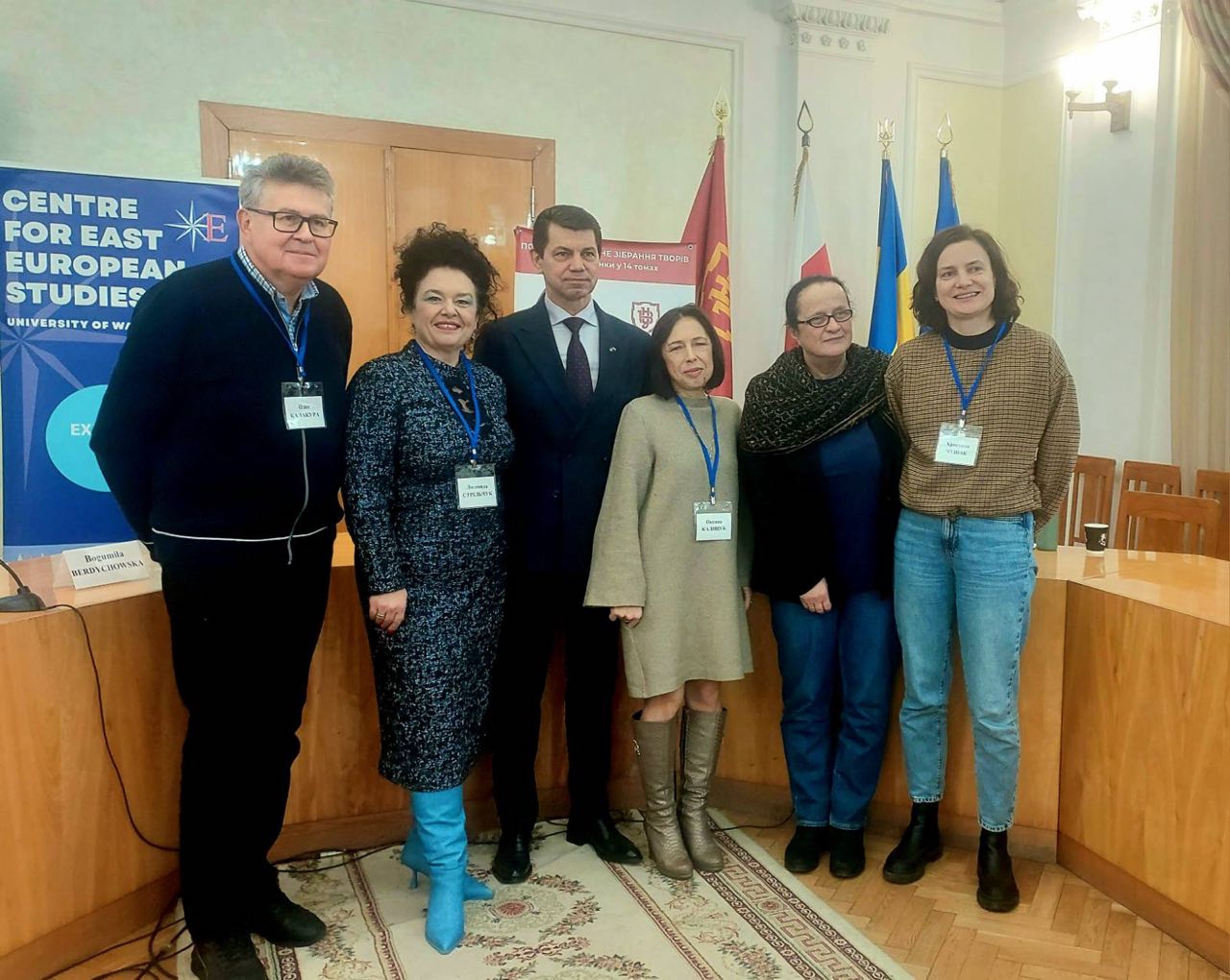
Participants of the fifth panel of the conference together with the Deputy Minister of Foreign Affairs of Ukraine, Oleksandr Mishchenko
On 28–29 November 2025, the Ivan Franko National University of Lviv hosted the international academic conference “Political Institutions and Institutional Interactions During and After the War: Ukrainian, European and Global Dimensions.” The event, dedicated to the memory of renowned Ukrainian political scientist Yurii Shveda, brought together researchers and practitioners from more than nine countries, including Poland, the Czech Republic, Slovakia, Hungary, Latvia, and Israel.
Representatives of leading Ukrainian universities and analytical centers also took part in the conference — Taras Shevchenko National University of Kyiv, the National University of Kyiv-Mohyla Academy, Uzhhorod National University, the Ostroh Academy, Chernivtsi and Kharkiv National Universities, Lesya Ukrainka Volyn National University, Kyiv National Economic University, the Carpathian University, the Ukrainian Catholic University, the Razumkov Centre, and other institutions.
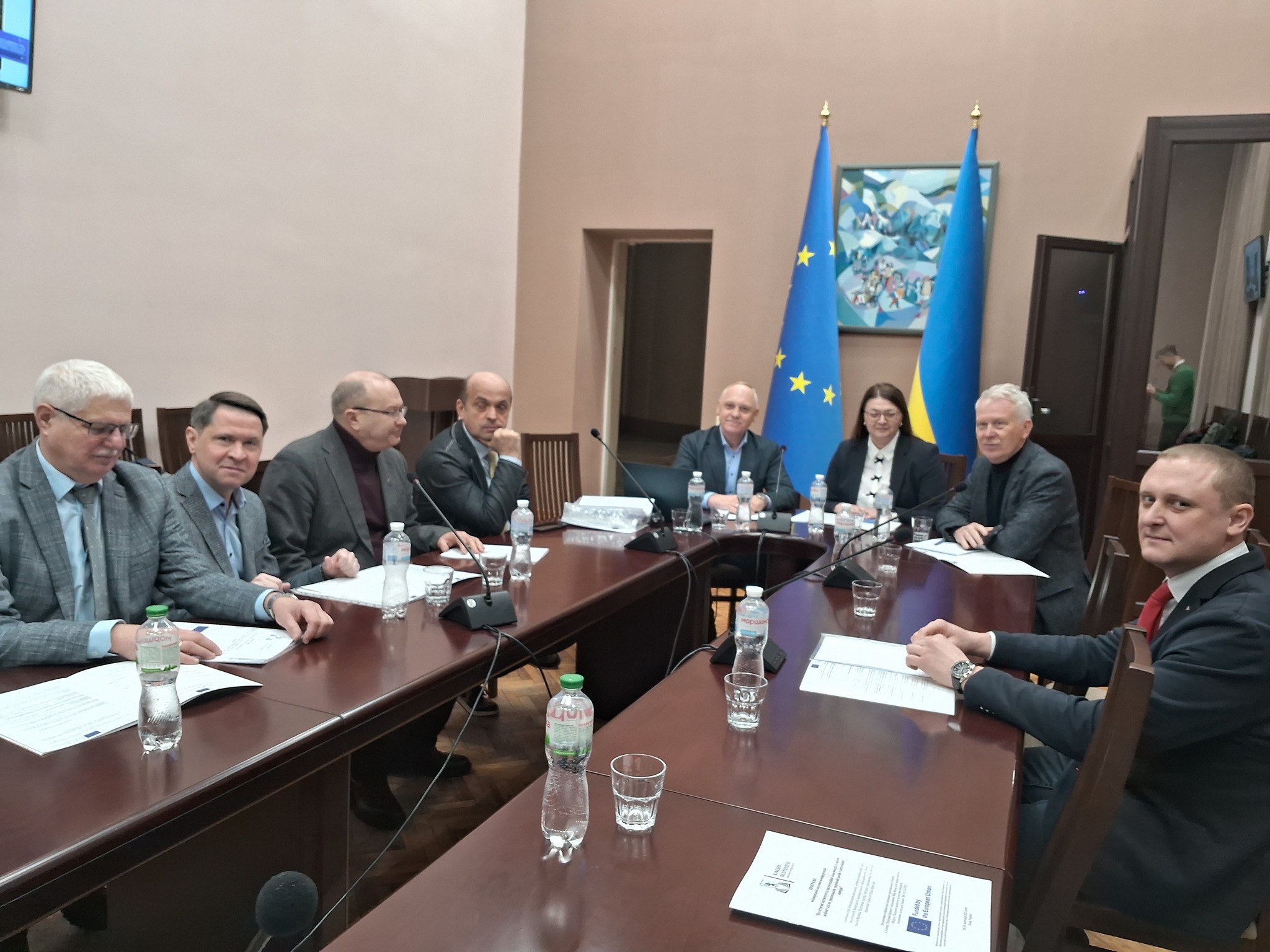
The Kuras Institute of Political and Ethnic Studies of the National Academy of Sciences of Ukraine was represented by senior researchers Nataliia Kononenko and Rostyslav Balaban, who presented studies on the state and prospects of political party development in Ukraine.
In his presentation, Rostyslav Balaban focused on the problem of the impossibility of forming classical European-type parties in Ukraine — a consequence of distorted conditions of political competition, weak party institutions, and the influence of oligarchic networks. He emphasized that the war further exacerbates the structural problems of the party system: political forces remain poorly organized, lacking internal democracy and stable ideological platforms.
Nataliia Kononenko devoted her presentation to internal imbalances in the functioning of the parliament and the government, highlighting how these imbalances affect political parties. She noted that the absence of competencies typical of parliamentary-presidential systems within parliamentary factions leads to a decline in the quality of lawmaking, reduced policy-making capacity, and the de facto weakening of parties as bearers of political responsibility. In her view, this represents one of the key structural challenges of Ukrainian politics — parties exist nominally but do not fulfill their classical functions, which complicates institutional modernization.
Over the course of two days, conference participants also discussed issues of digital democracy, institutional capacity, the legitimation of power under wartime conditions, the transformation of political processes, and the search for models capable of ensuring the stability and resilience of democratic institutions.
On November 17-20, 2020, an international seminar for teachers and researchers of the World War II history and the Holocaust history was held at the National Holocaust Museum in Amsterdam. Scholars and Educators from 44 European countries, as well as representatives of research organizations from the USA, took part in the work of such an international seminar. The seminar was organized by the international organization Claims Conference (Conference on Jewish Material Claims against Germany).
Ukraine was represented at this forum by Dr. Anatoly Podolsky, a leading researcher at the Department of Ethnopolitics of our Institute, who presented on the topic “Challenges in the Holocaust Studies during the Russian War against Ukraine”. The speech noted that Ukraine has accumulated significant experience in Holocaust Studies and Holocaust Education for three decades. This issue, the fate of Ukrainian Jews during the years of Nazi crimes, is an integral part of research and teaching of the World War II history in Ukraine. Also, in Ukraine, scholars and educational non-governmental institutions have many years of productive experience in cooperation with the Claims Conference.
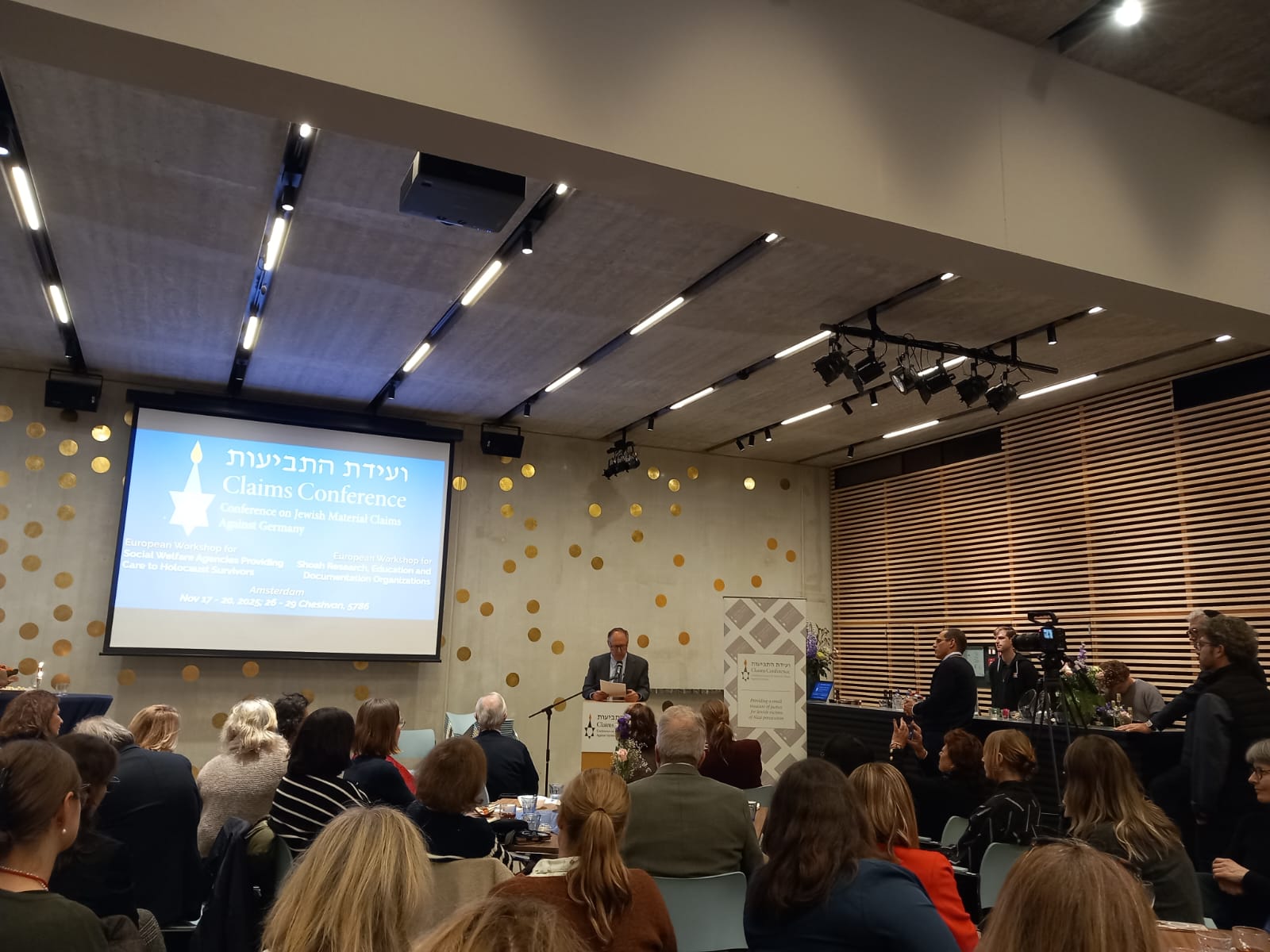
Discussions during the conference
The program will address global and national experiences in combating Holocaust distortion and inversion and advancing Holocaust education and commemoration. Special attention will be given to international cooperation between Holocaust institutions whose representatives will be present at the Conference.
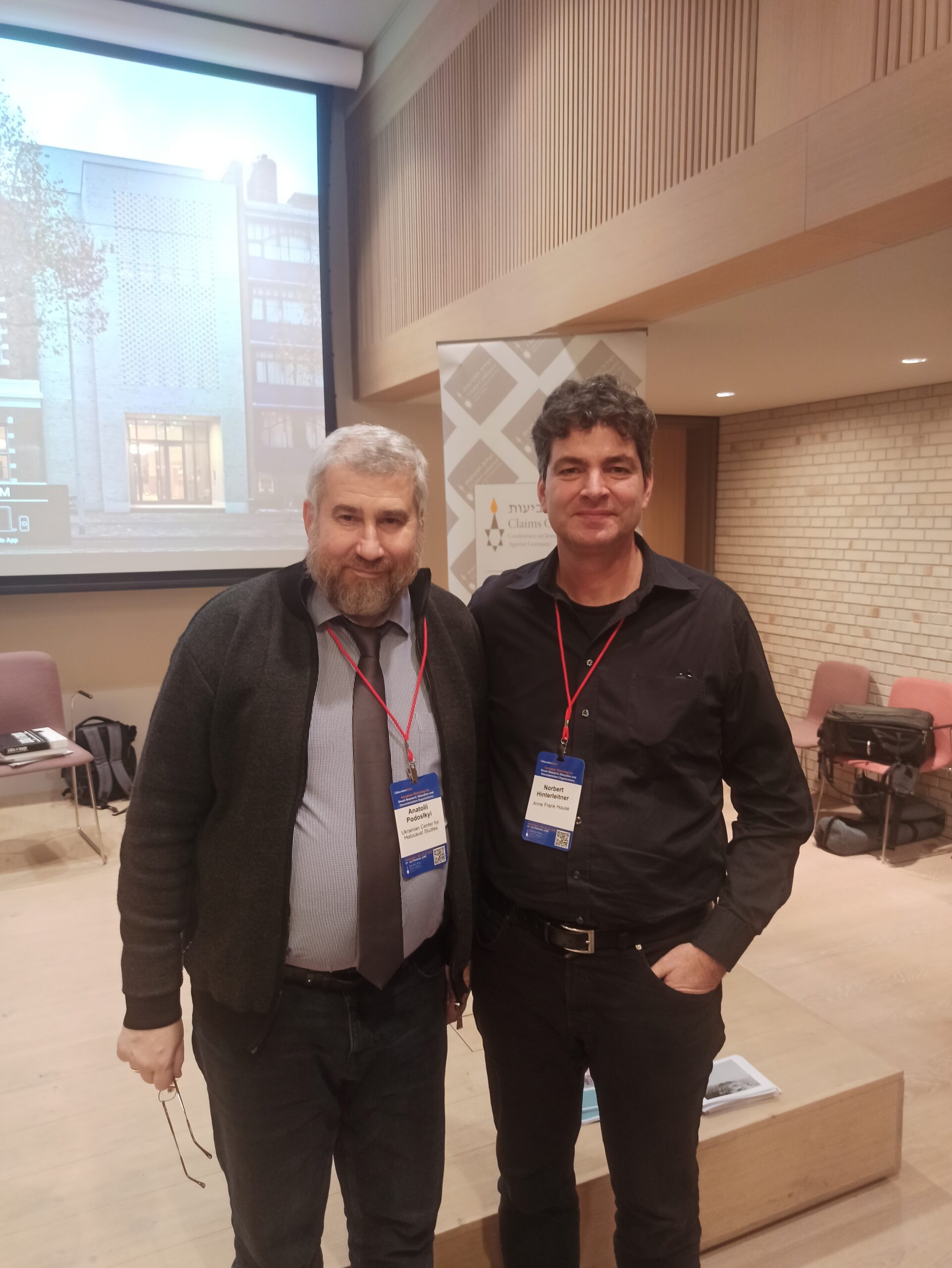
Anatoly Podolsky and Norbert Hinterleitner (Anne Frank House)
Head of the Department of Theory and History of Political Science, Maksym Rozumnyi, took part in the International Scientific Conference “Historical Memory of Ukrainians as a Mode of Formation of National Identity in the Conditions of the Russian-Ukrainian War and the New World Political Reality”, which took place in Lviv on November 12, 2025. The conference was organized by the I. Krypiakevych Institute of Ukrainian Studies of the National Academy of Sciences, with the support of the National Research Foundation of Ukraine, within the framework of the project “Historical Memory of Ukrainians in Conditions of War: From Confrontation to Consolidation”. The curators of the scientific event are Doctor of Historical Sciences Iryna Orlevych and Doctor of Philology Hanna Didyk-Meush (project leader).
The well-known humanities researchers from Ukraine and Poland attended the conference.
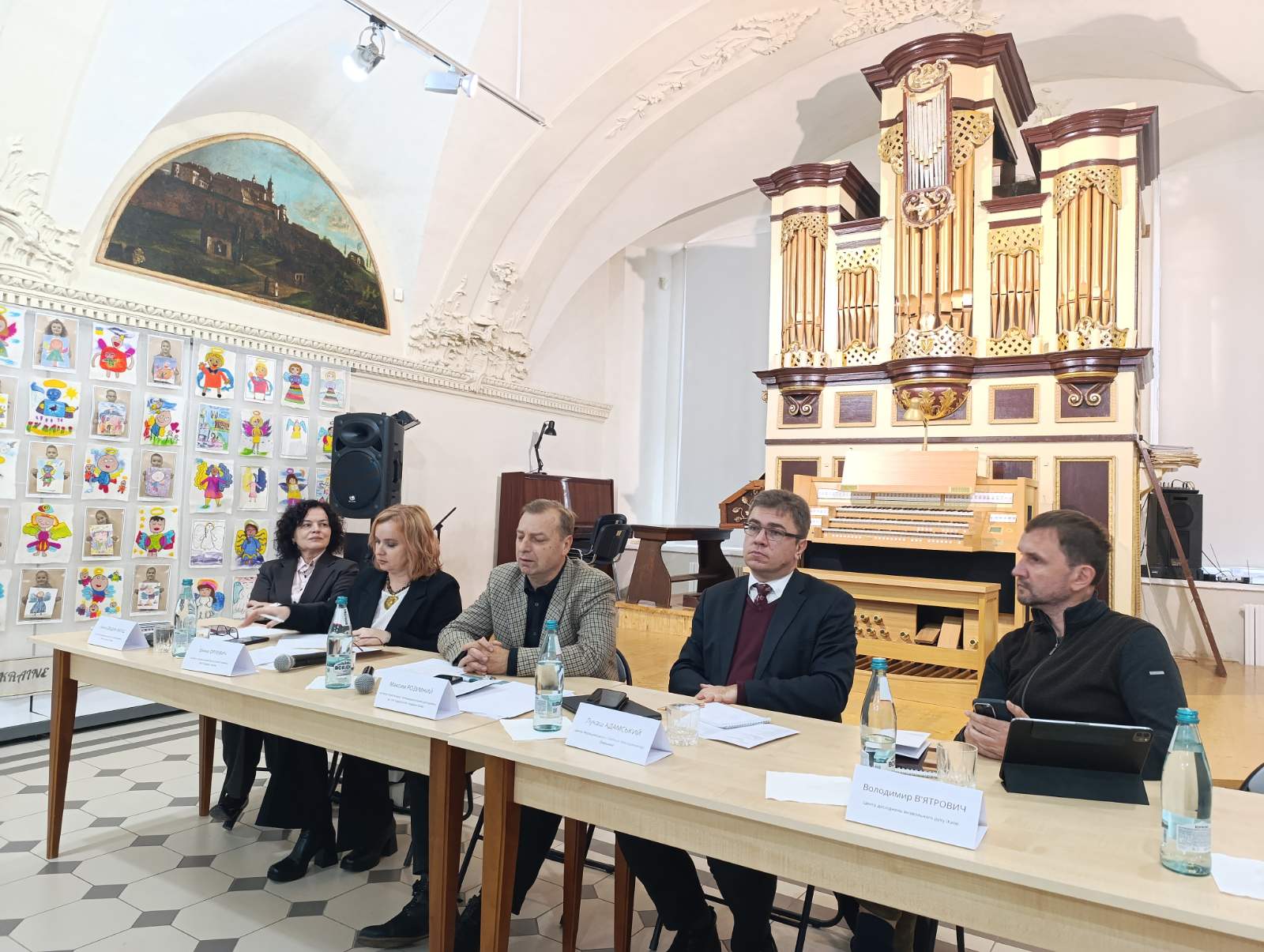
Doctor of Political Sciences Maksym Rozumnyi participated in the work of the first section of the conference with a report “War for Identity: the Russian Challenge and the Ukrainian Response.” The sectional meeting was also attended by Dr. of History, Professor Leonid Zashkilnyak (with a report on theoretical issues of modern memory policy in Ukraine), Dr. of Philosophy Lyudmila Filipovych (the topic of the speech was religious and national identity in the context of the contemporary Russian-Ukrainian war), Member of Parliament of Ukraine, Candidate of History Volodymyr Viatrovych (the policy of national memory of Ukraine since 2014), Dr. Lukasz Adamsky (on the topic “Cognitive biases, fallacies and sophisms in the Polish-Ukrainian discussion on historical memory”). The participants in subsequent sectional meetings discussed the issues of national identity policy in the context of the Russian-Ukrainian war, as well as various dimensions of historical memory and interpretations of the historical past in folk memory, official narratives, and scientific discourses.
Following the conference, it is planned to publish a collection of materials. The implementation of the project “Historical Memory of Ukrainians in the Context of War: From Confrontation to Consolidation” will continue in 2026.
On 8 November 2025, a seminar within the Polish-Ukrainian project “The Impact of Political System Types on the Quality of Political Institutions: Polish and Ukrainian Experience and Perspectives” took place at Jagiellonian University (Kraków, Republic of Poland).
The delegation of the Kuras Institute of Political and Ethnic Studies of the National Academy of Sciences of Ukraine included: Deputy Director Prof. Galyna Zelenko, Leading Research Fellows Tetiana Liashenko, Rostyslav Balaban and Nataliia Kononenko, and Senior Research Fellow Svitlana Sytnyk.
The seminar opened with a discussion with Mr. Bogusław Sonik, former Member of the Polish Sejm and the European Parliament. The conversation focused on key stages of democratic transformation in Poland — from the rise of the “Solidarity” movement to the comprehensive reform of local self-government. Particular attention was paid to the role of local communities as an important driver of Poland’s contemporary development.
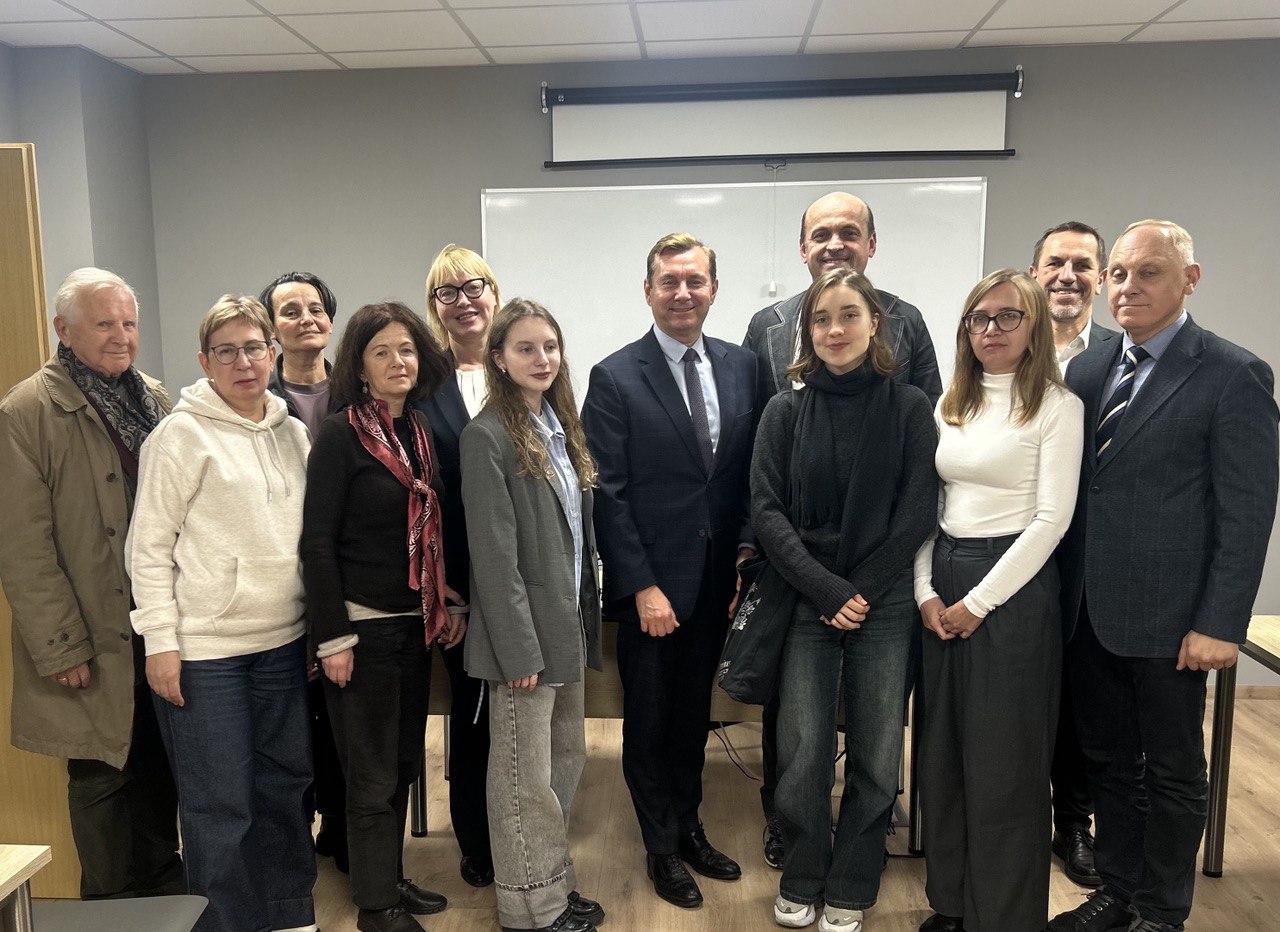
The second part of the seminar featured a meeting with Mr. Rafał Komarewicz, Member of the Sejm of the Republic of Poland. His presentation emphasized the division of powers between central and local authorities, as well as the need to build effective coordination mechanisms across governance levels. The discussion also addressed the politicization of administrative decisions, the influence of lobbying groups, and the risks these factors pose for consistent implementation of public policies.
The seminar became an important component of the joint research project and contributed to deepening the professional dialogue on adapting European experience to strengthen the institutional capacity of public governance in Ukraine.
On 7 November 2025, as part of the study visit within the Polish-Ukrainian project “The Impact of Political System Types on the Quality of Political Institutions: Polish and Ukrainian Experience and Perspectives”, a meeting was held between project participants and a representative of the Office of the Polish Ombudsman (Rzecznik Praw Obywatelskich).
The meeting was attended by researchers from the I. F. Kuras Institute of Political and Ethnic Studies of the National Academy of Sciences of Ukraine – Deputy Director, Doctor of Political Sciences Halyna Zelenko, Senior Researchers Rostyslav Balaban and Nataliia Kononenko, and Senior Researcher Svitlana Sytnyk.
The Office’s representative, Mr. Matej Kruk, briefed the delegation on the key areas of the Polish Ombudsman’s work and emphasized that the institution’s activities focus on ensuring the effective implementation of the rule of law and fundamental human rights and freedoms. Particular attention is paid to the protection of minority rights, access to justice, and monitoring compliance with pre-trial investigation deadlines.
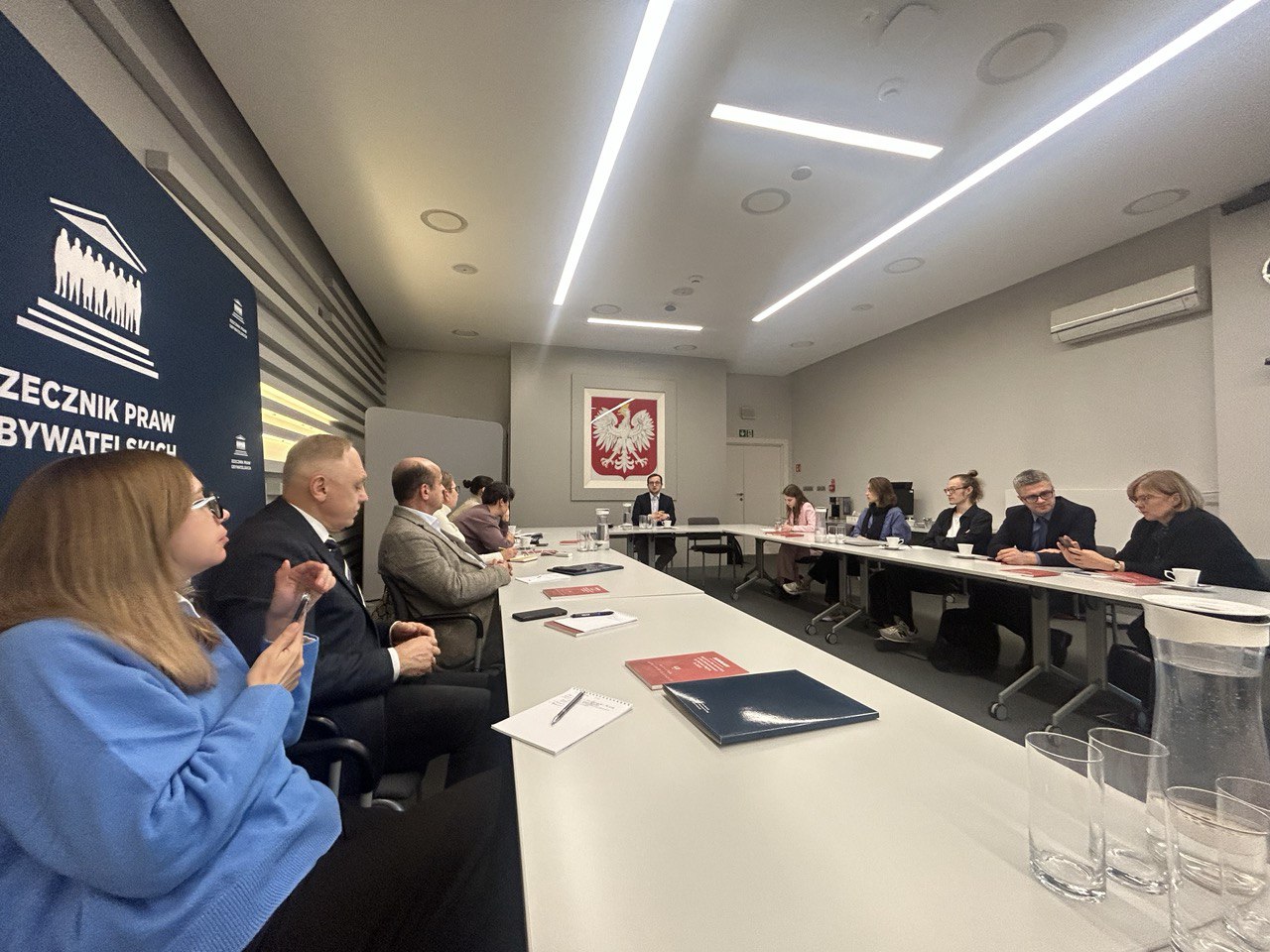
Mr. Kruk highlighted the Ombudsman’s active cooperation with civil society organizations in monitoring and responding to potential human rights violations. An important part of the institution’s work is also overseeing Poland’s compliance with the UN Convention on the Rights of Persons with Disabilities and addressing cases of discrimination based on identity. These obligations are embedded in special legislation adopted after Poland joined the European Union.
During the Q&A session, participants discussed mechanisms for protecting the rights of Ukrainians in Poland, cooperation between the Polish Ombudsman and the European Ombudsman, and the specifics of the institution’s work before and after Poland’s accession to the EU.
The meeting became an important part of the study visit program and contributed to strengthening Polish-Ukrainian academic cooperation in the field of political institution research and human rights protection practices.
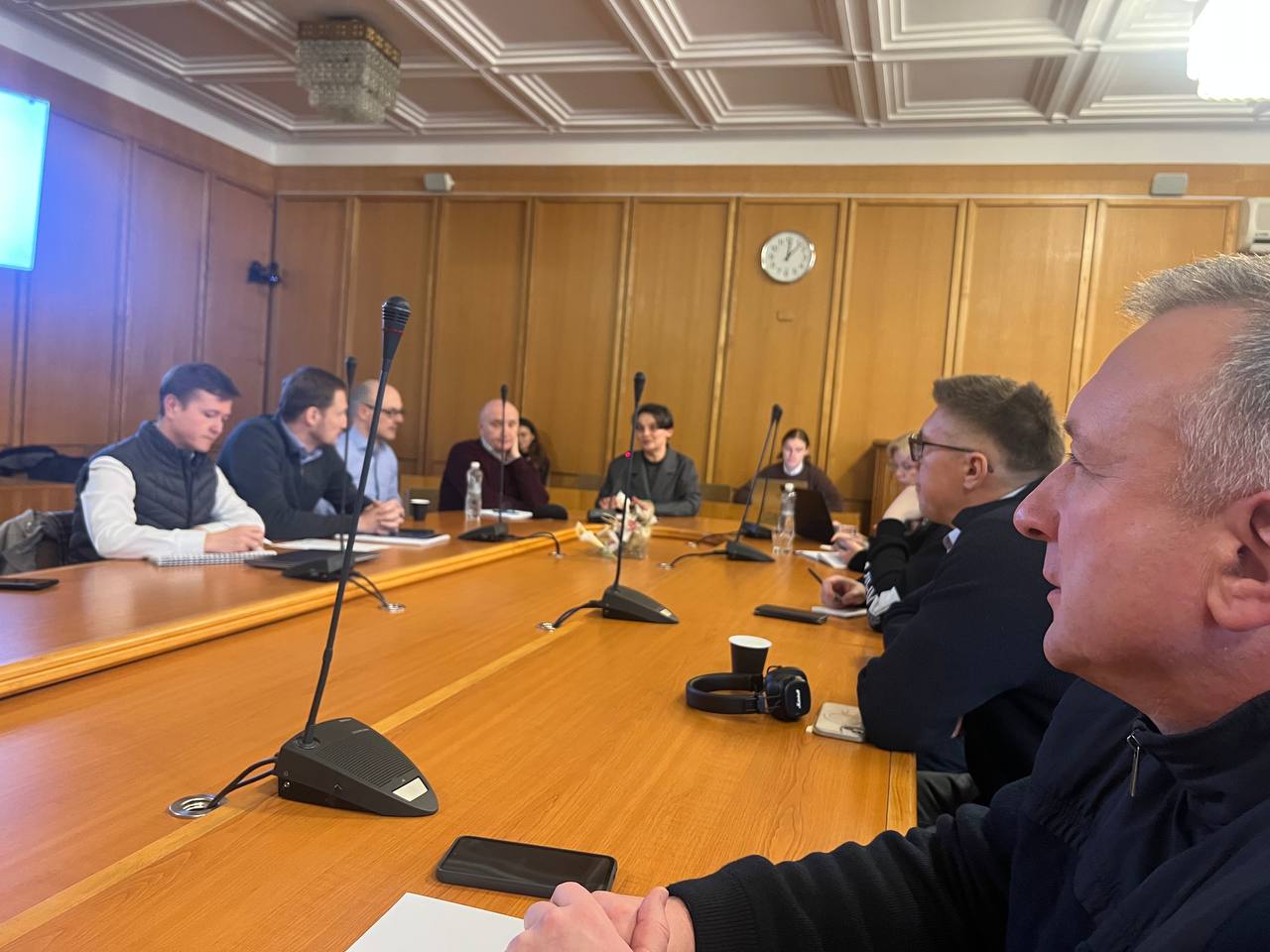
On November 4, 2025, the Kuras Institute of Political and Ethnic Studies of the National Academy of Sciences of Ukraine hosted an expert seminar titled “Transparency and Trust: How to Reform the Civil Service Without Losing Legitimacy.” The event was organized by a number of civil society organizations – the Professional Government Association (PGA), the Reanimation Package of Reforms Coalition (RPR), the Centre of Policy and Legal Reform (CPLR), the Centre for Democracy and Rule of Law (CEDEM), Vox Ukraine, and the Association of Political Sciences of Ukraine (APSU). The seminar served as a platform for professional dialogue among government bodies, the academic community, civil society, and international partners on the renewal of the public service system.
Participants discussed three key directions for future reform: the abolition of lifetime status for politically exposed persons (PEPs), the modernization of financial disclosure, and aligning the remuneration system of civil servants with market standards. Representatives of government institutions – Nataliia Kozlovska (Secretariat of the Cabinet of Ministers of Ukraine), Oleksandr Hladun (NACP), and Kyrylo Klymenko (Accounting Chamber) emphasized the need to coordinate anti-corruption, budgetary, and management decisions within the preparation of the new Public Administration Reform Strategy (2026–2030). They acknowledged that the civil service requires an updated remuneration system, but such changes must go hand in hand with institutional strengthening of the service itself.
Representatives of civil society – Artem Shaipov (PGA), Taras Shevchenko (CEDEM), and Hlib Vyshlinsky (Centre for Economic Strategy, CES) called for avoiding an oversimplified reform through an excessive anti-corruption bias. They stressed that reform should be based on evidence-based policy and take into account public perceptions of fairness. In particular, A. Shaipov called for empirical research on institutional trust, while T. Shevchenko warned about the risks of “anti-corruption maximalism,” which could undermine the motivation of civil servants. Vyshlinsky emphasized that increasing salaries in the public sector is a prerequisite for effective reform, not its consequence.
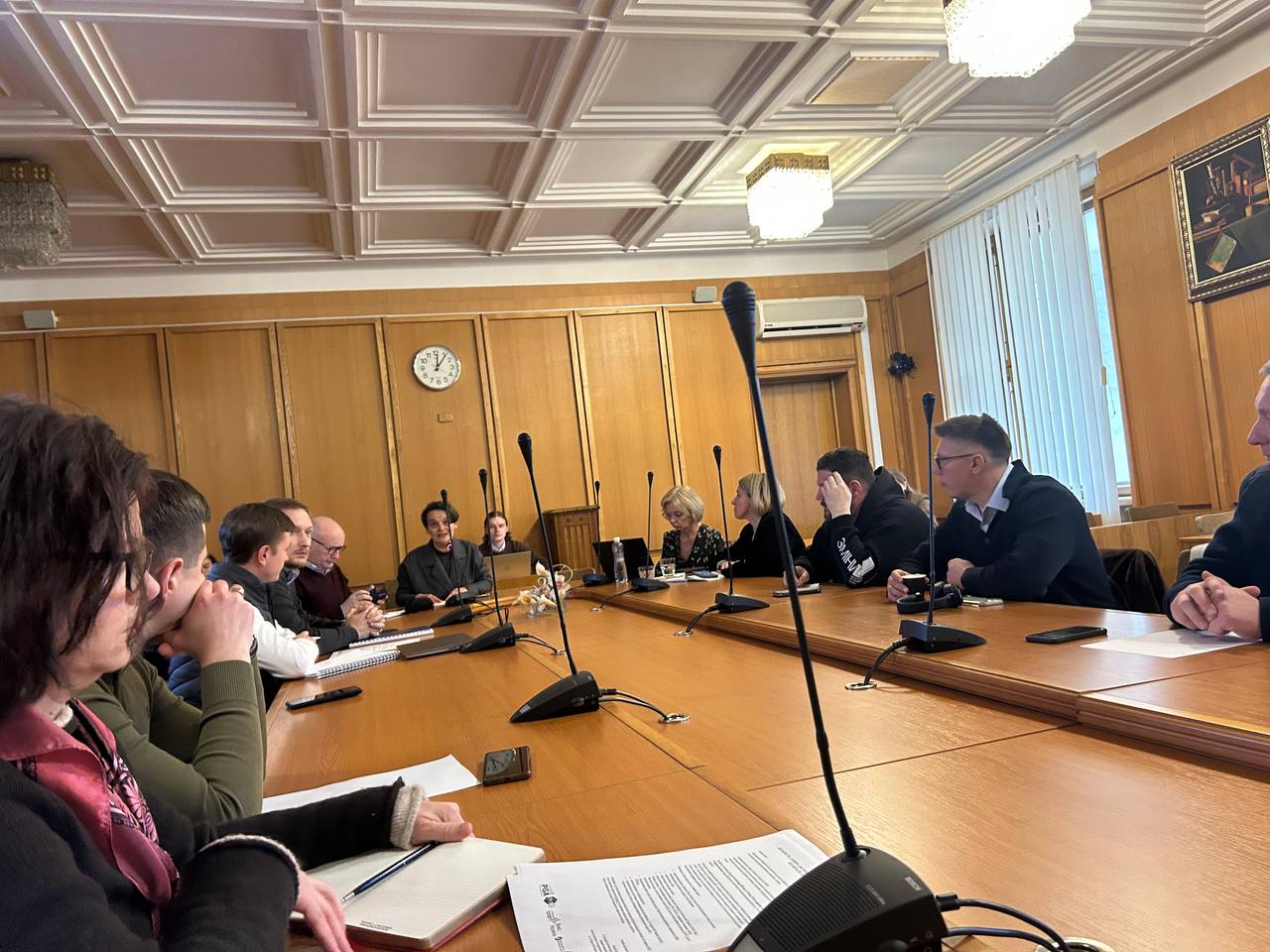
The academic and expert community – Olena Sushyi (Institute of Social and Political Psychology of the National Academy of Educational Sciences of Ukraine), Halyna Zelenko, Svitlana Sytnyk, Nataliia Kononenko, Rostyslav Balaban, and Yurii Nikolaets (Kuras Institute of Political and Ethnic Studies of the NAS of Ukraine; members of the Association of Political Sciences of Ukraine) stressed that the success of reforms is measured by the level of public trust, not only by administrative changes. They highlighted the need to restore political responsibility, open communication with citizens, and institutional consistency in political practices. Liudmyla Yuzhva (NDI) drew attention to the importance of the communication component in building trust in the reform process.
European organizations were represented by Ugis Siksna, head of the EU4PAR project, who emphasized that the EU consistently insists on adhering to the principle of risk orientation and international transparency standards in evaluating the performance of the civil service, as well as maintaining a balance between data openness and the protection of civil servants’ privacy.
The discussion demonstrated that the Ukrainian discourse on civil service reform is gradually moving beyond a technocratic approach and acquiring the features of a value-based search for balance between control, trust, and professionalism. The participants agreed that the renewal of the civil service should be based on transparency, evidence, and political responsibility. A reform that preserves legitimacy must become a public contract of trust between the state, society, and international partners.
On November 7, 2025, within the framework of the project “The Impact of Political System Types on the Quality of Political Institutions: Polish and Ukrainian Experience and Prospects”, staff members of the I. F. Kuras Institute of Political and Ethnic Studies of the National Academy of Sciences of Ukraine visited the Supreme Audit Office of Poland (Najwyższa Izba Kontroli, NIK).
The meeting opened with welcoming remarks by Mariusz Galadyj, President of NIK, who thanked the project leaders for their interest in the work of the organization and emphasized that such exchanges of experience are the most effective form of international cooperation. In his address, he outlined the functions and scope of activities of the Supreme Audit Office of Poland.
The work of this institution, which oversees state budget expenditures by all political process participants, is endowed with broad powers aimed at protecting citizens’ interests, strengthening public trust in state institutions, and promoting effective governance. The findings and recommendations of NIK serve as an important tool for improving state processes in Poland.
Mr. Galadyj also stressed that the Supreme Audit Office of Poland closely studies the achievements of Ukraine’s electronic public procurement system “Prozorro”, noting that this experience is extremely valuable for Poland in the context of further enhancing control and management mechanisms
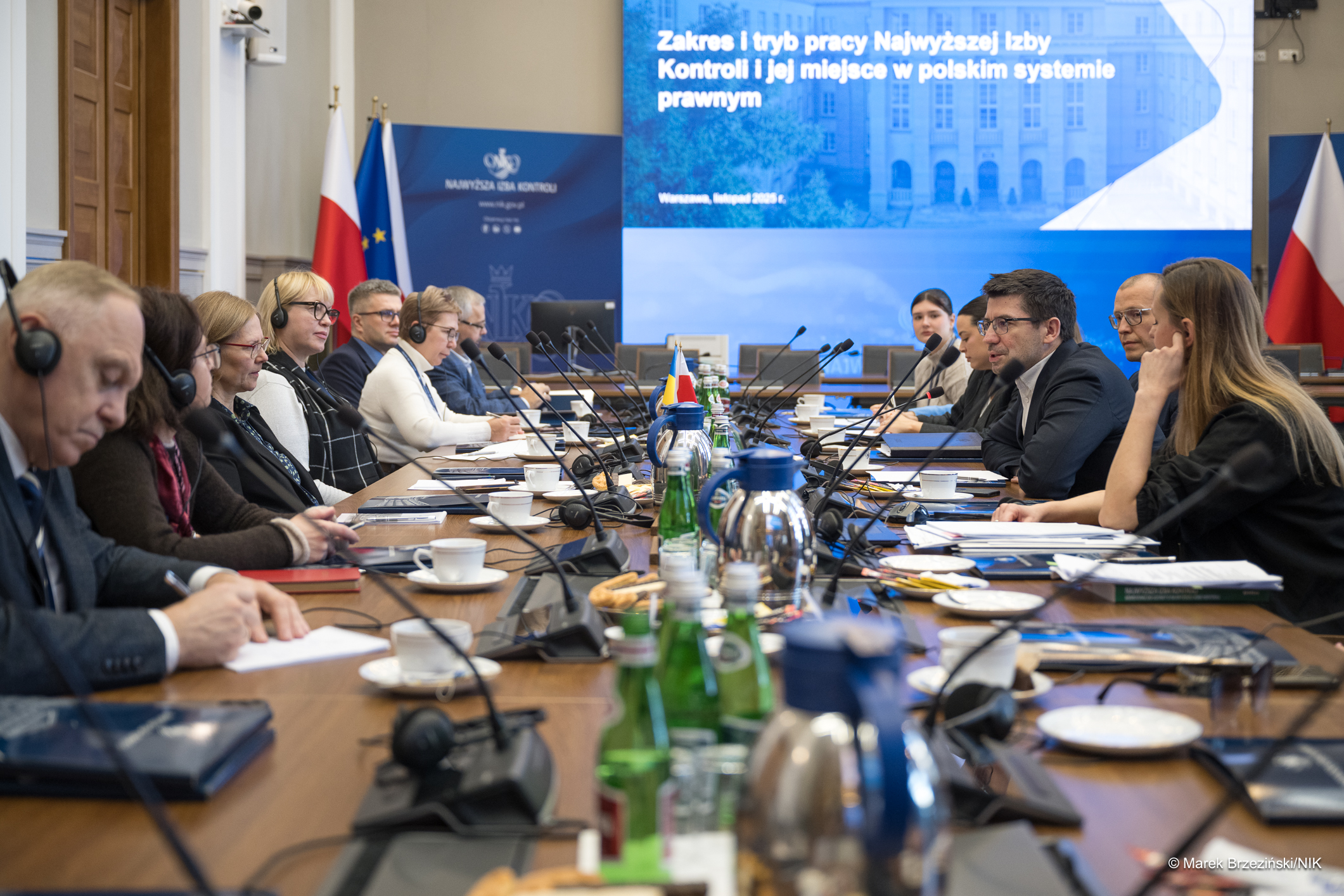
Further details on the functioning of NIK were presented by Anna Libera, Director of the Strategy Department of the Supreme Audit Office of Poland, and Justyna Goszcz, Senior Consultant of the Department of Legal Affairs and Jurisprudence. They explained in detail how NIK’s decisions are implemented and enforced.
The work of the Supreme Audit Office of Poland attracted great interest and became the subject of active discussion among Polish and Ukrainian researchers.
Participants in the discussion included, among others, Professor Agnieszka Dudzińska, Dr. of Political Sciences Halyna Zelenko, PhD in Political Sciences Rostyslav Balaban, PhD in Political Sciences Nataliia Kononenko, PhD in Political Sciences Svitlana Sytnyk, and Dr. Michał Mistygacz.
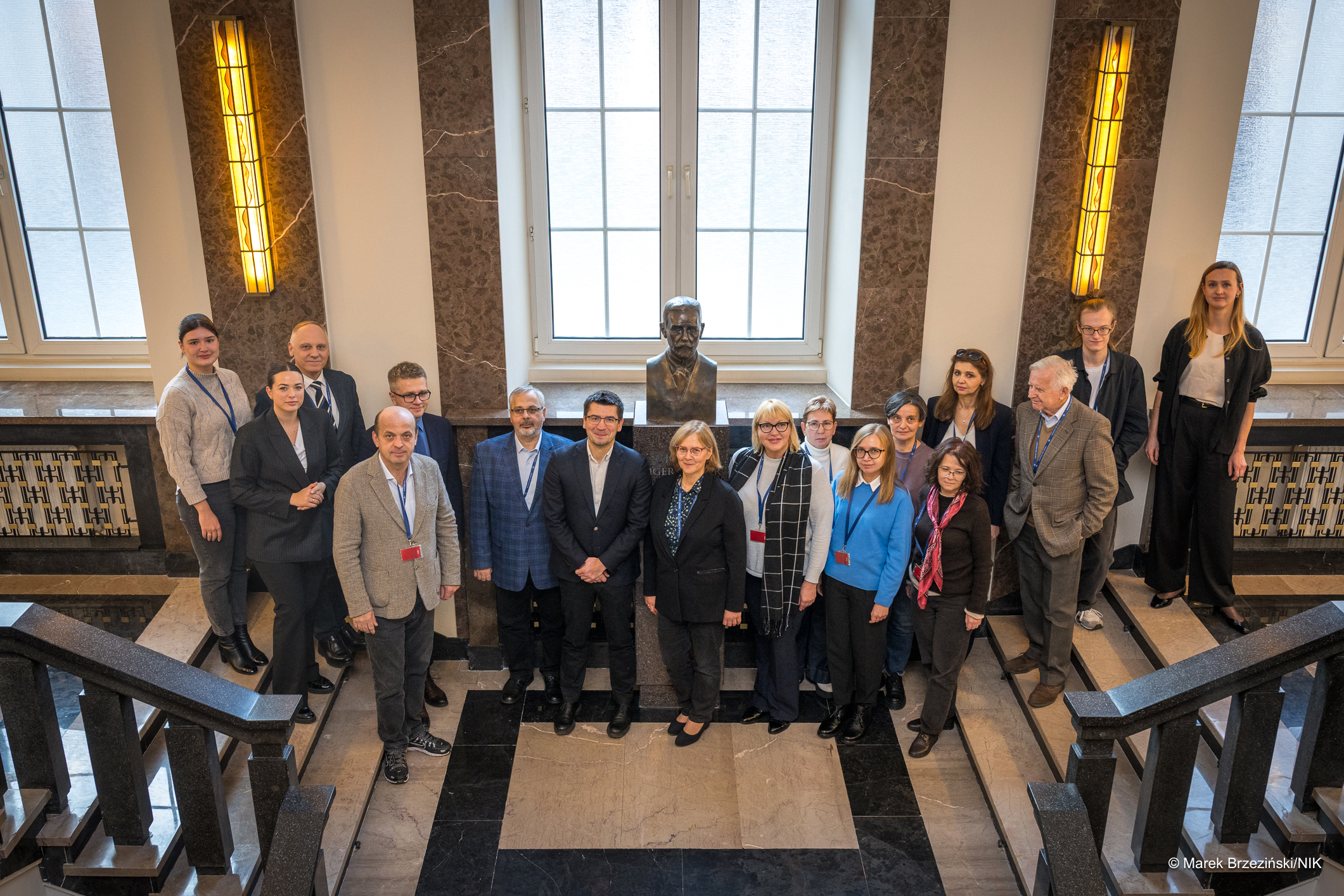
On September 24, 2025, at the University of Warsaw (Republic of Poland), the sixth seminar was held within the framework of the joint Polish–Ukrainian research project “The Impact of Types of Political System on the Quality of Functioning of Political Institutions: Polish and Ukrainian Experience and Prospects.” The event was part of thematic discussions on the impact of the legislative process and laws on political and administrative practice.
At this meeting of Polish and Ukrainian political scientists, legal scholars, and sociologists, the Institute of Political and Ethnic Studies of the National Academy of Sciences of Ukraine was represented by researchers of the Department of Political Institutions and Processes: Dr. Sc. (Political Science) Halyna Zelenko, PhD (Political Science) Rostyslav Balaban, PhD (Political Science) Nataliia Kononenko, and PhD (Political Science) Svitlana Sytnyk.
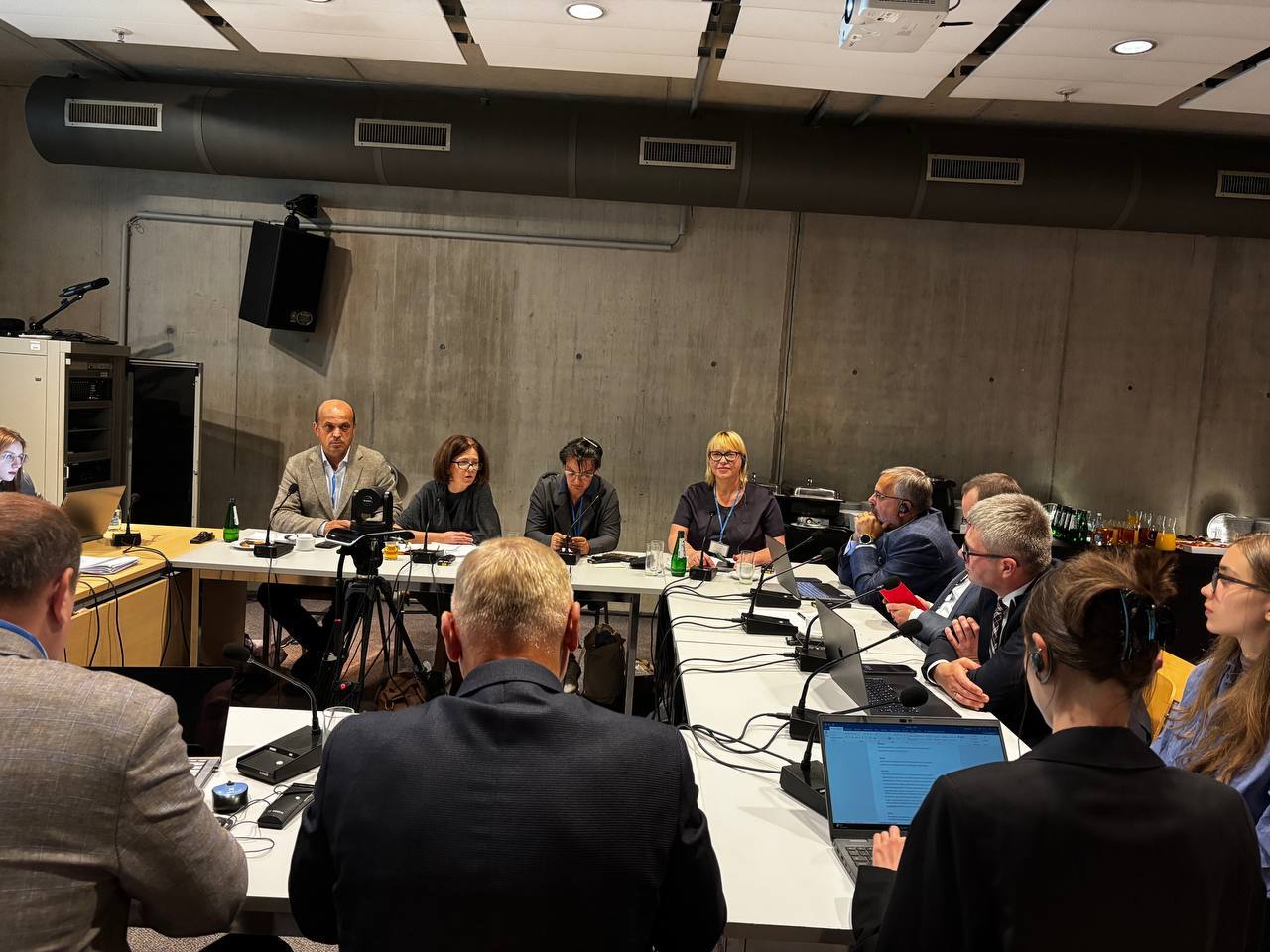
The subject of discussion was the key points of the presentation by Doctor of Law, Professor Ihor Onyshchuk (Vasyl Stefanyk Carpathian University), who in his lecture “The Quality of Legislation: Conceptual Analysis and Evaluation Criteria” focused on the interrelation between the quality of legislation, the specific features of the legislative process, and the level of efficiency of public governance. Also presented were the results of empirical research on the influence of the political system on the legislative process, which were outlined in the lecture “The Specifics of the Legislative Process as Indicators of Institutional Effectiveness” by Dr. hab., Professor of the University of Warsaw Agnieszka Dudzińska.
The discussion on the quality of legislative and regulatory procedures, as well as the effectiveness of the lawmaking process, addressed problems common to both Ukraine and Poland, namely the challenges of democratic practices and the quality of law, which limit the positive societal outcomes of implemented legislation. In examining the shortcomings of institutional mechanisms, the scholars also considered the influence of political culture on the quality of legislation—an issue of particular importance in conditions of cohabitation.
Prof. Dr. hab. Monika Florczak-Wątor outlined current trends actively debated in the Polish academic environment, in particular regarding the use of artificial intelligence for monitoring the quality of legislation, predicting the consequences of its application, and enhancing the quality of lawmaking. While recognizing the advantages offered by AI, scholars also expressed significant concerns.
More detailed information about this meeting is available at the following link:
https://ustrojwdzialaniu.uw.edu.pl/polska-cechy-procesu-legislacyjnego-jako-wskazniki-sprawnosci-instytucjonalnej-ukraina-jakosc-i-skutecznosc-ustawodawstwa-analiza-pojeciowa-i-kryteria-oceny/
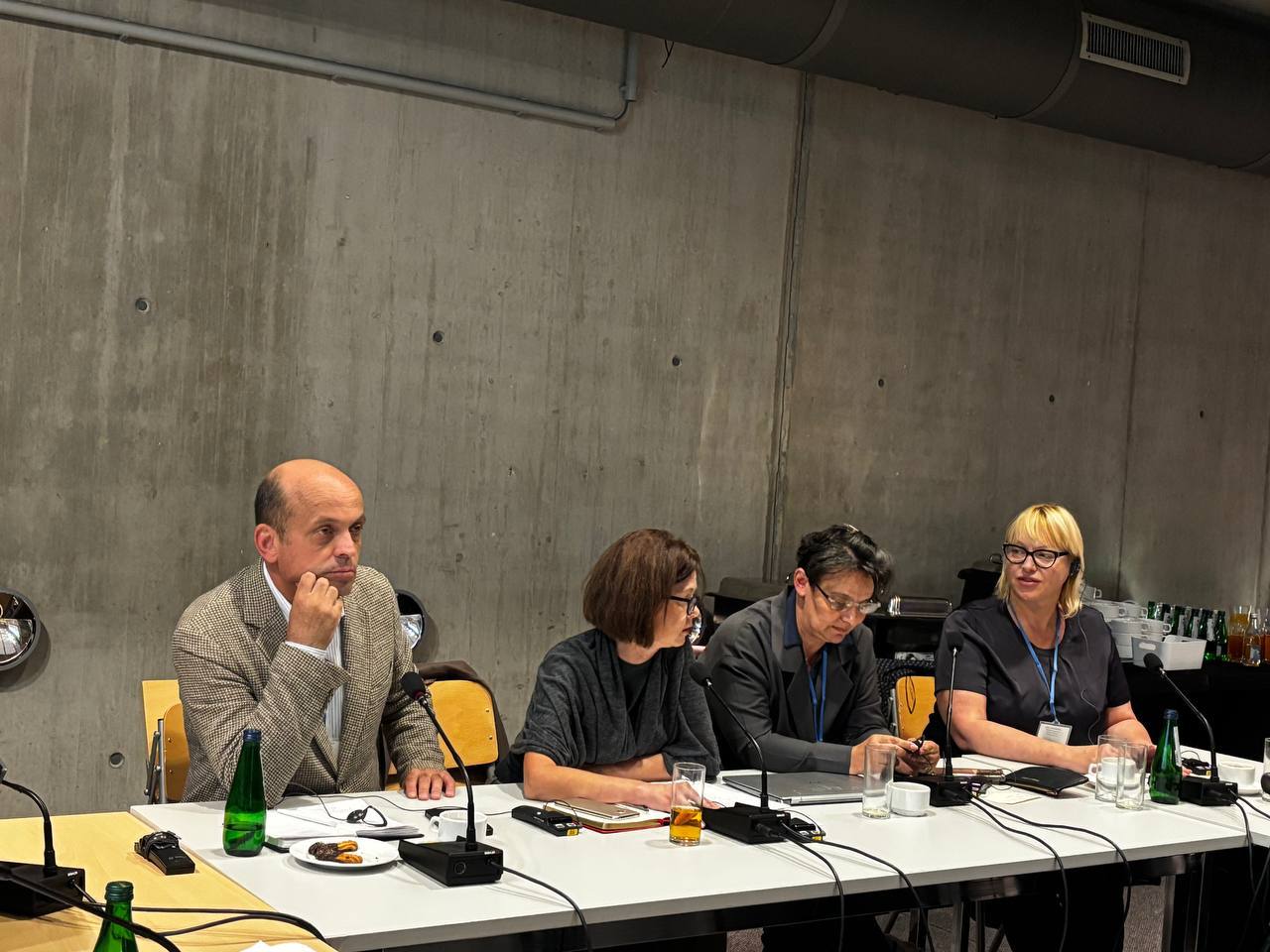
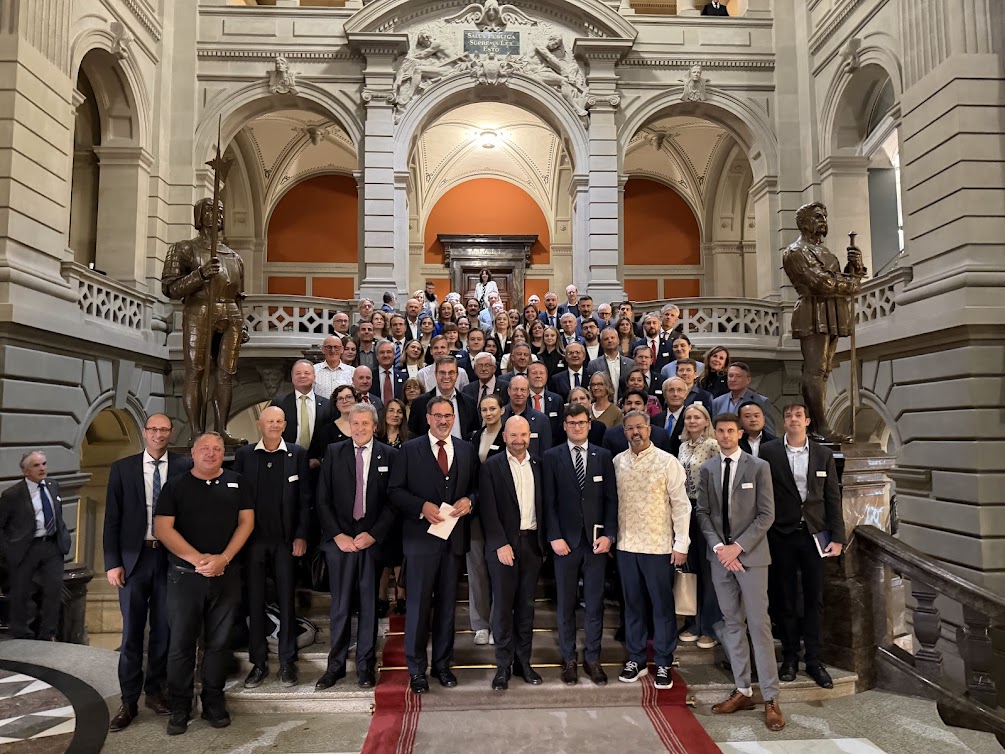
On September 23, Mykola Riabchuk, Principal Research Fellow at the Department of Political Culture and Ideologies, took part in the Ukraine Forum – an expert discussion on current situation in Ukraine, held in Bern in the building of Swiss parliament.
The event, organized by the Ukrainian-Swiss Inter-Parliamentary Friendship Group, Ukrainian Society of Switzerland, and University of Fribourg, summoned a few dozen analysts, policymakers, members of parliament and international ambassadors based in Bern, to openly exchange views, under the Chatham House rules, on the state and prospects of Ukraine-Switzerland cooperation and major obstacles to its further development.
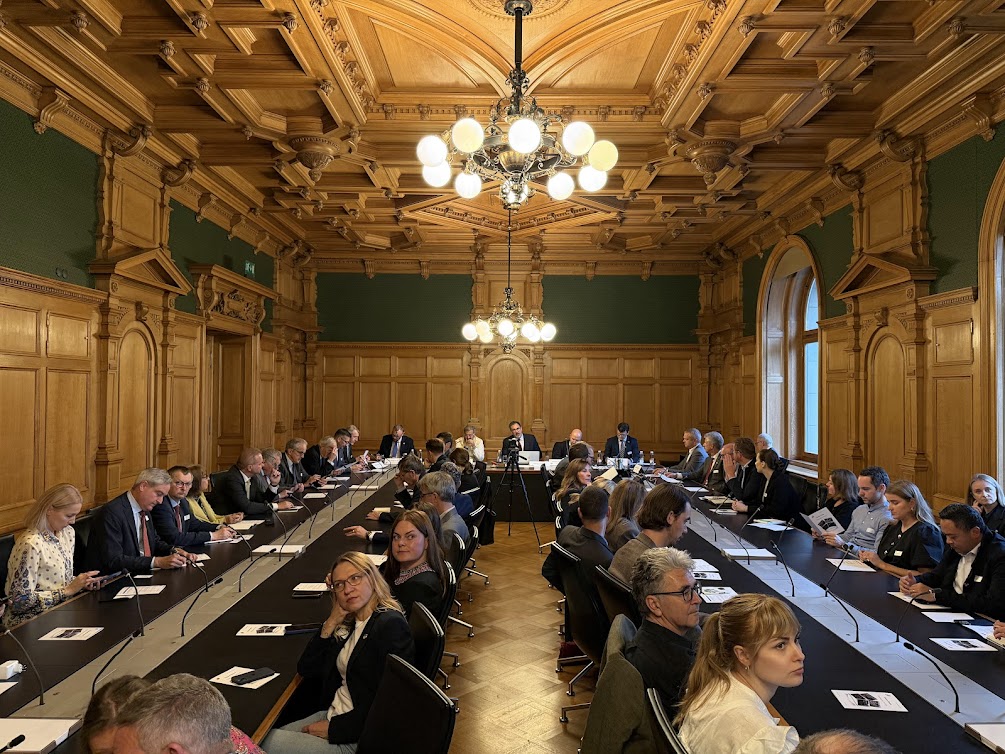
In his introductory speech, Dr. Riabchuk explained the existential character of the war for Ukrainians under the Russian overtly genocidal intentions, pointed out at virtual impossibility to reach any viable peace agreement with Russia insofar as that country never observed any agreements, and warned against mindless acceptance of Russian explanatory frameworks and terminology that obscure than clarify the essence of the developments. The major debate, however, focused on the hot issue of much-needed re-export of Swiss weapon to Ukraine – something that is arguably precluded by the Swiss neutral status, although no formal restriction on this does exist.
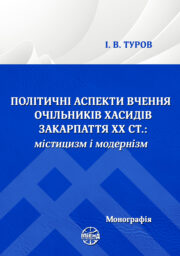
On the Institute’s website (in the “Our Publications” section), is available the electronic version of the monograph “Ukraine 1917-1920: Eventual and Historiographical Contexts”.
The proposed book attempts to focus attention on the most important, complex, and controversial moments of the experience of the revolutionary years (1917–1920) in Ukraine. For more than a century, discussions have not subsided around them, which do not always end with an understanding of the true meanings of what happened, an awareness of the essence of what happened, an indisputable approximation to the truth. Therefore, the historical aspects and plots selected for reproduction, interpretation, and evaluation are studied in close connection with the development of historiographical trends and scientific developments of different times.
On the Institute’s website (in the “Our Publications” section), is available the electronic version of the monograph “Government and civil society in the countries of the world: experience of interaction”.
The book contains an analysis of examples of interaction between state authorities and civil society organizations in different regions of the world – in the countries of the post-Soviet space, Central Eastern and Western Europe, Southeast Asia, and the African continent.
The relationship between the nature of the political regime and the nature of its relations with civil society is revealed, and the growth of the influence of public organizations on political governance and on the solution of urgent social problems is traced.
The content of the book illustrates the ability of civil society in democratic conditions to be one of the influential actors of public life and a noticeable factor of influence on political development.
On the Institute’s website (in the “Our Publications” section), is available the electronic version of the monograph “Government and civil society in the countries of the world: experience of interaction”.
The book contains an analysis of examples of interaction between state authorities and civil society organizations in different regions of the world – in the countries of the post-Soviet space, Central Eastern and Western Europe, Southeast Asia, and the African continent.
The relationship between the nature of the political regime and the nature of its relations with civil society is revealed, and the growth of the influence of public organizations on political governance and on the solution of urgent social problems is traced.
The content of the book illustrates the ability of civil society in democratic conditions to be one of the influential actors of public life and a noticeable factor of influence on political development.
On the Institute’s website (in the “Our Publications” section), is available the electronic version of the monograph “Modern European Policy on the Protection and Development of Jewish Life“.
The monograph contains the results of the author’s research on the European Union’s (EU) policy regarding the “Jewish question”, as well as the characteristics of contemporary Jewish communities in Europe. It analyzes current issues related to the development and implementation of the EU Strategy on combating antisemitism and fostering Jewish life (2021–2030)
From July 12 to 16, 2025, the 28th World Congress of the International Political Science Association (IPSA) was held in Seoul, the capital of South Korea — one of the key events in global academic life. The Congress took place at the Coex Convention & Exhibition Center, one of the largest and most advanced venues in Asia, in cooperation with the Korean Political Science Association (KPSA). It was the second time Seoul hosted the IPSA World Congress — the first occasion being in 1997.
The main theme of the 28th Congress was “Resisting Autocratization in Polarized Societies”. This topic is particularly timely, as even well-established democracies are facing the threat of authoritarian regression — from both political elites and increasingly disillusioned citizens.

Key areas of discussion included: the erosion of democratic institutions, populism and authoritarian rhetoric in electoral politics, the undermining of human rights and civil liberties, political polarization among both elites and citizens, disinformation, “post-truth” narratives, and the political use of digital technologies. Authoritarianism cloaked in the rhetoric of public safety, migration crises, or climate challenges also came under scrutiny.
Despite these challenges, the Congress emphasized the importance of an active civil society, independent judiciaries, and responsible opposition parties as critical safeguards against authoritarian drift. A strong emphasis was placed on international democratic solidarity, the role of regional organizations, and global cooperation. The program also underscored the need for in-depth analysis of the reasons behind the appeal of authoritarianism for certain segments of the population, as well as the significance of the transnational dimension of contemporary politics — including the impact of new regional orders, digital transformations, and migration policies on the state of democracy.

The Ukrainian Political Science Association (UPSA) — the only official collective IPSA member from Ukraine — participated in the 2025 Congress. UPSA was represented by Galyna Zelenko, Deputy Director for Research at the Institute of Political and Ethnic Studies, and First Vice President of UPSA. She took part in a series of meetings of the IPSA Council, the Association’s highest governing body responsible for making strategic decisions. Ukraine has been represented in this body for several years by Academician of the National Academy of Sciences of Ukraine, Oleh Rafalskyi, President of UPSA and Director of the I.F. Kuras Institute of Political and Ethnic Studies.
During the Council’s session, a new Executive Committee of IPSA was approved for the 2025–2027 term. Professor Yuko Kasuya of Keio University, Tokyo, was elected as the new President of IPSA.
The opening ceremony was attended by the President of the Republic of Korea, Yoon Suk-yeol. The closing ceremony featured the Speaker of the National Assembly, Woo Won-shik.

The 2025 IPSA World Congress in Seoul was not only a platform for the exchange of ideas among approximately 3,400 political scientists from around the world, but also a powerful statement of shared responsibility within the discipline for safeguarding democracy as a universal value. For Ukraine, participation in the Congress was a strategic opportunity to act not only as a subject of academic study but also as an active contributor to global political science.

On the Institute’s website (in the “Our Publications” section), the electronic version of the monograph “Russian-Ukrainian War and Nationalisation of Religious Symbolic Space: Contextualisation, Problematization, Interpretation”.
Conflicts surrounding unique religious monuments and sites of national historical significance — the Kyiv Pechersk, Pochayiv, and Svyatohirsk Lavras, the mirage of the Desyatynna Church, among others — illustrate Russia’s policy of keeping Ukraine within the orbit of its neo-imperial interests (“Russian World”). This is achieved through the abuse of religion and the instrumentalization of the Ukrainian Orthodox Church (Moscow Patriarchate), with the aim of obstructing de-Russification and, consequently, the nationalization/Ukrainization of Ukraine’s symbolic sacred historical and cultural space — a space in which the symbolic becomes inherently political.
The political misuse of religion under the guise of protecting ethnic minority rights is also evident in the case of the Romanian Orthodox Church, which seeks to restore its former jurisdiction over Ukrainian territories in the border regions of Bukovyna and Bessarabia.
The essays of this collected volume analyze Ukrainian political development crises as components of a larger modernization crisis syndrome. In particular, the papers deal with crises of identity, legitimacy, penetration, distribution, and participation as well as with their interaction with each other. This approach provides a deeper understanding of the nature of political crises in Ukraine and their impact on democratization.
The neo-institutional approach underlying this study allows for an examination of political development crises as systemic and permanent phenomena. The authors identify causes of each type of political development crisis, characterize their specific features in Ukraine, and forecast their further evolution. Readers thereby gain an analytical toolkit for assessing crisis phenomena and potential ways to mitigate them.
The book is available for pre-order at the following link: cup.columbia.edu/book/crises-of-political-development-in-ukraine/9783838220277/
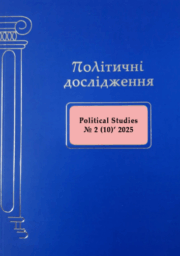
Scientific journal «POLITICAL STUDIES»
Новини
Оголошення

